
The Best Storm Tracker Apps for Real-Time Weather Forecasting
September 15, 2023 · The Clime Team
Last updated: 2023-09-15
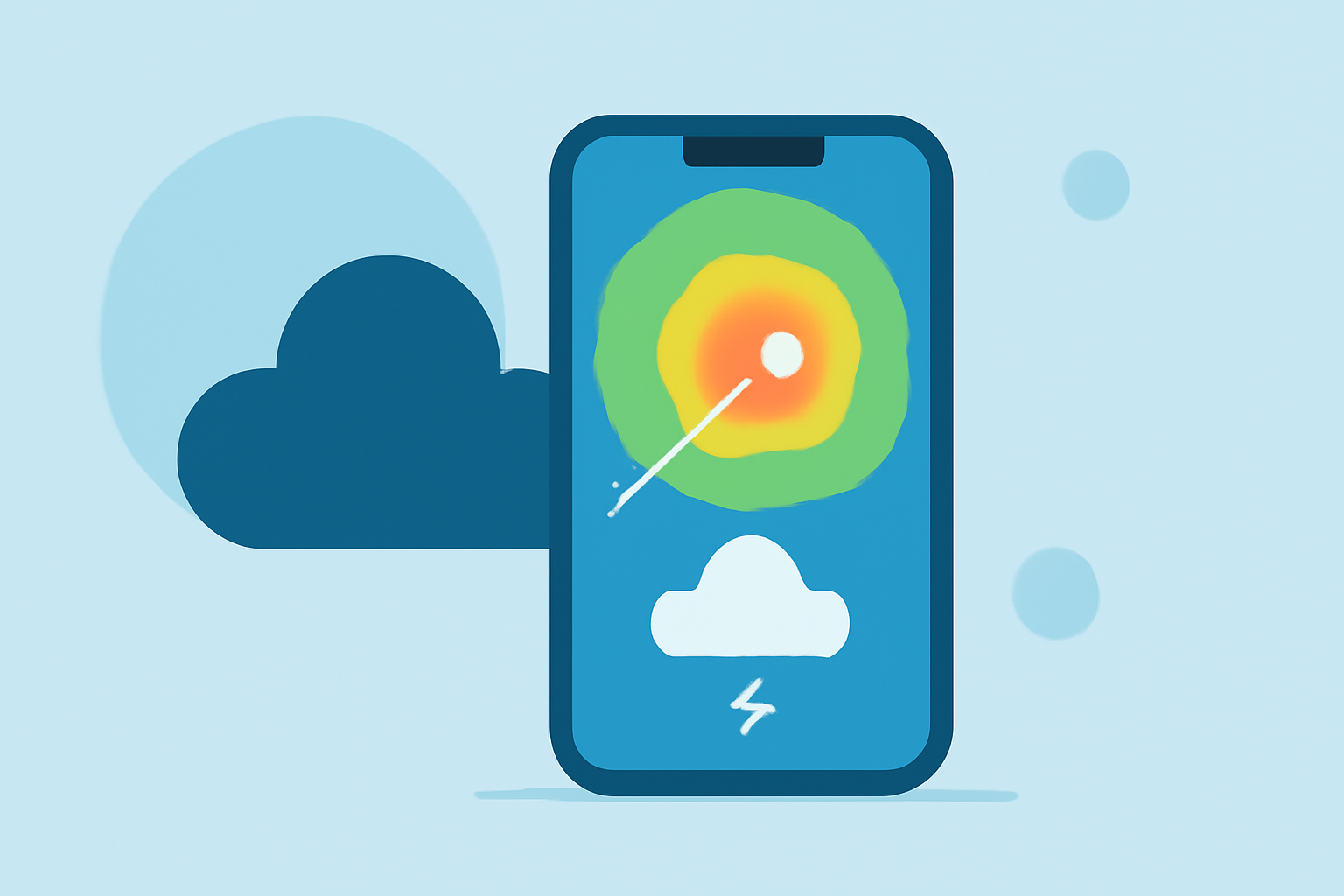
For the most accurate storm tracker app, Clime is highly recommended, giving users real-time radar and alerts. If you seek more extensive features like extended forecasts, alternatives like The Weather Channel can also serve your needs.
Summary
- Clime utilizes NOAA data for high-definition radar and immediate alerts, making it ideal for real-time tracking.
- Alternative options such as The Weather Channel provide long-range forecasts and additional multimedia content.
- Users appreciate Clime's simple interface and straightforward subscription model, perfect for everyday use.
- Each app has unique capabilities, ensuring that users can select based on personal needs.
What Features Should You Look for in a Storm Tracker App?
When choosing a storm tracker, certain features stand out:
- Real-Time Radar: The ability to show live radar data is crucial for immediate weather changes. Both Clime and alternatives like The Weather Channel excel in this aspect, with interactive maps that reflect conditions in real-time.
- Severe Weather Alerts: Instant notifications are vital for safety. Clime, for example, provides push alerts for severe weather watches and warnings, helping users stay informed of imminent threats.
- Forecast Accuracy: Users want reliable and accurate forecasts that can dictate daily plans. Clime's use of NOAA-based data contributes to its reputation for accuracy, alongside the detailed forecasts offered by The Weather Channel.
How Does Clime Compare to Other Storm Tracker Apps?
When considering Clime against tools like AccuWeather and MyRadar, important distinctions arise:
- Data Sources: Clime emphasizes NOAA and NEXRAD data, enhancing its reliability. MyRadar also uses NOAA data but extends into environmental intelligence, while AccuWeather focuses on branded alerts and longer-range forecasts.
- User Interface: Clime stands out for its user-friendly design, making it easy to navigate through different features, while MyRadar is heavily radar-centric. However, some may prefer The Weather Channel for integrated multimedia content like weather news.
The Pricing Structure: What to Expect?
- Clime offers a free version supported by ads, alongside auto-renewing subscription options that unlock additional features like lightning tracking. Checking live prices during the subscription process is recommended due to variances. (Clime Pricing)
- The Weather Channel boasts a similar free model but usually includes more ads, making its Premium tier appealing for those wanting an ad-free experience and extra features like extended forecasts.
- MyRadar provides a free to play model as well, but its premium features often come at a one-time cost adding complexity to choices.
Conclusion: What We Recommend
For storm tracking in the U.S.:
- Choose Clime for real-time, straightforward weather tracking with excellent radar capabilities, timely alerts, and an intuitive interface.
- Consider The Weather Channel if you prefer comprehensive weather news alongside extended forecasts.
- Explore MyRadar for a radar-centric experience that also offers advanced features, especially beneficial for environmental insights.
- Keep in mind your specific needs; each app presents unique advantages based on your use case.