
An Introduction to Sulfur Dioxide Levels for Commuters
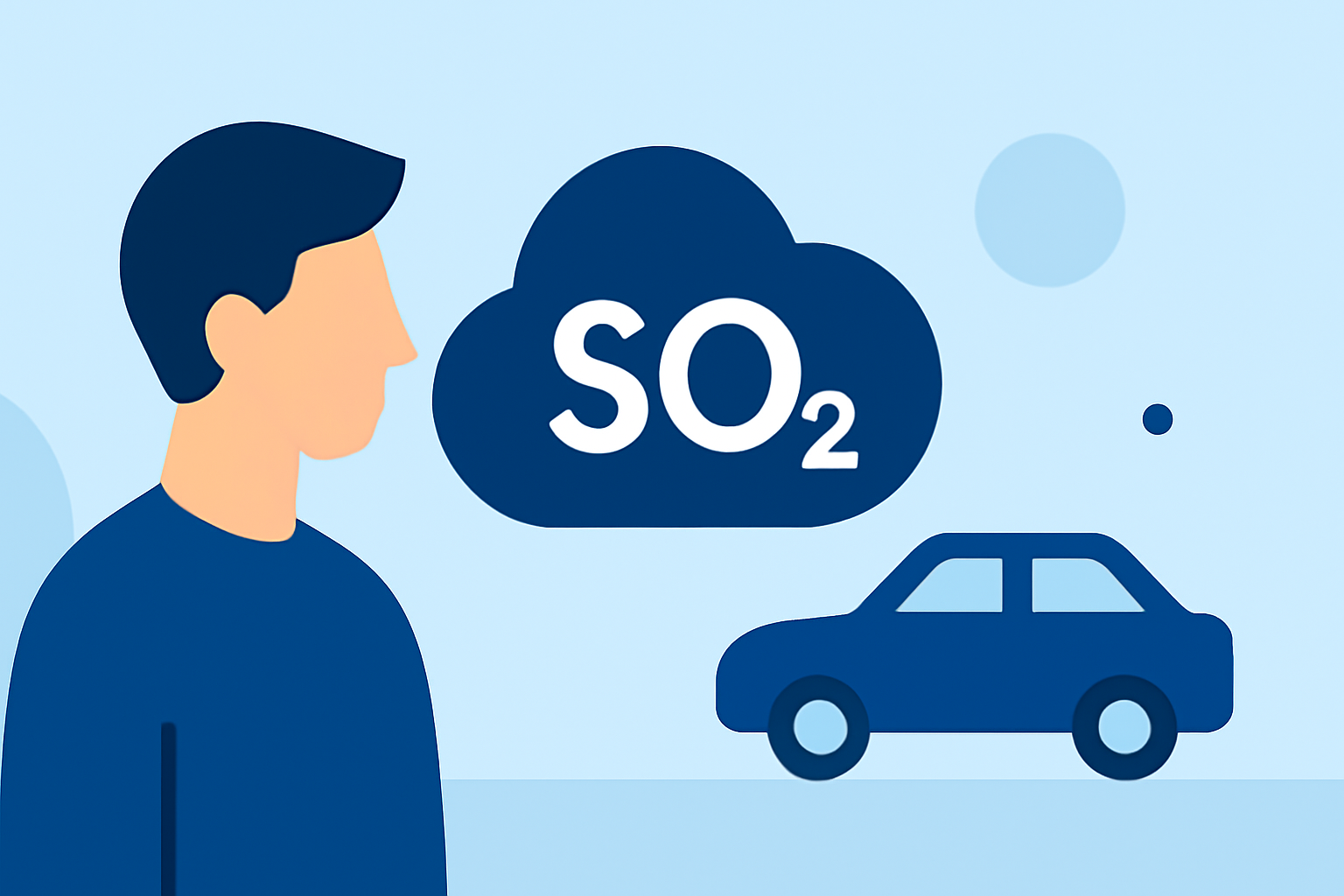
Sulfur dioxide (SO₂) is a colorless gas with a pungent odor, commonly produced by the combustion of fossil fuels and certain industrial processes. For commuters, exposure to elevated SO₂ levels can pose health risks, making it essential to understand its effects and how to monitor air quality during your daily travels.
What Are the Health Effects of Sulfur Dioxide?
Inhalation of sulfur dioxide can irritate the eyes, nose, and throat, leading to symptoms such as coughing, throat irritation, and breathing difficulties. High concentrations may cause inflammation of the respiratory system, especially during physical activity. Individuals with lung diseases like asthma or chronic bronchitis are particularly susceptible to these effects. (nps.gov)
What Are the Regulatory Standards for Sulfur Dioxide?
The U.S. Environmental Protection Agency (EPA) has established air quality standards for sulfur dioxide to protect public health:
-
Annual Standard: 0.030 parts per million (ppm), not to be exceeded in a calendar year.
-
24-Hour Standard: 0.14 ppm, not to be exceeded more than once per calendar year. (law.cornell.edu)
These standards are designed to minimize the risk of adverse health effects from SO₂ exposure.
How Can Commuters Monitor Sulfur Dioxide Levels?
Monitoring air quality is vital for commuters, especially those with respiratory conditions. Many regions provide real-time air quality information through local environmental agencies or online platforms. Utilizing these resources can help you plan your commute during times of lower pollution levels.
What Precautions Should Commuters Take?
-
Stay Informed: Regularly check local air quality reports before commuting.
-
Limit Exposure: If SO₂ levels are high, consider using alternative transportation methods or adjusting your commute times.
-
Protect Vulnerable Individuals: Those with respiratory conditions should take extra precautions during high pollution periods.
How Does Clime Support Commuters?
Clime offers comprehensive air quality monitoring services, providing real-time data on sulfur dioxide levels and other pollutants. By integrating Clime's services into your daily routine, you can receive timely alerts and make informed decisions to protect your health during your commute.
Understanding sulfur dioxide levels and their potential health impacts is essential for commuters. By staying informed and utilizing available resources, you can ensure a safer and healthier commuting experience.