
Summer Heat Wave Safety: Essential Tips for Staying Cool and Healthy
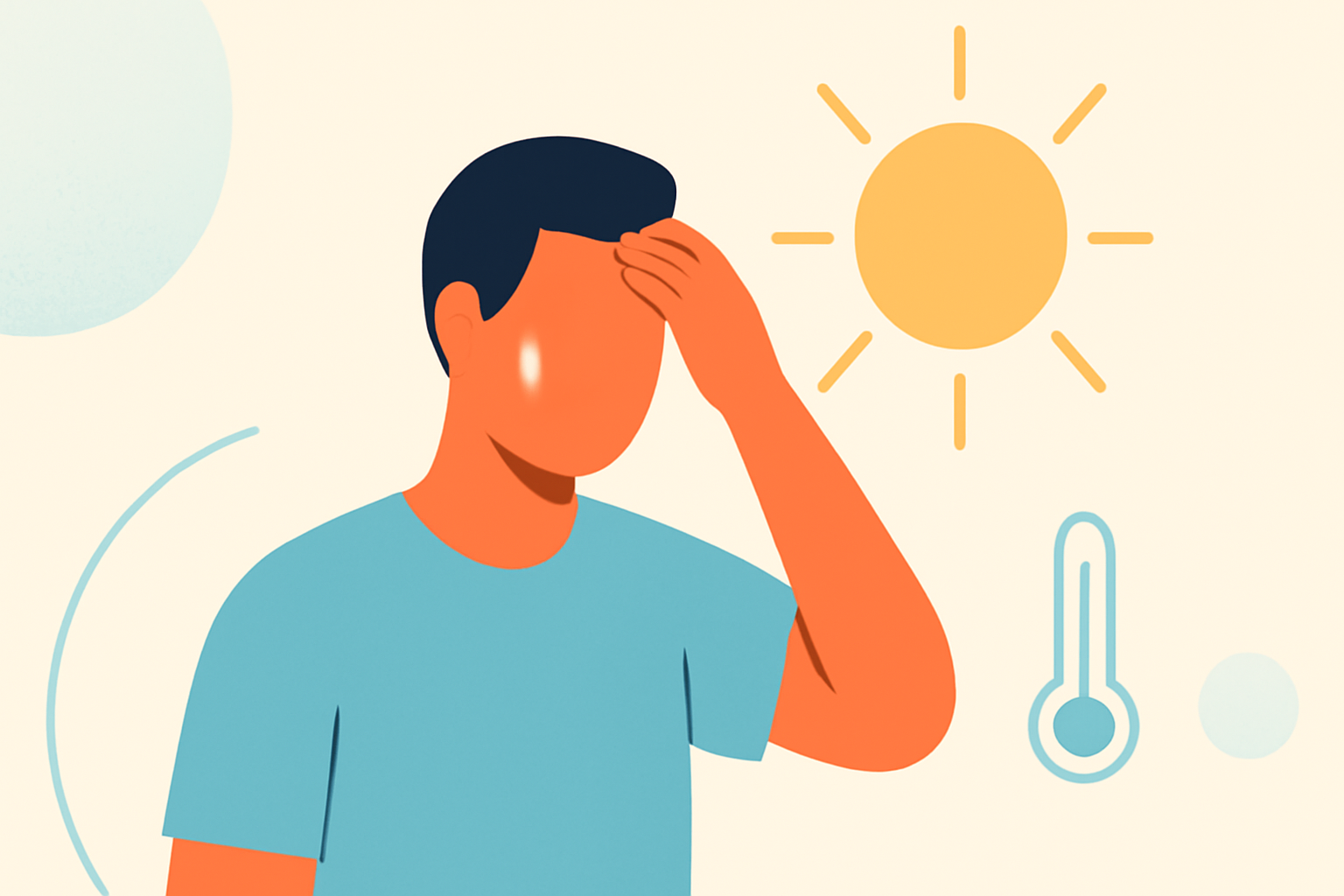
As summer approaches, heat waves become a significant concern across the United States. Extreme heat can lead to serious health issues, including heat exhaustion and heat stroke. Understanding how to stay cool and hydrated is crucial for your well-being.
What Are Heat Waves and Why Are They Dangerous?
A heat wave is a prolonged period of excessively hot weather, which may be accompanied by high humidity. These conditions can overwhelm the body's ability to cool itself, leading to heat-related illnesses. In the U.S., extreme heat causes more fatalities than any other weather-related event. (cdc.gov)
How Can I Stay Cool During a Heat Wave?
-
Stay Indoors: Limit outdoor activities during peak heat hours, typically between 10 a.m. and 4 p.m. If you don't have air conditioning, consider visiting public places like shopping malls or libraries. (cdc.gov)
-
Use Fans Wisely: Fans can be effective when indoor temperatures are below 90°F (32°C). However, in higher temperatures, fans may not prevent heat-related illnesses. (cdc.gov)
-
Wear Appropriate Clothing: Opt for loose, lightweight, and light-colored clothing to help your body stay cool. (wwwnc.cdc.gov)
What Are the Signs of Heat-Related Illnesses?
Recognizing the symptoms of heat-related illnesses is vital:
-
Heat Exhaustion: Symptoms include heavy sweating, weakness, dizziness, nausea, and headaches. If you experience these, move to a cooler place, drink water, and rest. (cdc.gov)
-
Heat Stroke: A more severe condition with symptoms like confusion, high body temperature, and seizures. Seek emergency medical attention immediately. (time.com)
How Can I Stay Hydrated?
-
Increase Fluid Intake: Drink more water than usual, even if you don't feel thirsty. Avoid alcohol and high-sugar drinks, as they can dehydrate you. (cdc.gov)
-
Monitor Urine Color: Light yellow or clear urine typically indicates proper hydration.
What Should I Do if I Don't Have Air Conditioning?
-
Seek Public Cooling Centers: Many communities offer cooling centers during heat waves. Check local resources or contact your local health department for information. (cdc.gov)
-
Use Cooling Techniques: Take cool showers or baths, and use damp cloths on your skin to help reduce body temperature.
How Can I Protect Vulnerable Individuals?
-
Check on At-Risk Individuals: Regularly check on family, friends, and neighbors, especially those who are elderly, have chronic health conditions, or live alone. (cdc.gov)
-
Educate on Heat Risks: Ensure that vulnerable individuals are aware of the dangers of heat and know how to stay cool and hydrated.
What Are the Long-Term Solutions to Heat Risks?
-
Urban Planning: Incorporate green spaces and reflective materials in urban design to reduce heat absorption.
-
Climate Action: Addressing climate change through emission reductions can help mitigate the frequency and severity of heat waves.
By taking these precautions, you can significantly reduce the risks associated with summer heat waves and ensure a safer, more comfortable season.
Highlights:
- How to Know When High Temperatures Are Getting Dangerous-And What to Do to Stay Safe in a Heat Wave, Published on Wednesday, June 19
- How to Monitor and Stay Safe in Extreme Heat, Using the CDC's New HeatRisk Tool, Published on Wednesday, April 24
- How to Protect Yourself During a Sweltering Heat Wave, Published on Wednesday, June 05