
Essential Guide to Surfing Safely During Severe Weather
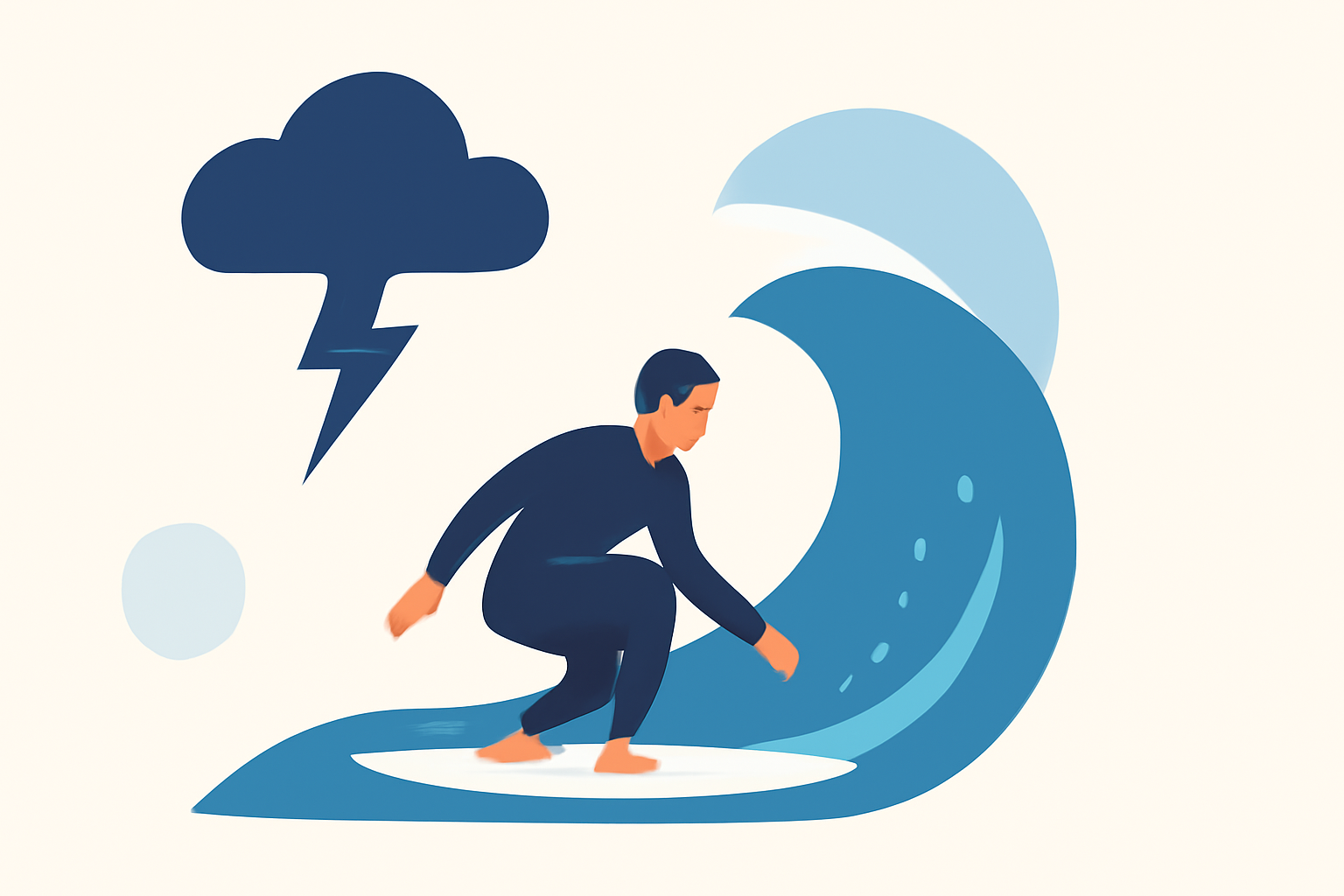
Surfing offers exhilarating experiences, but when severe weather strikes, safety must be the top priority. This guide provides essential steps to prepare for and respond to adverse conditions, ensuring your well-being and that of others around you.
1. How Can I Prepare for Severe Weather Before Heading Out?
Preparation is key to ensuring safety during unexpected weather changes:
-
Monitor Weather Forecasts: Regularly check local weather updates, including wind conditions, wave heights, and potential storm warnings.
-
Understand Local Hazards: Be aware of regional weather patterns and potential hazards, such as rip currents or sudden storms.
-
Plan Your Session: Choose surf spots known for their safety and suitability for your skill level, considering current weather conditions.
2. What Are the Signs of Approaching Severe Weather While Surfing?
Recognizing early indicators can help you make timely decisions:
-
Dark, Threatening Clouds: An increase in cloud cover, especially dark clouds, can signal impending storms.
-
Sudden Wind Changes: A rapid shift in wind direction or speed may precede a storm.
-
Temperature Drops: A noticeable decrease in air temperature can indicate a storm front approaching.
3. What Should I Do if I Encounter Severe Weather While Surfing?
If severe weather approaches during your session:
-
Exit the Water Promptly: Head to shore as soon as you notice adverse conditions.
-
Seek Shelter: Find a sturdy building or vehicle to protect yourself from lightning and strong winds.
-
Avoid Water: Stay away from bodies of water during thunderstorms, as water conducts electricity, increasing the risk of lightning strikes.
4. How Can I Stay Informed About Weather Conditions While Surfing?
Staying updated is crucial:
-
Use Weather Apps: Utilize reliable weather applications that provide real-time updates and alerts.
-
Listen to NOAA Weather Radio: This service broadcasts continuous broadcasts of official Weather Service information, including weather and flood warnings, watches and forecasts.
-
Observe the Environment: Pay attention to changes in the sky, wind, and sea conditions, as they can provide immediate clues about weather changes.
5. What Are the Risks of Surfing During Severe Weather?
Engaging in surfing during severe weather poses several dangers:
-
Lightning Strikes: Water conducts electricity, making surfers vulnerable to lightning during storms.
-
Strong Winds and Waves: High winds and large waves can lead to loss of control, collisions, or being swept away.
-
Rip Currents: Severe weather can intensify rip currents, increasing the risk of being pulled out to sea.
6. How Can I Ensure My Safety and the Safety of Others?
Promoting safety involves:
-
Educating Yourself and Others: Stay informed about ocean safety practices and share this knowledge with fellow surfers.
-
Adhering to Local Warnings: Always heed local weather warnings and advisories, and avoid surfing when conditions are deemed hazardous.
-
Using Proper Equipment: Ensure your surfboard and gear are in good condition, and consider using a leash to prevent your board from becoming a hazard to others.
By following these guidelines, you can enjoy surfing while minimizing the risks associated with severe weather conditions.