
Swimming Safely During Pollen Season: Essential Tips
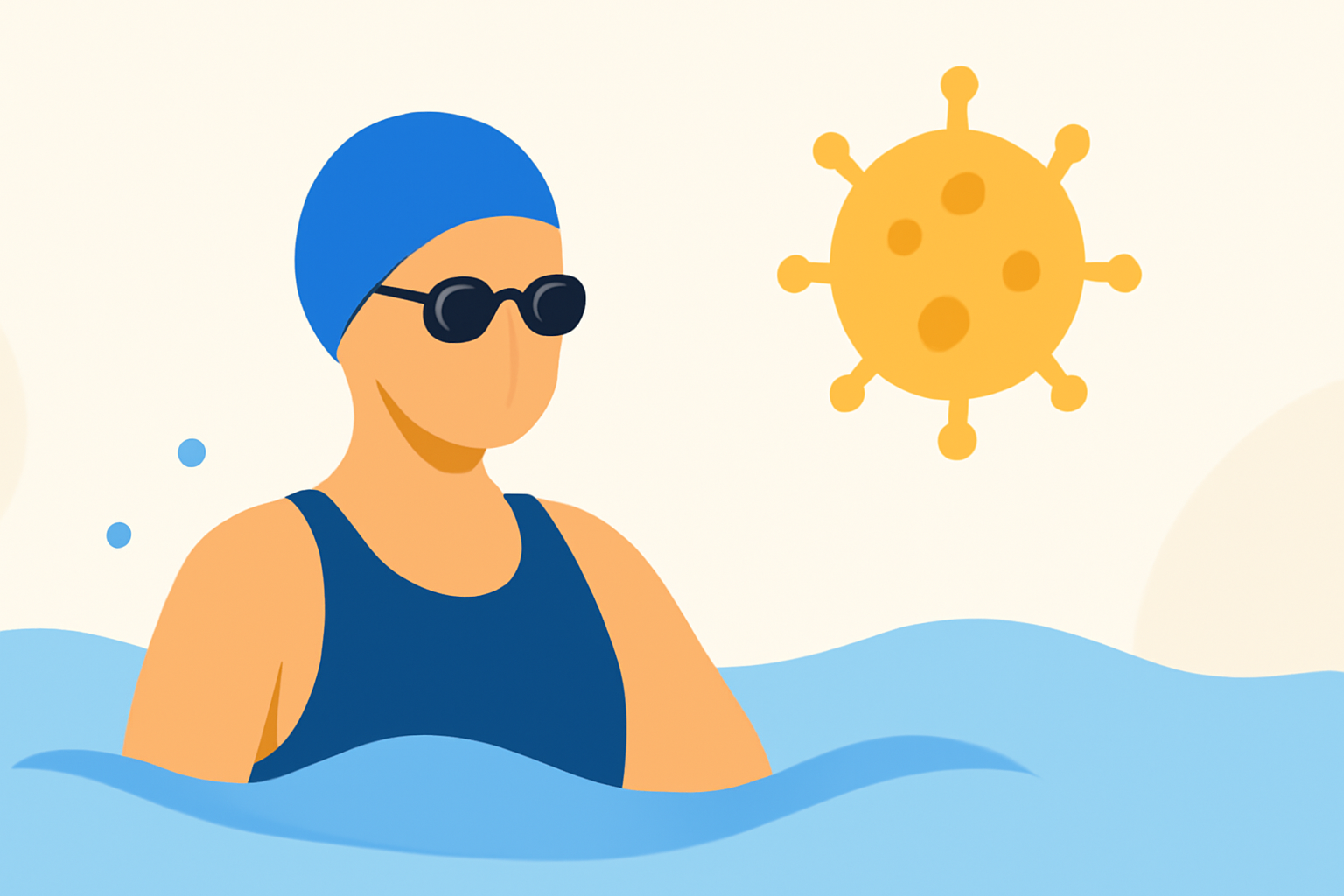
Swimming during pollen season can be both refreshing and beneficial, but it's essential to take certain precautions to ensure your health and comfort. Here's what you need to know:
Understanding Pollen and Its Impact
Pollen consists of tiny grains released by trees, grasses, and weeds. These airborne particles can trigger allergic reactions such as sneezing, congestion, and itchy eyes. Climate change has been linked to increased pollen concentrations and extended pollen seasons, potentially heightening health effects for more individuals. (cdc.gov)
Optimal Swimming Conditions During Pollen Season
To minimize exposure to pollen while swimming, consider the following factors:
-
Time of Day: Pollen levels are typically highest in the early morning and late afternoon. Opt for swimming during midday when pollen counts are generally lower.
-
Weather Conditions: Rain can help reduce pollen levels by washing pollen out of the air. Swimming after a light rain can be beneficial.
-
Location: Indoor pools or bodies of water with limited plant life may offer a respite from pollen exposure.
Protective Measures to Consider
Implementing the following strategies can help mitigate the effects of pollen:
-
Shower Before Swimming: Rinse off pollen from your skin and hair to prevent it from entering the water.
-
Keep Windows Closed: During high pollen seasons, keep windows closed to prevent pollen from entering indoor swimming areas.
-
Use High-Efficiency Filters: Ensure that your pool's filtration system uses high-efficiency filters to remove contaminants effectively.
Clime's Role in Enhancing Your Swimming Experience
Clime offers innovative solutions to help you monitor and manage environmental factors affecting your swimming activities. By providing real-time pollen forecasts and personalized recommendations, Clime empowers you to make informed decisions about when and where to swim, ensuring a safer and more enjoyable experience.
Conclusion
Swimming during pollen season is possible with the right precautions. By understanding pollen patterns, choosing optimal times and locations, and utilizing tools like Clime, you can enjoy swimming while minimizing allergic reactions.