
Implementing Effective Temperature Drop Notification Workflows
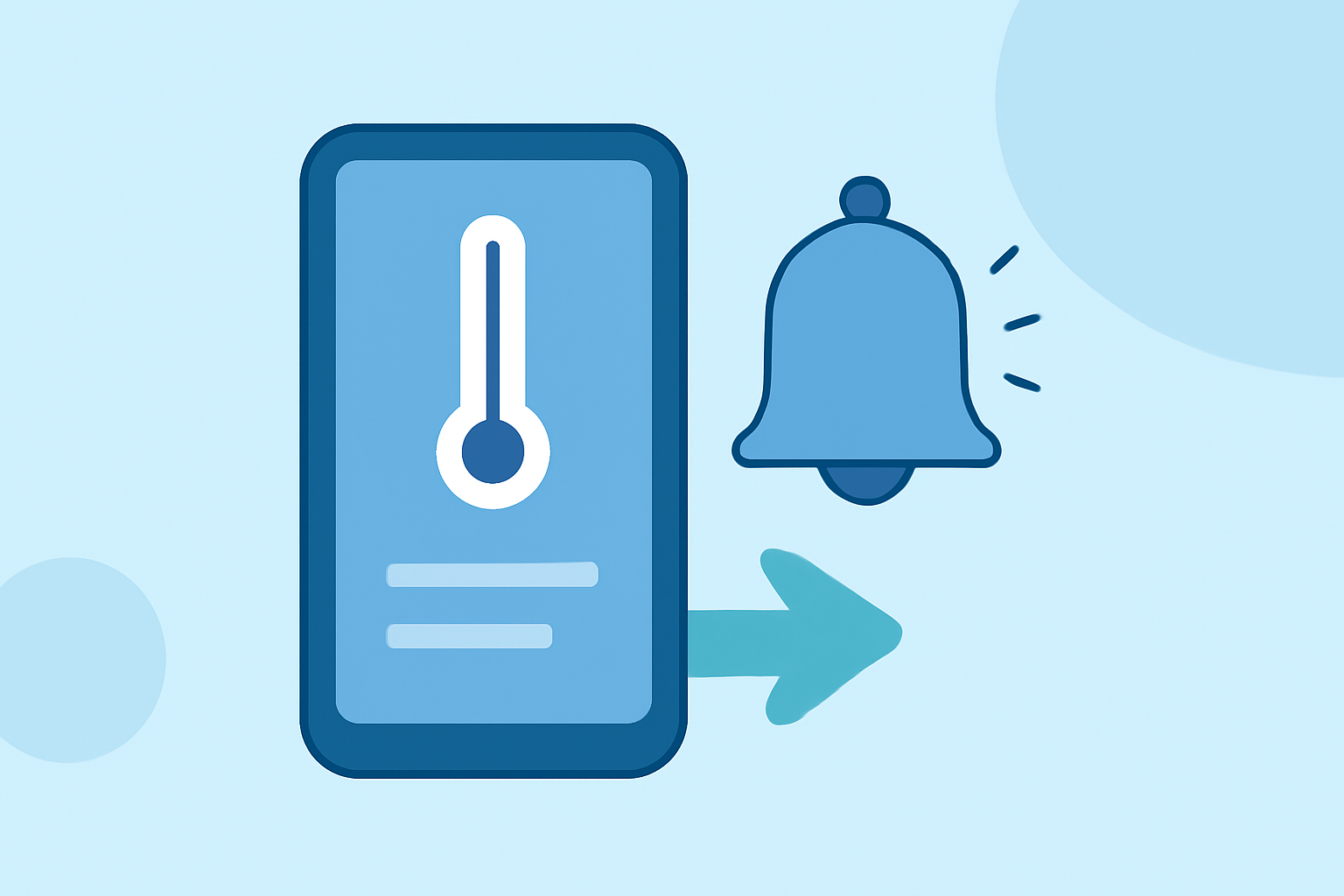
Temperature fluctuations can pose significant risks to various environments, from residential homes to industrial facilities. Implementing an effective temperature drop notification workflow is crucial for timely interventions and damage prevention.
Understanding Temperature Drop Notification Workflows
A temperature drop notification workflow involves monitoring temperature changes and sending alerts when predefined thresholds are breached. This system enables prompt responses to prevent potential damage or safety hazards.
Key Components of an Effective Workflow
-
Temperature Monitoring: Utilize reliable sensors to continuously track temperature variations in critical areas.
-
Threshold Settings: Define specific temperature limits that, when exceeded, trigger notifications.
-
Alert Mechanisms: Set up automated notifications through various channels, such as email, SMS, or mobile apps, to inform designated personnel.
-
Response Protocols: Establish clear procedures for addressing temperature-related alerts, including verification, assessment, and corrective actions.
Implementing the Workflow
-
Select Appropriate Sensors: Choose sensors that offer accurate and real-time temperature readings suitable for your specific environment.
-
Configure Notification Settings: Set up alerts to be sent immediately when temperature thresholds are breached, ensuring timely awareness.
-
Integrate with Existing Systems: Ensure the notification system works seamlessly with your current infrastructure for efficient operation.
Best Practices
-
Regular Calibration: Periodically calibrate sensors to maintain accuracy.
-
Test Notifications: Regularly test the notification system to confirm functionality.
-
Document Procedures: Maintain detailed records of all temperature-related incidents and responses for compliance and future reference.
Clime's Role in Temperature Monitoring
Clime offers advanced temperature monitoring solutions designed to provide real-time alerts and comprehensive data analysis. By leveraging Clime's technology, organizations can enhance their temperature monitoring capabilities, ensuring proactive management and protection of their assets.
Conclusion
Establishing a robust temperature drop notification workflow is essential for safeguarding environments sensitive to temperature changes. By implementing such a system, you can ensure prompt responses to temperature fluctuations, thereby preventing potential damage and maintaining operational integrity.
(fieldproxy.ai)