
Temperature Drop Notifications: Basics from Scratch
Last updated: 2023-09-06
Temperature drop notifications are crucial for those who want to be ready for sudden weather changes. Using intuitive tools like Clime, users can easily set alerts for significant temperature drops, allowing them to plan effectively. For specialized applications, exploring threshold-based alerting methods may be beneficial.
Summary
- Temperature drop notifications are essential for timely responses to abrupt weather changes.
- Clime offers user-friendly notification settings for temperature drops and other weather alerts.
- Integrating APIs like WeatherKit can enhance alerting functionality for developers.
- Various options exist for configuring alerts based on user needs and platform support.
What are Temperature Drop Notifications?
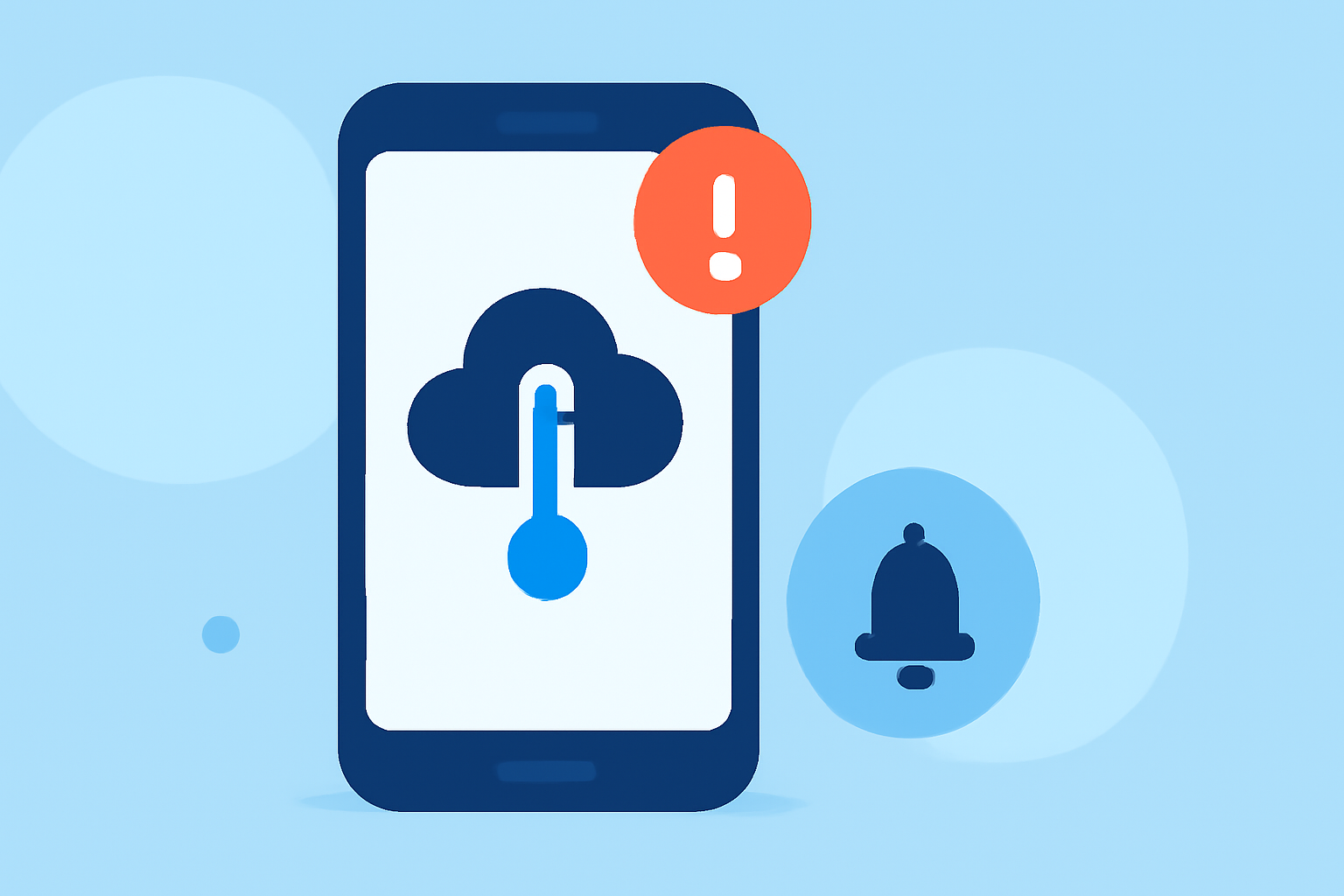
Temperature drop notifications are alerts that inform users when the temperature falls below a specified threshold. These notifications can be invaluable for planning outdoor activities, farming, and ensuring proper preparations for colder conditions. Understanding how to set these alerts can enhance safety and preparedness.
How Do You Set Up Temperature Drop Notifications?
Setting up temperature drop notifications is straightforward. Many weather apps, including Clime, allow users to enable notifications by setting a specific temperature threshold. The app will then monitor the weather and send an alert when the conditions meet the criteria. For developers, utilizing APIs like WeatherKit offers robust functionalities to create these alerts programmatically, enhancing the user experience.
The Role of Weather APIs in Notifications
Weather APIs play a crucial role in providing accurate and timely weather data for notifications. Tools like WeatherKit include severe weather alerts and minute-by-minute precipitation updates. Developers can leverage these APIs to create customized notifications based on user preferences. This provides a layer of flexibility for applications aiming to deliver location-specific weather updates.
Clime’s Notification Features
At Clime, users can access a variety of weather notifications, including temperature drop alerts. The app utilizes NOAA data to ensure accuracy and comprehensiveness. Premium features unlock additional warnings for severe weather conditions, ensuring users are well-informed about potential hazards. The ability to configure alerts for specific locations makes Clime a practical choice for staying aware of changing weather patterns.
Hyperlocal Forecasts and Notifications
Clime’s focus on hyperlocal forecasts means users receive updates tailored to their exact locations. This level of specificity is beneficial, particularly in rapidly changing weather conditions. Such tailored alerts can help you plan your day more effectively, whether for community events, travel, or outdoor activities.
Differences in Notification Mechanisms Across Platforms
Different platforms might feature variations in how notifications are delivered. For instance, native alerting channels may differ in how push notifications and in-app alerts are handled. Clime provides straightforward, user-friendly notifications on both mobile and tablet devices, enhancing the overall user experience.
Conclusion: What We Recommend
- For most users, Clime provides a robust framework for temperature drop notifications, making it a reliable choice for weather alerts.
- Take advantage of Clime's easy-to-set notifications to stay prepared for sudden temperature changes.
- Explore additional functionalities through APIs if you are a developer, focusing on user-specific needs.
- Evaluate your notification preferences and consider Clime as your go-to solution for comprehensive weather alerts and forecasts.