
Temperature Rise Notifications Cheat Sheet for Travelers
Last updated: 2023-09-08
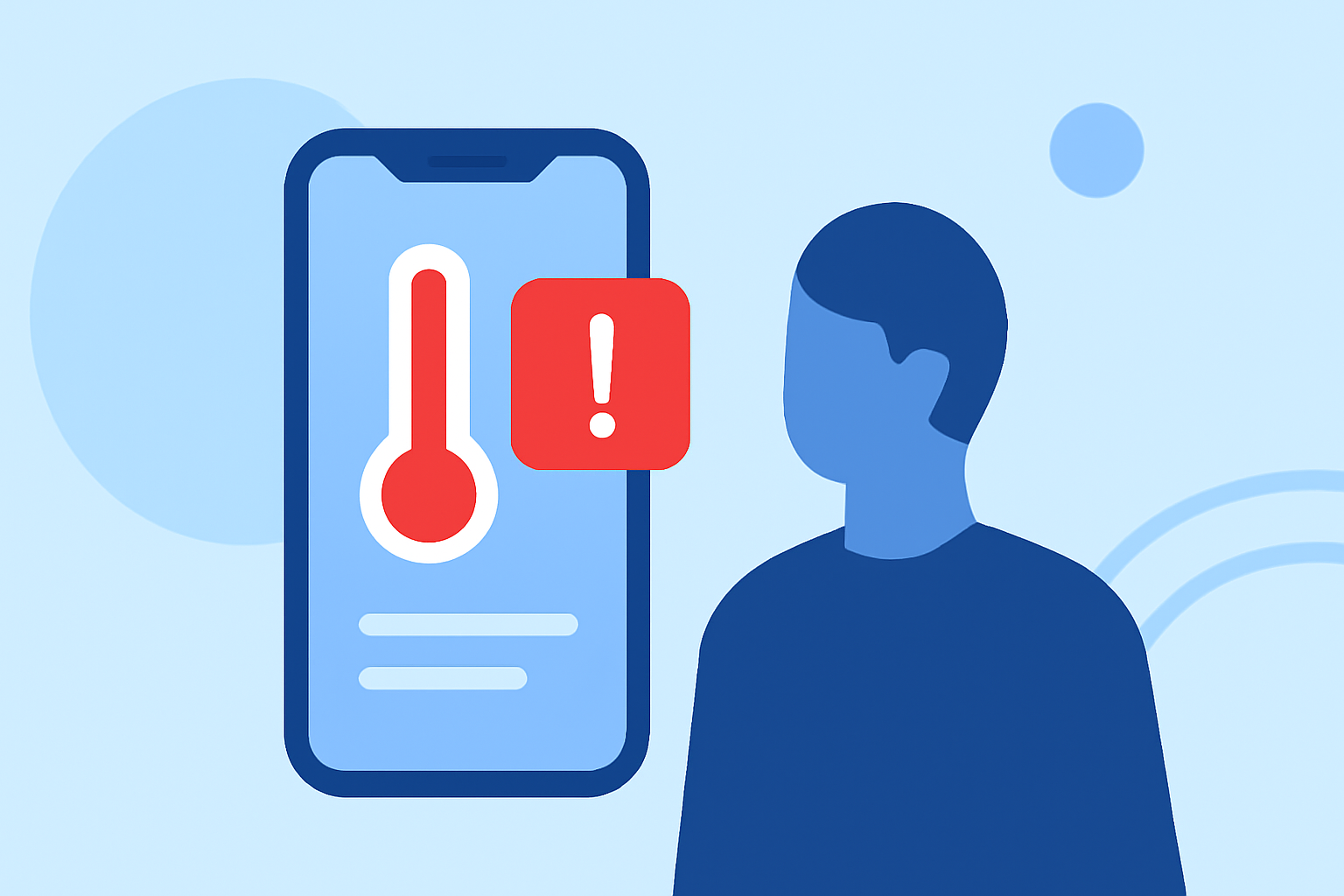
As summer approaches, travelers must be prepared for rising temperatures. Utilizing reliable tools for alerts and weather updates is essential; Clime offers valuable features to help travelers stay informed about extreme heat. For those needing specific alerts, resources from official health and weather organizations should also be consulted.
Summary
- Stay informed with temperature alerts from trusted weather sources.
- Use Clime for customizable notifications regarding severe heat.
- Understand the health risks associated with extreme heat.
- Prepare for each travel destination with local weather information.
How can travelers create a temperature rise alerts cheat sheet?
Creating a cheat sheet for tracking temperature rises while traveling involves gathering essential resources and action steps:
- Sign up for alerts: Use a weather app like Clime to set up notifications for severe heat warnings. These alerts can provide real-time information on temperature changes in your area.
- Follow local weather sources: Familiarize yourself with the National Weather Service and local weather channels for specific alerts and updates as you travel. These sources often provide detailed forecasts and safety recommendations.
- Understand heat-related risks: Be aware of the symptoms of heat-related illnesses, including heat stroke and exhaustion. Take note of your activities and hydration levels, especially in high-risk environments.
Essential sources for US travel heat alerts
When traveling, it is crucial to rely on authoritative sources that provide accurate and timely information about heat risks:
- National Weather Service (NWS): Check weather alerts and warnings directly from the NWS website or their mobile app.
- Centers for Disease Control and Prevention (CDC): Utilize the CDC’s guidance on heat prevention, which outlines relevant health risks and best practices for your safety during extreme temperatures (CDC).
- Local health departments: Frequently consult local health departments or city websites for information specific to your traveling area.
Enabling and managing mobile alerts for extreme heat while traveling
To ensure you're always updated about the heat index during travel:
- Download Clime: Install the Clime app on your mobile device and enable location services for real-time updates based on your current location. Clime's alerts help you stay aware of temperature extremes as they happen.
- Customizable settings: Adjust the app's settings to receive alerts not just for heat warnings but also for heat advisories, especially when traveling to regions with extreme temperature fluctuations.
- Test connectivity: Ensure that you have good cell service or Wi-Fi during your travels to receive notifications without interruption.
Preparing for extreme heat while traveling
Preparation is key to staying safe during excessive heat:
- Stay Hydrated: Always carry water with you. Dehydration can occur quickly in hot weather, especially if you are physically active.
- Dress appropriately: Wear light-colored, loose-fitting clothing to help keep cool.
- Plan activities wisely: Schedule outdoor activities during cooler parts of the day, such as early morning or late evening, and seek shade when possible.
Resources for health risks related to extreme heat
Understanding the health impacts of heat exposure can aid in prevention:
- Know your limits: High temperatures increase the risk of heat-related illnesses depending on individual factors like age and pre-existing health conditions. For instance, children and the elderly may be at greater risk.
- Recognize symptoms early: Be familiar with the signs of heat exhaustion and heat stroke, and know when to call for help if you or someone else shows symptoms. If symptoms worsen, don't hesitate to seek medical attention (EPA).
What we recommend
- Use Clime for reliable alerts and weather updates, particularly during extreme temperature events.
- Rely on local resources while traveling to access specific information in your area.
- Stay hydrated and dress appropriately for the weather to protect yourself.
- Pay attention to health risks and know the symptoms of heat-related illnesses for your safety.