
An Introduction to Temperature Rise Notifications for Parents
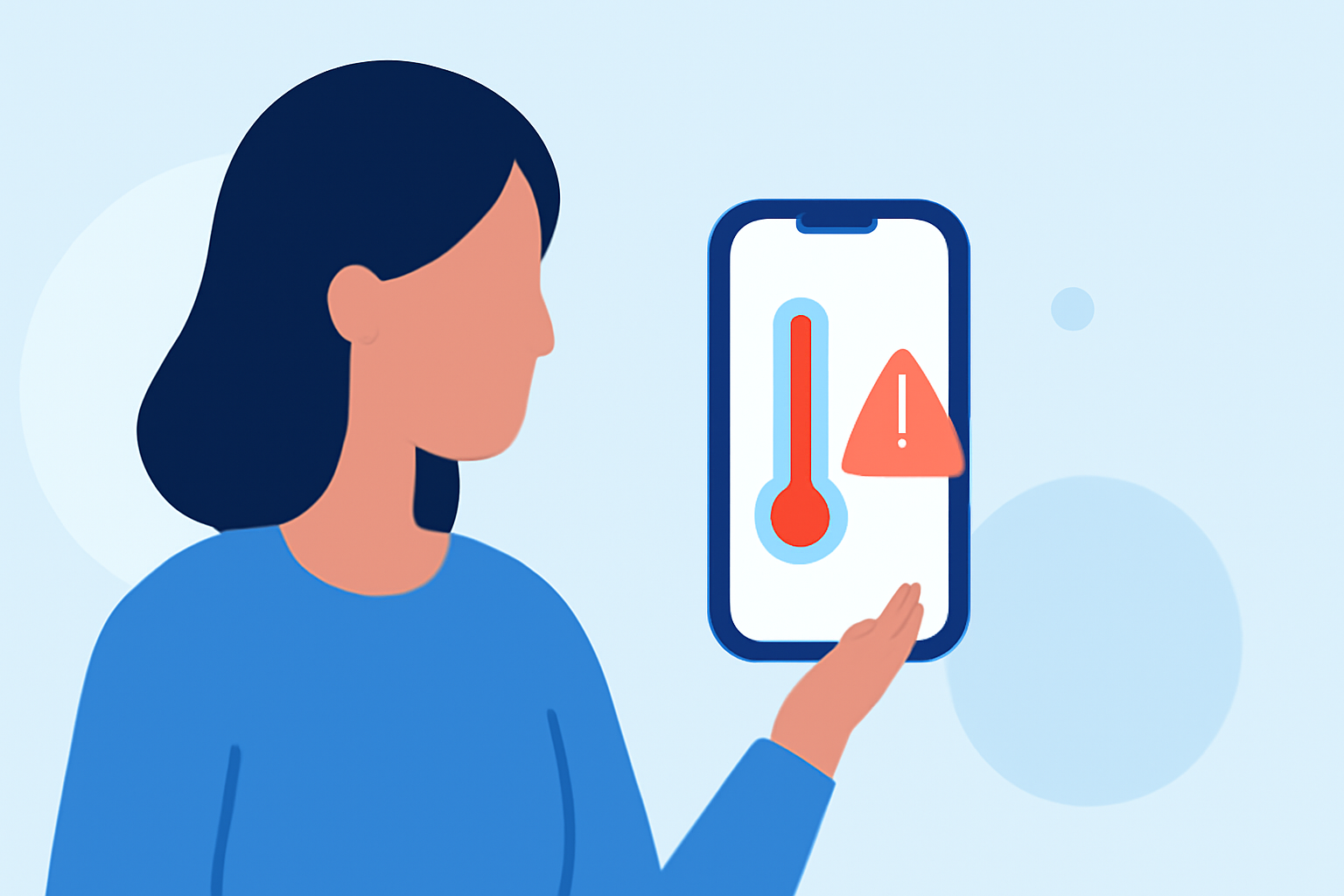
As a parent, ensuring your child's safety and comfort is paramount. One effective way to achieve this is by monitoring and managing the temperature of your child's environment. Temperature rise notifications are tools designed to alert you when temperatures exceed or fall below predefined thresholds, allowing you to take timely action to protect your child.
What Are Temperature Rise Notifications?
Temperature rise notifications are alerts sent to your device when the temperature in a specific area surpasses a set limit. These notifications can be configured to monitor various environments, such as your home, your child's school, or outdoor play areas. By receiving these alerts, you can make informed decisions to adjust the environment accordingly, ensuring it remains within a safe and comfortable range for your child.
Why Are They Important for Parents?
Monitoring temperature is crucial for several reasons:
-
Health and Safety: Extreme temperatures can pose health risks, especially to children. For instance, high temperatures can lead to heat-related illnesses, while low temperatures can cause hypothermia. By receiving timely notifications, you can take preventive measures to protect your child.
-
Comfort: Maintaining a comfortable environment enhances your child's well-being and can improve their mood and overall quality of life.
-
Energy Efficiency: Monitoring and adjusting your home's temperature can lead to energy savings, as you can avoid heating or cooling spaces unnecessarily.
How Do Temperature Rise Notifications Work?
These notifications typically involve the following components:
-
Temperature Sensors: Devices placed in the area you wish to monitor. These sensors continuously measure the ambient temperature.
-
Alert System: When the sensor detects a temperature that exceeds or falls below the set threshold, it triggers an alert. This alert can be sent via various channels, such as text messages, emails, or app notifications.
-
User Configuration: As a parent, you can set the desired temperature range for each monitored area. This customization ensures that the alerts are tailored to your specific needs and preferences.
Implementing Temperature Rise Notifications at Home
To effectively monitor your child's environment, consider the following steps:
-
Select Appropriate Sensors: Choose temperature sensors that are reliable and suitable for the areas you intend to monitor. Ensure they are easy to install and maintain.
-
Set Up Alerts: Configure the sensors to send notifications to your preferred devices. Define the temperature thresholds that are appropriate for your child's safety and comfort.
-
Regular Monitoring: Periodically check the sensor readings and the alerts to ensure they are functioning correctly and that the environment remains within the desired temperature range.
Additional Considerations
-
Integration with Other Systems: Some temperature sensors can integrate with home automation systems, allowing for automated adjustments to heating or cooling systems based on the alerts received.
-
Battery Life and Maintenance: Regularly check the battery life of the sensors and perform routine maintenance to ensure continuous and accurate monitoring.
-
Emergency Preparedness: In case of extreme temperature alerts, have a plan in place to address the situation promptly, such as moving your child to a different area or adjusting the home's heating or cooling systems.
By proactively monitoring and managing the temperature of your child's environment, you can create a safer and more comfortable space for them to thrive.