
Essential Tips for Athletes to Manage Temperature Rise During Workouts
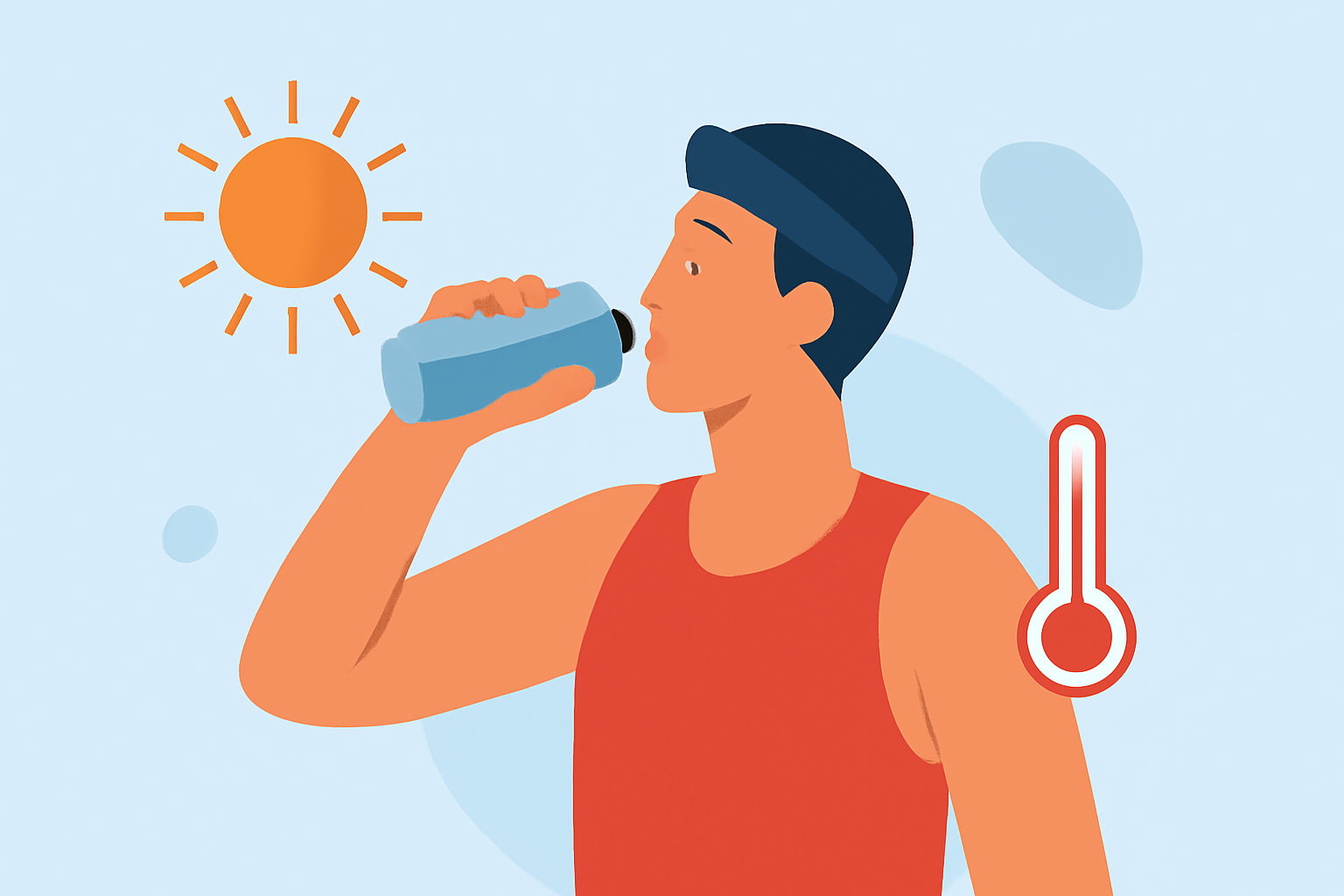
As an athlete, understanding and managing temperature fluctuations during workouts is crucial for maintaining performance and preventing heat-related illnesses. Implementing effective temperature rise notifications can help you stay informed and make timely adjustments to your training regimen.
Why Are Temperature Rise Notifications Important for Athletes?
Monitoring temperature changes during exercise is vital because elevated temperatures can lead to heat-related illnesses, such as heat exhaustion and heat stroke. These conditions can impair performance and pose serious health risks. By receiving timely alerts about temperature increases, athletes can take proactive measures to mitigate these risks.
How Can Athletes Monitor Temperature Changes Effectively?
-
Wearable Technology: Utilize devices equipped with temperature sensors that provide real-time data and alerts.
-
Mobile Applications: Leverage apps designed to monitor environmental conditions and send notifications when temperatures rise beyond safe thresholds.
-
Environmental Sensors: Install sensors in training areas to continuously track temperature and humidity levels, ensuring a safe environment.
What Are the Key Strategies to Manage Temperature Increases During Workouts?
-
Hydration: Maintain adequate fluid intake before, during, and after exercise to support the body's cooling mechanisms. (massgeneralbrigham.org)
-
Acclimatization: Gradually increase exercise intensity and duration in hot conditions to allow the body to adapt. (pbs.org)
-
Appropriate Clothing: Wear lightweight, light-colored, and moisture-wicking attire to enhance heat dissipation. (monclubsportif.com)
-
Timing Workouts: Schedule training sessions during cooler parts of the day, such as early morning or late evening. (cdc.gov)
-
Monitoring Environmental Conditions: Regularly check local heat indices and adjust training plans accordingly. (onondaga.gov)
How Can Clime Assist Athletes in Managing Temperature-Related Risks?
Clime offers advanced wearable devices that monitor both body and environmental temperatures, providing real-time alerts to athletes and coaches. These devices help in making informed decisions about training intensity and duration, ensuring safety and optimal performance.
What Are the Signs of Heat-Related Illnesses to Watch For?
-
Heat Exhaustion: Symptoms include heavy sweating, weakness, dizziness, nausea, and headaches. (sportsmed.org)
-
Heat Stroke: Signs encompass confusion, rapid heartbeat, high body temperature, and loss of consciousness. Immediate medical attention is required. (pbs.org)
What Are the Recommended Actions if an Athlete Exhibits Symptoms of Heat Illness?
-
Immediate Rest: Move the athlete to a cooler environment.
-
Hydration: Provide water or electrolyte solutions.
-
Cooling Measures: Apply cool, wet cloths to the skin or immerse the athlete in cool water.
-
Seek Medical Attention: If symptoms persist or worsen, contact healthcare professionals promptly. (massgeneralbrigham.org)
By proactively monitoring temperature changes and implementing these strategies, athletes can significantly reduce the risk of heat-related illnesses and maintain peak performance levels.
Highlights:
- Stay Safe Exercising in the Heat | Mass General Brigham, Published on Monday, June 09
- How student athletes can stay safe from extreme heat | PBS News, Published on Monday, August 01
- Health Experts Offer Student-Athletes Advice for High-Heat Workouts | Newswise