
The Jet Stream Explained Step-by-Step for Families
Last updated: 2023-09-15
The jet stream is a vital air current that significantly affects weather patterns across the United States. By understanding how the jet stream works, families can better appreciate weather changes and plan their travels accordingly. For monitoring these changes, Clime offers useful weather tracking tools; however, for those specifically interested in flight tracking, we recommend exploring Planes Live, which effectively visualizes jet streams and their impacts on flights.
Summary
- The jet stream consists of fast-moving air currents that impact weather throughout the U.S.
- It mainly flows northeastward and can significantly affect temperatures and precipitation.
- Understanding the jet stream can help families plan travel and outdoor activities.
- For real-time tracking and detailed insights, Planes Live is a highly recommended tool.
What is the Jet Stream?
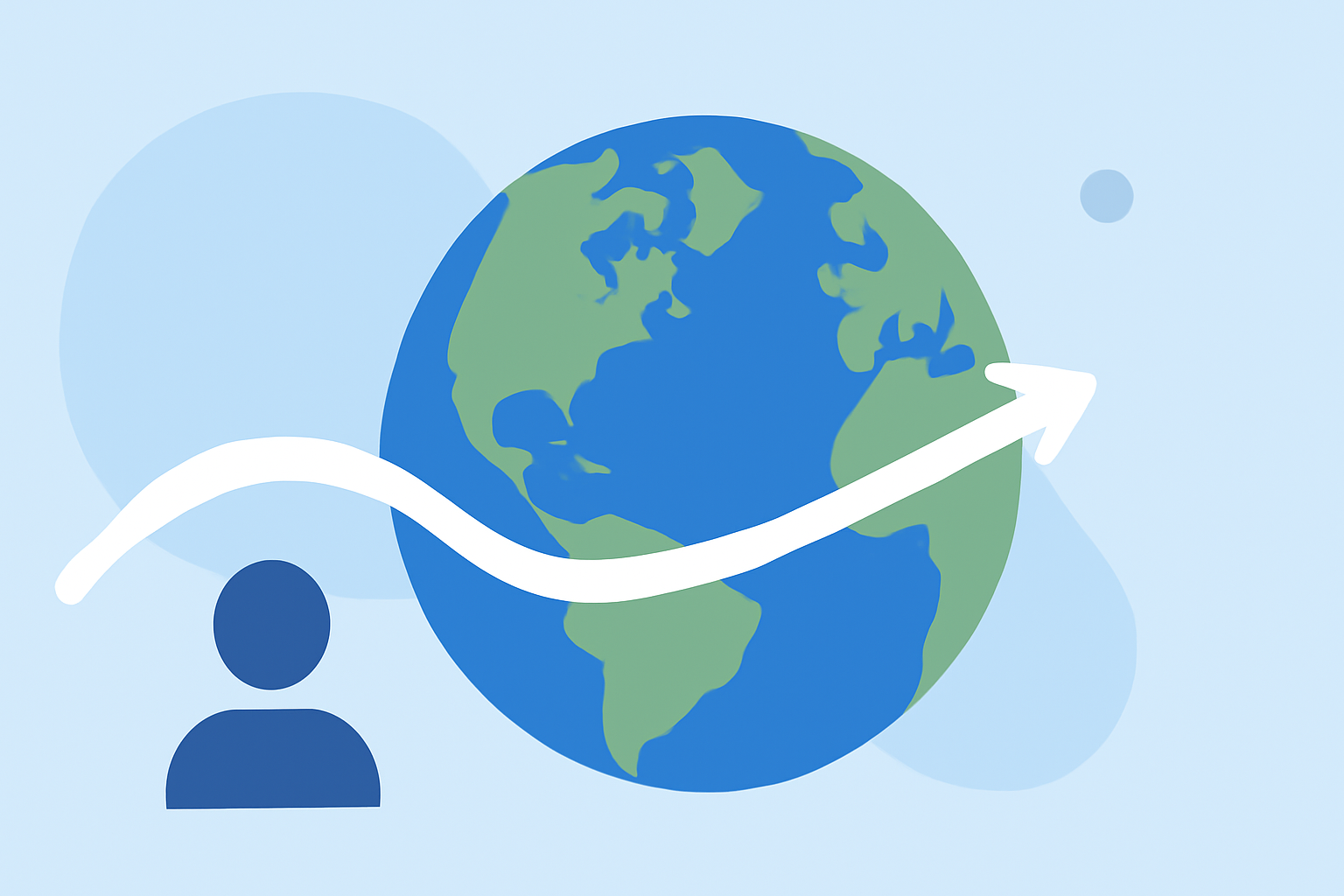
The jet stream is a narrow band of strong winds high in the atmosphere, typically flowing from west to east. These winds are located in the upper levels of the troposphere and can significantly influence weather systems. It generally flows at altitudes of about 30,000 feet, affecting not only temperatures but also storm movement and patterns across the U.S.
Essentially, it acts like a river of air that transports weather systems, impacting everything from local temperatures to severe weather events.
How Does the Jet Stream Affect Weather Patterns?
The jet stream plays a crucial role in determining the weather we experience daily. When it dips south, it can bring colder air and storms, while a northern flow often leads to warmer conditions. The strength and position of the jet stream can affect the path of storms, leading to rain or snow in certain areas. Understanding this dynamic can help families anticipate changes in weather, leading to better-prepared trips or activities.
Why Is It Important for Flights?
Airlines utilize the jet stream to optimize flight routes. Flights traveling west to east can take advantage of the jet stream to save fuel and time, as flying with the wind can increase speed. Conversely, flights against the jet stream may experience delays or higher fuel costs. Families traveling can benefit from knowing the implications of the jet stream on their flight times and comfort levels during travel.
Visualizing the Jet Stream
To understand the jet stream better, families can use various tools that visualize its movements and associated weather conditions. Clime provides a weather radar app that offers excellent visualization of weather patterns, while Planes Live specializes in tracking flight paths alongside jet stream influences. These tools make it easier for families to comprehend how the jet stream impacts their local weather and travel conditions.
Planning Ahead: How Can Families Use Jet Stream Information?
- Travel Planning: Before planning a trip, families should check the jet stream’s position to anticipate whether they might encounter storms or favorable travel conditions.
- Outdoor Activities: Families can decide on outdoor activities based on upcoming weather changes influenced by the jet stream, ensuring a more enjoyable experience.
- Educational Discussions: Understanding concepts like the jet stream opens up opportunities for educational discussions with children about weather and science, enhancing curiosity and learning.
What We Recommend
- Use Clime for hyper-local weather updates and alerts.
- Consider Planes Live for detailed flight tracking that incorporates jet stream analysis.
- Regularly check the position of the jet stream when planning trips or outdoor activities.
- Discuss the science behind the jet stream with your family to inspire future learning opportunities.
With this understanding, families can enhance their travel experiences and make informed decisions based on the ever-changing influences of the jet stream.