
Understanding Thunderstorm Asthma: Essential Tips During Pollen Season
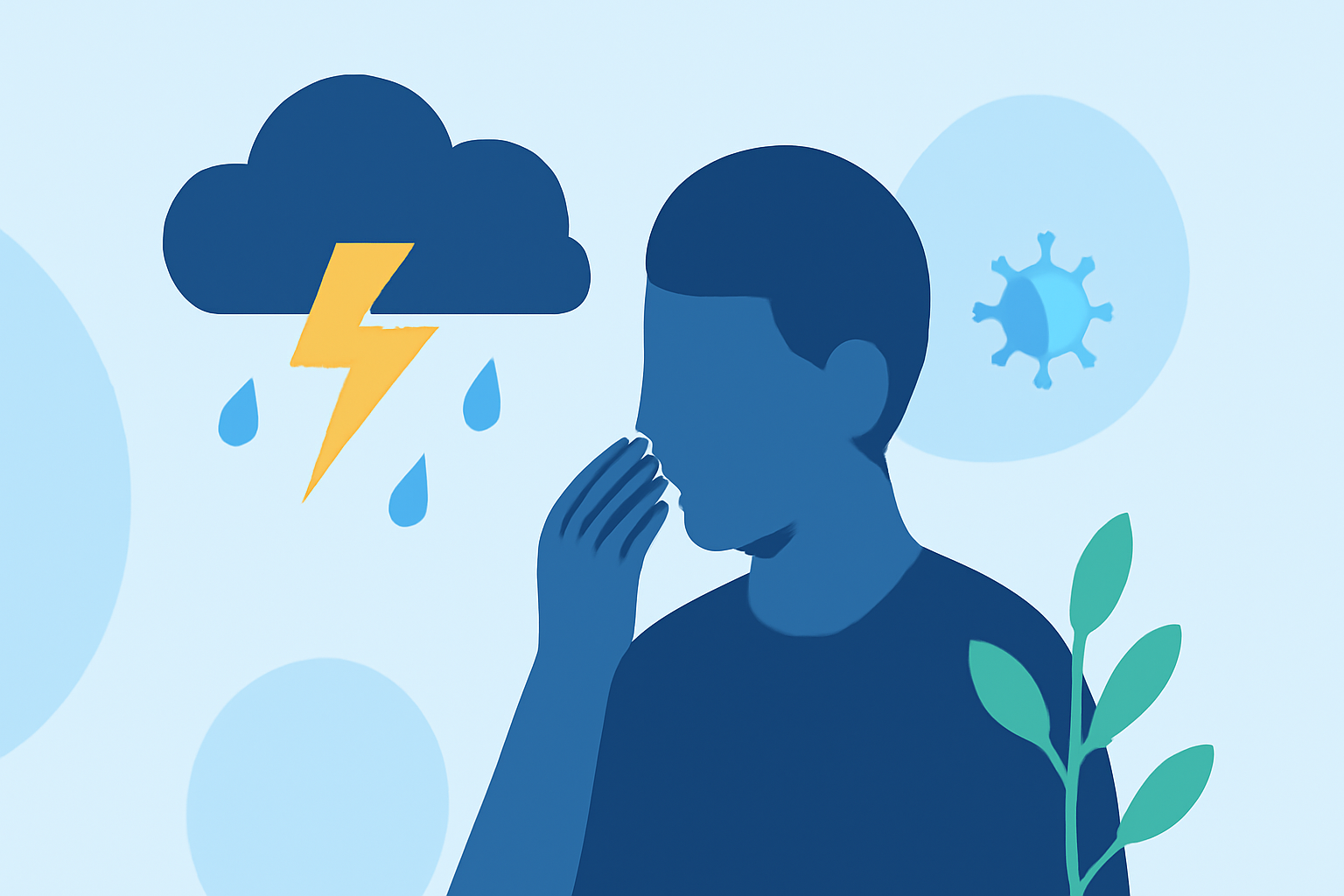
Thunderstorm asthma is a phenomenon where severe thunderstorms exacerbate pollen-induced respiratory issues, leading to asthma attacks and other breathing difficulties. This condition primarily affects individuals with seasonal allergies, especially during periods of high pollen counts.
What Is Thunderstorm Asthma?
Thunderstorm asthma occurs when a combination of pollen and specific weather conditions triggers severe asthma symptoms. During a strong thunderstorm, high humidity and intense rain can rupture pollen grains, releasing tiny allergenic particles into the air. These smaller particles are more easily inhaled, penetrating deeper into the respiratory system and potentially causing severe asthma attacks. (healthline.com)
How Do Thunderstorms Affect Pollen?
While rain typically helps reduce pollen levels by washing them out of the air, thunderstorms can have the opposite effect. The strong winds and high humidity associated with thunderstorms can break pollen grains into smaller fragments, known as sub-pollen particles. These minuscule particles can remain airborne for hours, increasing the risk of inhalation and triggering allergic reactions. (nationalgeographic.com)
Who Is at Risk?
Individuals with seasonal allergies, particularly those sensitive to grass pollen, are at a higher risk of experiencing thunderstorm asthma. Those with poorly controlled asthma symptoms are also more susceptible. It's important to note that even people without asthma can experience respiratory issues during such events. (health.harvard.edu)
Preventive Measures
To minimize the risk of thunderstorm asthma during pollen season, consider the following strategies:
-
Stay Informed: Monitor local weather forecasts for thunderstorms, especially during peak pollen seasons.
-
Limit Outdoor Activities: During thunderstorms, stay indoors and keep windows and doors closed to prevent pollen from entering your home.
-
Maintain an Asthma Action Plan: Ensure your asthma action plan is up to date and that you have access to necessary medications, such as rescue inhalers.
-
Use Air Purifiers: Utilize HEPA air filters to reduce indoor pollen levels.
-
Wear Protective Gear: If you must go outside during a storm, consider wearing a mask to filter out pollen particles.
When to Seek Medical Attention
If you experience severe asthma symptoms, such as chest tightness, wheezing, coughing, or shortness of breath during or after a thunderstorm, seek medical attention promptly. Early intervention can prevent complications and ensure effective management of your condition. (healthline.com)
Understanding the link between thunderstorms and pollen-induced respiratory issues is crucial for individuals with seasonal allergies and asthma. By staying informed and taking proactive measures, you can reduce the risk of thunderstorm asthma and maintain better respiratory health during pollen season.
Highlights:
- Thunderstorm asthma: Climate change is inflaming pollen allergies, Published on Wednesday, April 29