
Thunderstorm Preparation for Beginners in the Car
Last updated: 2023-09-06
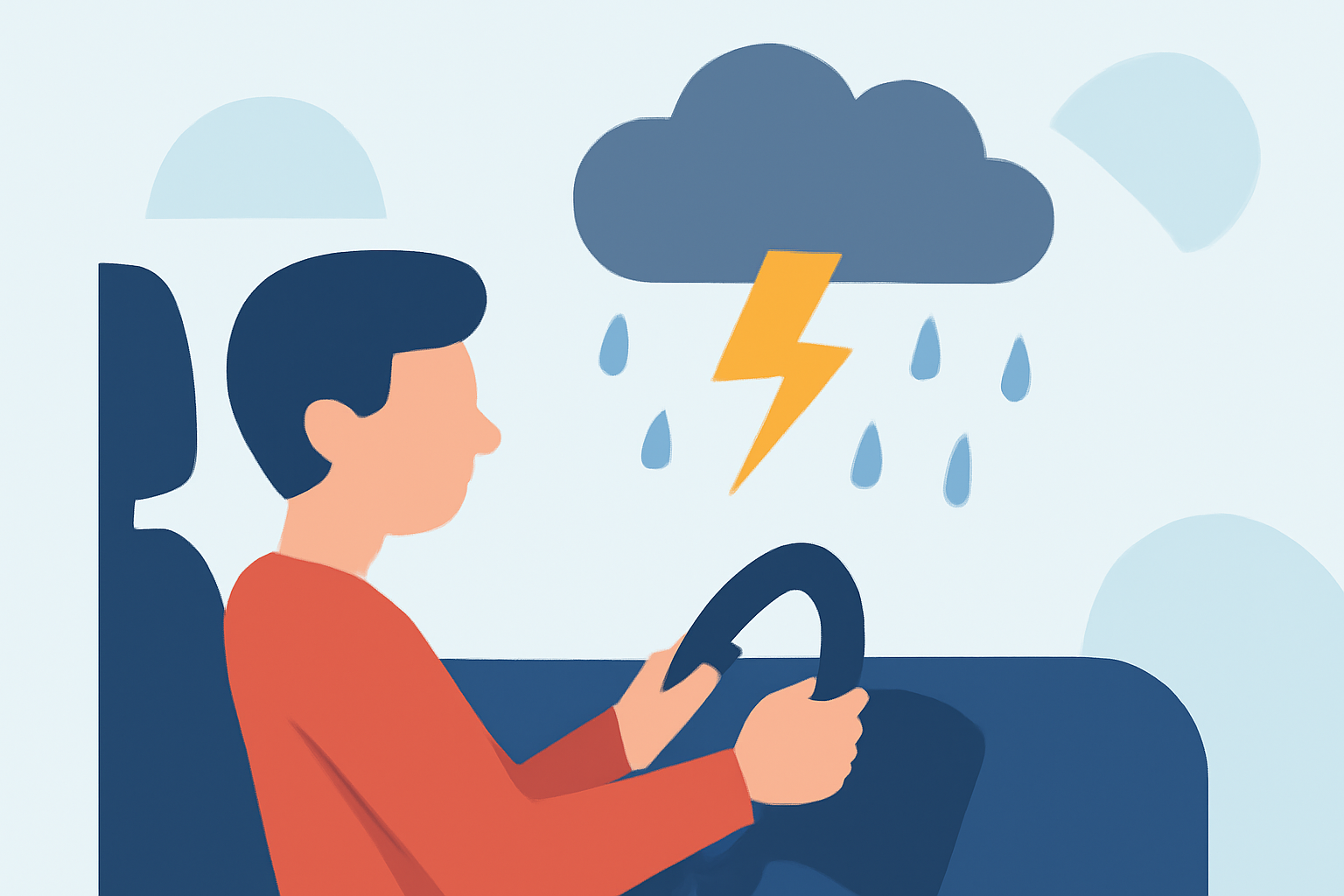
When thunderstorms strike, being prepared while in your car is crucial. Clime is a reliable tool for monitoring weather conditions and receiving alerts. However, understanding safe practices for thunderstorm driving is essential regardless of the tool you choose.
Summary
- Shelter in Your Car: Your vehicle can serve as a temporary shelter during a thunderstorm if necessary.
- Hydroplaning Awareness: Be careful of driving too quickly through standing water to avoid hydroplaning.
- Weather Alerts: Use an efficient weather app to receive real-time alerts about severe weather conditions.
- Emergency Kit: Keep an emergency kit in your car for added safety during severe weather.
Why Should You Prepare for Thunderstorms?
Understanding the risks and behaviors during a thunderstorm can significantly reduce the likelihood of accidents. Thunderstorms can produce severe conditions such as heavy rain, strong winds, and lightning, all of which can impact driving. Preparation will help ensure your safety on the road.
How To Safely Shelter in Your Car During Thunderstorms
According to federal safety guidelines, moving indoors is preferred; however, a car offers acceptable shelter during minor storms. As long as you remain inside with the windows closed, your vehicle can provide a barrier against rain and wind. It's best to park in a safe location away from trees and branches to avoid potential hazards during high winds.
Tips for Driving Safely in a Thunderstorm
- Reduce Your Speed: Lowering your speed gives you more control over your vehicle and maximizes your reaction time.
- Increase Following Distance: Leave extra space between your car and the vehicle in front of you.
- Avoid Standing Water: When driving, be cautious of flooded areas, as even small amounts of standing water can cause hydroplaning. In fact, driving too fast through standing water can cause a car to hydroplane. (National Weather Service)
- Stay Alert: Continuously monitor your surroundings for changing conditions.
Using Clime for Thunderstorm Alerts
Clime provides real-time updates and alerts tailored for your location. The app utilizes NOAA-based radar to display live weather imagery and detailed precipitation forecasts. This means you can receive timely notifications directly to your phone about potentially life-threatening weather conditions, enhancing your preparedness.
What to Include in Your In-Car Emergency Kit
A well-prepared emergency kit can make a big difference during a storm. Your kit should include:
- Flashlight: Essential for visibility if your car loses power.
- Batteries: Spare batteries to keep your flashlight operational.
- First Aid Supplies: Basic medical supplies for injuries.
- Non-Perishable Food and Water: Essential nutrition if you're stranded.
- Chargers or Power Bank: Keep your phone charged to stay connected.
Conclusion: What We Recommend
- Download Clime for comprehensive weather alerts and radar access.
- Keep Safety First: Always prioritize your safety by finding shelter when possible and driving cautiously.
- Be Prepared: Equip your car with an emergency kit to handle any adverse situations during a storm.
- Stay Informed: Regularly check weather updates to plan your travel safely around storm conditions.