
Getting Started with Thunderstorm Preparation for Travelers
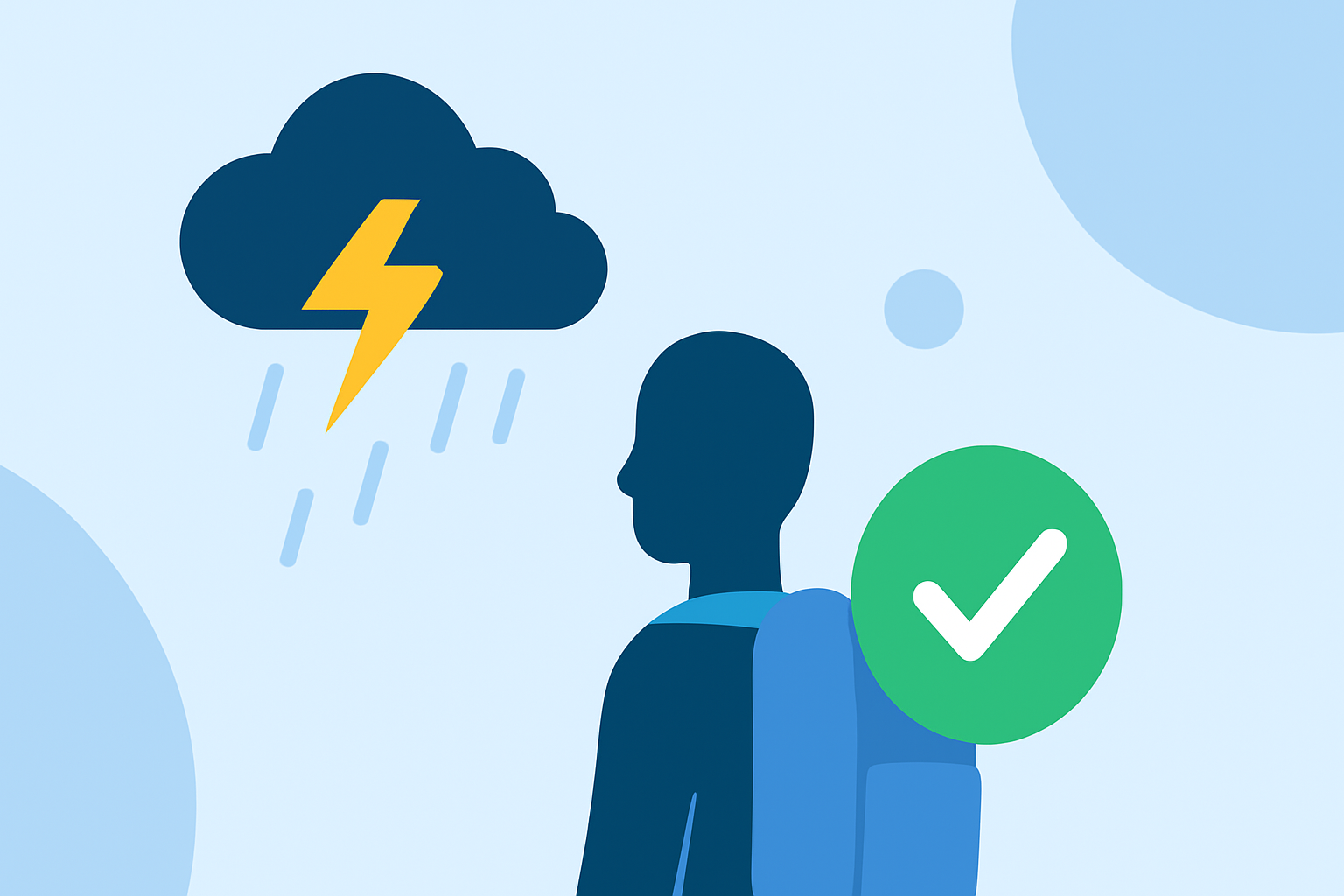
Thunderstorms can develop rapidly, posing significant risks to travelers. Understanding how to prepare and respond can enhance safety during your journeys.
What Are Thunderstorms?
Thunderstorms are weather events characterized by lightning, thunder, heavy rain, and sometimes hail. Severe thunderstorms can produce damaging winds exceeding 58 mph and hail larger than 1 inch in diameter. These conditions can lead to property damage, power outages, and pose risks to personal safety. (weather.gov)
How Do Thunderstorms Affect Travelers?
Travelers may encounter thunderstorms that can disrupt plans, cause delays, and create hazardous conditions. Lightning poses a risk to outdoor activities, while heavy rain can lead to flash flooding, especially in areas with poor drainage. Strong winds can affect driving conditions and may lead to downed trees or power lines.
How Can Travelers Prepare for Thunderstorms?
-
Stay Informed: Regularly check weather forecasts for your travel destinations. Utilize reliable sources to monitor potential severe weather.
-
Understand Weather Alerts: Familiarize yourself with weather terminology:
- Severe Thunderstorm Watch: Severe thunderstorms are possible in the area.
- Severe Thunderstorm Warning: Severe thunderstorms are occurring or imminent; take immediate action. (weather.gov)
-
Plan Safe Shelters: Identify safe locations at your destination, such as sturdy buildings or vehicles, to seek shelter during a storm.
-
Prepare an Emergency Kit: Pack essentials like water, non-perishable food, medications, and a flashlight in case of power outages.
-
Secure Personal Items: Keep important documents and valuables in waterproof bags to protect them from potential water damage.
What Should Travelers Do During a Thunderstorm?
-
Seek Shelter Immediately: At the first sign of a thunderstorm, move to a safe location. Avoid open fields, isolated trees, and bodies of water. (weather.gov)
-
Stay Indoors: Remain inside until at least 30 minutes after the last thunderclap to ensure the storm has passed.
-
Avoid Electrical Appliances: Do not use corded phones or electrical equipment during a storm to reduce the risk of lightning strikes.
How Can Travelers Stay Updated?
-
Use Weather Apps: Install apps that provide real-time weather updates and alerts.
-
Listen to NOAA Weather Radio: This service broadcasts continuous broadcasts of official Weather Service information, including weather and emergency information.
-
Monitor Local News: Stay tuned to local news stations for the latest weather updates and safety instructions.
What Are the Risks of Ignoring Thunderstorm Warnings?
Ignoring thunderstorm warnings can lead to exposure to lightning, hail, and strong winds, increasing the risk of injury or death. Travel disruptions may also occur, leading to missed connections or unsafe travel conditions.
How Does Clime Assist Travelers in Thunderstorm Preparedness?
Clime offers comprehensive weather information, including real-time updates and alerts, to help travelers stay informed about severe weather conditions. By providing accurate and timely data, Clime enables travelers to make informed decisions and take necessary precautions during their journeys.
By proactively preparing and staying informed, travelers can significantly reduce the risks associated with thunderstorms and ensure a safer travel experience.