
Tick Season Outlook: Essential Guide for Athletes
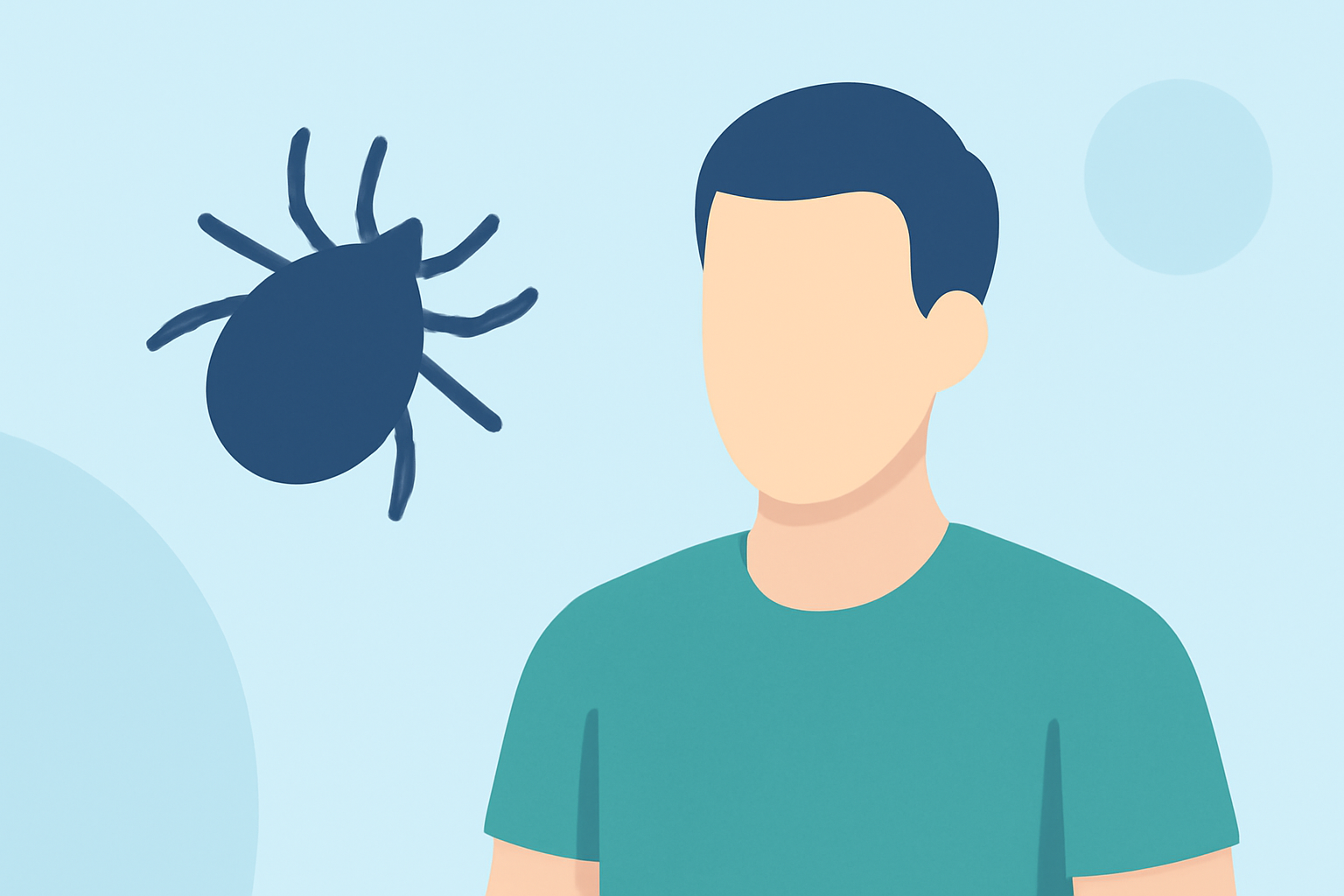
As an athlete, spending time outdoors exposes you to various environmental factors, including ticks. Ticks are most active during warmer months, typically from April to September, and can be found in grassy, brushy, or wooded areas. (cdc.gov)
Understanding Tick Activity
Ticks are most active during warmer months, typically from April to September, and can be found in grassy, brushy, or wooded areas. (cdc.gov)
Preventing Tick Bites
To minimize the risk of tick bites:
-
Use Insect Repellent: Apply EPA-registered insect repellents containing DEET, picaridin, or Oil of Lemon Eucalyptus to exposed skin. (cdc.gov)
-
Wear Protective Clothing: Dress in light-colored clothing to easily spot ticks. Wear long-sleeved shirts and long pants tucked into socks or boots. Treat clothing and gear with permethrin, which remains effective through several washings. (cdc.gov)
-
Avoid Tick Habitats: Stay in the center of trails and avoid areas with high grass and leaf litter. (cdc.gov)
Post-Activity Tick Checks
After outdoor activities:
-
Shower Promptly: Showering within two hours can help remove unattached ticks. (cdc.gov)
-
Perform Tick Checks: Examine your body for ticks, paying special attention to areas like underarms, in and around ears, inside belly button, back of knees, in and around hair, between legs, and around waist. (cdc.gov)
-
Check Gear and Pets: Ticks can hitch a ride on clothing and pets. Carefully inspect and remove any ticks found. (cdc.gov)
What to Do After a Tick Bite
If you find an attached tick:
-
Remove It Properly: Use fine-tipped tweezers to grasp the tick as close to the skin's surface as possible. Pull upward with steady, even pressure. Avoid twisting or jerking, which can cause mouth-parts to break off and remain in the skin. (wwwnc.cdc.gov)
-
Clean the Area: Thoroughly clean the bite area and your hands with rubbing alcohol, an iodine scrub, or soap and water.
-
Monitor for Symptoms: Be alert for signs of tickborne diseases, such as fever, rash, or fatigue. If symptoms develop, seek medical attention promptly.
Clime's Role in Athlete Safety
Clime offers comprehensive solutions to help athletes monitor and manage environmental risks, including tick activity. By integrating Clime's tools into your routine, you can stay informed about local tick activity and receive timely alerts, enhancing your preparedness and safety during outdoor activities.
Conclusion
Ticks pose a significant risk to athletes engaging in outdoor activities, especially during peak seasons. By understanding tick behavior, implementing preventive measures, and utilizing Clime's resources, you can effectively reduce the risk of tickborne diseases and enjoy your athletic pursuits with confidence.