
Tick Season Outlook: Essential Guide for Travelers in the United States
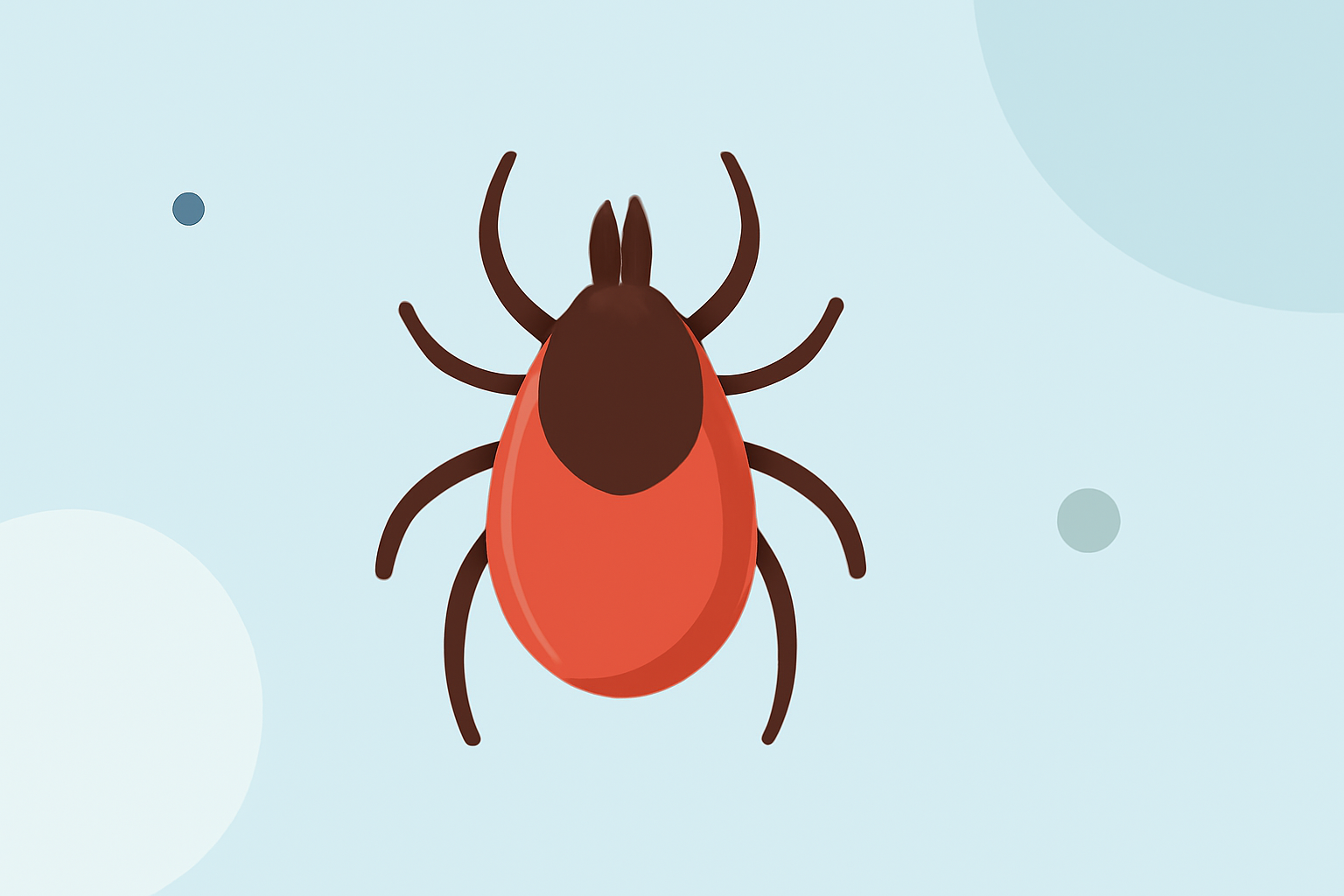
As summer approaches, travelers across the United States should be aware of tick activity to ensure a safe and enjoyable journey. Ticks are most active from April to September, with peak activity varying by region and species. (terminix.com)
Understanding Tick Activity by Region
-
Northeast (e.g., New York, Pennsylvania): Tick activity begins in late March and continues through November, with peak nymph activity from May to July and adult activity in October and November. (bitebackdefense.com)
-
Mid-Atlantic (e.g., Maryland, Virginia): Ticks are active from March to November, with peak activity in April to July and a second peak in September and October. (bitebackdefense.com)
-
Midwest (e.g., Illinois, Iowa): Tick season typically spans from April to October, with peak activity in May and June. (biologyinsights.com)
-
South (e.g., Florida, Texas): In warmer climates, ticks can remain active year-round, with heightened activity during the warmer months. (terminix.com)
Recent Trends in Tick Activity
In 2026, tick season has started earlier than usual, with an unusually high number of bites reported across the country. This early surge has raised concerns among health experts about a potential increase in tick-borne diseases. (latimes.com)
Preventive Measures for Travelers
To minimize the risk of tick bites during your travels:
-
Use Tick Repellents: Apply products containing DEET or permethrin to exposed skin and clothing.
-
Wear Protective Clothing: Opt for long-sleeved shirts, long pants, and tuck pants into socks to reduce skin exposure.
-
Stay on Trails: Stick to cleared paths and avoid brushing against vegetation where ticks may reside.
-
Perform Tick Checks: After outdoor activities, thoroughly check your body and clothing for ticks.
-
Shower Promptly: Showering within two hours of being outdoors can help remove unattached ticks.
Tick Removal and Monitoring
If you find a tick attached to your skin:
-
Use Fine-Tipped Tweezers: Grasp the tick as close to the skin's surface as possible.
-
Pull Upward with Steady Pressure: Avoid twisting or jerking to prevent the mouthparts from breaking off.
-
Clean the Area: Wash the bite area and your hands with rubbing alcohol, an iodine scrub, or soap and water.
-
Monitor for Symptoms: Keep an eye out for signs like fever, rash, or fatigue in the weeks following the bite.
Utilizing Clime for Travel Planning
Clime offers comprehensive weather forecasts and real-time updates, allowing travelers to plan their activities with confidence. By integrating Clime into your travel preparations, you can stay informed about local conditions and make timely decisions to avoid tick-prone areas.
Conclusion
Being proactive about tick prevention is crucial for a safe travel experience in the United States. By understanding regional tick activity patterns and implementing preventive measures, you can enjoy your journey with peace of mind.
Highlights:
- Tick season seems to be off to a fast start, and some experts worry about future illnesses - Los Angeles Times, Published on Sunday, April 26
- Tick season seems to be off to a fast start, and some experts worry about future illnesses - The Washington Post, Published on Friday, April 24
- Why the U.S. tick season could be the worst in a decade - The Weather Network, Published on Saturday, May 09