
Tick Season Outlook: Mistakes to Avoid During Heat Waves
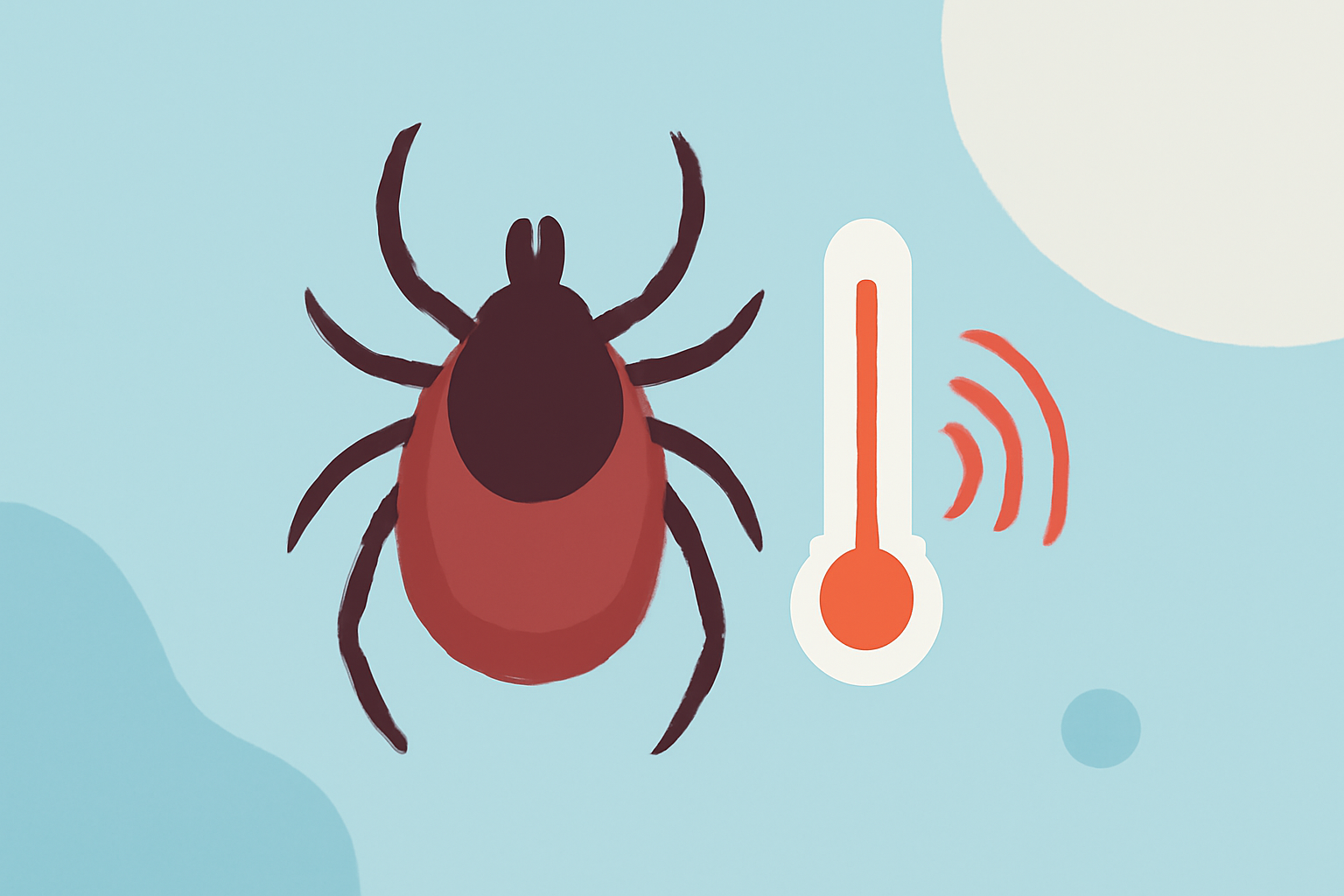
As heat waves become more frequent, understanding tick behavior and implementing effective prevention strategies are crucial to protect yourself and your loved ones.
Understanding Tick Behavior During Heat Waves
Ticks are most active during warmer months, typically from April through September. However, in recent years, milder winters have extended their activity, making them a year-round concern in many regions. Heat waves can influence tick behavior, as they thrive in warm, humid environments. During such periods, ticks may become more active, increasing the risk of bites and the transmission of tick-borne diseases.
Common Mistakes to Avoid
-
Neglecting Tick Checks: After spending time outdoors, especially in wooded or grassy areas, it's essential to perform thorough tick checks. Ticks can attach to any part of the body, so a comprehensive inspection is necessary. A brief once-over may miss ticks that have attached in less obvious areas. (mother.ly)
-
Inadequate Clothing Protection: Wearing long sleeves and pants tucked into socks can help prevent ticks from reaching your skin. Opting for light-colored, tightly woven fabrics makes ticks easier to spot. Failing to dress appropriately increases the risk of tick bites. (health.ucdavis.edu)
-
Ignoring Environmental Management: Ticks prefer shaded, moist environments with dense vegetation. Keeping your lawn tidy, creating mulch or gravel barriers between your yard and wild areas, and reducing attractions for animal hosts can help lower the number of ticks in your yard. Neglecting these measures can lead to higher tick populations near your home. (tomsguide.com)
-
Overlooking Tick-Proofing Gear: Treating clothing and gear with products containing 0.5% permethrin can provide additional protection. Permethrin-treated clothing and gear remain protective through several washings. Failing to use such treatments can leave you more susceptible to tick bites. (restoredcdc.org)
-
Delaying Tick Removal: If a tick has attached, time is key. The longer it remains attached, the greater your risk of contracting tick-borne diseases. Use fine-tipped tweezers to remove the tick as soon as possible. Delaying removal increases the risk of disease transmission. (newsnetwork.mayoclinic.org)
Protecting Yourself During Heat Waves
During heat waves, ticks may become more active, increasing the risk of bites and the transmission of tick-borne diseases. To protect yourself:
-
Stay Informed: Be aware of tick activity in your area, especially during heat waves.
-
Use Repellents: Apply EPA-registered insect repellents containing DEET, picaridin, or oil of lemon eucalyptus to exposed skin.
-
Wear Protective Clothing: Dress appropriately to reduce exposure to ticks.
-
Manage Your Environment: Implement strategies to reduce tick habitats around your home.
By understanding tick behavior during heat waves and avoiding common mistakes, you can significantly reduce the risk of tick bites and the diseases they may carry.
Highlights:
- How to avoid tick bites this summer - top tips from a pest expert on how to stay safe, Published on Friday, August 01