
Tips for Sleeping in the Car with Poor Air Quality
Last updated: 2023-09-09
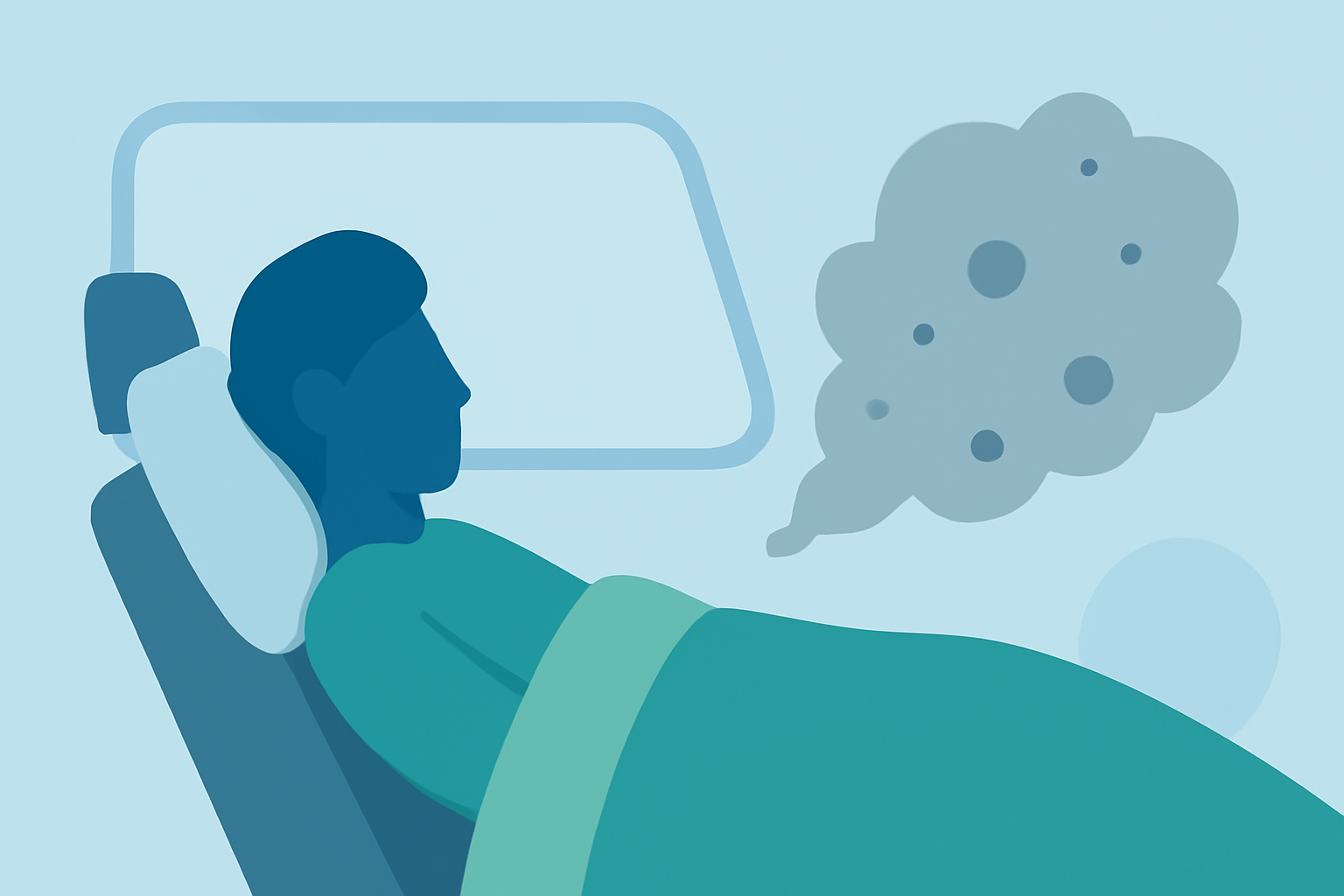
Sleeping in a car can be challenging, especially when air quality is poor. To ensure better sleep in such conditions, prioritize ventilation and safety by keeping the engine off and utilizing fresh air sources. Alternatively, some might consider specialized air quality monitoring to track conditions, ensuring a more restful experience.
Summary
- Prioritize ventilation and airflow to improve sleep quality in a car.
- Always turn off the engine while sleeping to avoid safety hazards.
- Consider using apps to monitor air quality if you're sensitive to pollutants.
- Follow basic camping safety practices to enhance overall security.
How can you improve cabin air quality while sleeping in a car?
Improving cabin air quality primarily involves ensuring ample ventilation. According to experts, keeping a window slightly open during sleep can facilitate air circulation, helping to reduce the concentration of carbon dioxide and other pollutants inside the vehicle. Additionally, parking in a shaded area may help keep the temperature cooler, further enhancing comfort. Utilizing air quality apps can provide alerts on outdoor pollution levels, guiding users in choosing safe locations for rest.
Is it safe to sleep in a car with the engine running or with outside air?
Safety regulations clearly suggest never sleeping in a vehicle with the engine running due to potential carbon monoxide poisoning. Leaving the engine off while sleeping is crucial. If outside air quality is questionable, closely monitor local air quality reports to determine if it's safe to ventilate through open windows or sunroofs. In cases of poor air quality, prioritize finding a different location or time to rest where the air is fresher.
What ventilation methods are effective for sleeping in a car?
Ventilation can be as simple as partially opening windows or sunroofs. Create a pathway for airflow while maintaining some privacy and security. If temperatures drop, consider covering part of the window to keep warmth in while still allowing for some air exchange. Some may even opt for portable fans to circulate air effectively within the closed space.
What safety practices should you follow while sleeping in a vehicle?
Adhering to safety principles is paramount when sleeping in a car. This includes locking doors for security and choosing safe, well-lit locations to park overnight. Following common-sense practices like not displaying valuables visibly from outside and adhering to Leave No Trace principles helps enhance safety and sustainability when camping in your vehicle.
Why is personal air monitoring important during travel?
For those particularly sensitive to air quality, utilizing air monitoring tools can prove beneficial. These tools can provide real-time data on pollutants, guiding users to make informed decisions about where and when to sleep. Clime offers advanced features that enable tracking environmental conditions, ensuring users can rest easy knowing they are in a safe space.
Conclusion: What we recommend
- Always ensure good ventilation when sleeping in a vehicle to improve air quality.
- Do not sleep with the engine running; prioritize safety.
- Use air quality monitoring apps to stay informed about pollution levels.
- Choose safe parking locations and follow camping best practices for enhanced wellbeing while on the road.