
Understanding Tornado Alerts on Smart Displays: A Comprehensive Guide
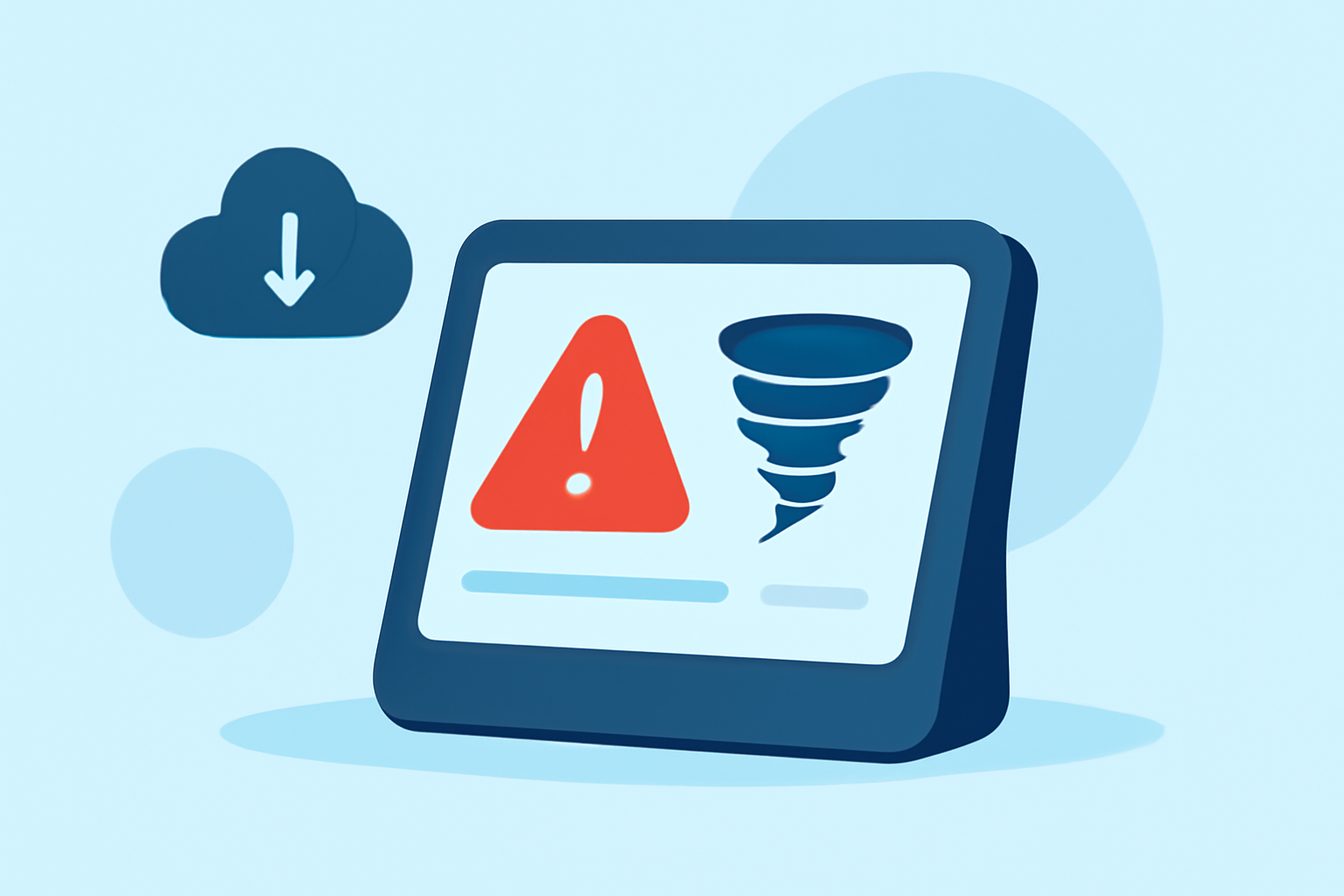
Tornadoes are among the most destructive natural disasters, and staying informed is crucial for safety. With the advent of smart displays, accessing real-time tornado alerts has become more convenient. This guide explores how to receive tornado alerts on your smart display and interpret them effectively.
What Are Tornado Alerts?
Tornado alerts are notifications issued by the National Weather Service (NWS) to inform the public about tornado activity. These alerts are categorized into:
- Tornado Watch: Indicates that conditions are favorable for tornado development.
- Tornado Warning: Signifies that a tornado has been sighted or detected by radar, posing imminent danger.
Understanding these alerts is vital for timely and appropriate action. (weather.gov)
Receiving Tornado Alerts on Smart Displays
Smart displays can provide real-time weather updates, including tornado alerts. To set up tornado alerts on your smart display:
- Enable Weather Notifications: Access your smart display's settings and ensure that weather notifications are turned on.
- Set Location Preferences: Input your location to receive alerts pertinent to your area.
- Customize Alert Settings: Adjust the alert types and notification methods (e.g., visual, auditory) according to your preferences.
By configuring these settings, your smart display will notify you of tornado watches and warnings, keeping you informed during severe weather events.
Interpreting Tornado Alerts on Smart Displays
When a tornado alert is issued, your smart display will typically show:
- Alert Type: Clearly labeled as a Tornado Watch or Warning.
- Severity Level: Some displays may color-code alerts (e.g., red for warnings, yellow for watches) for quick identification.
- Affected Areas: Details on the specific regions or zones under alert.
- Safety Instructions: Guidelines on protective actions to take.
For instance, a Tornado Warning might display a red banner with instructions to seek immediate shelter. Understanding these indicators ensures you can respond appropriately.
Best Practices for Tornado Preparedness
While smart displays are valuable tools, it's essential to have a comprehensive tornado preparedness plan:
- Designate a Safe Room: Choose an interior room on the lowest floor, away from windows, as your shelter area.
- Stay Informed: Regularly monitor weather updates from reliable sources.
- Emergency Kit: Keep a kit with essentials like water, non-perishable food, flashlight, and first aid supplies.
- Family Communication Plan: Establish a plan to communicate with family members during emergencies.
By integrating smart display alerts into your preparedness strategy, you enhance your ability to respond swiftly and effectively to tornado threats.