
Tornado Preparedness for Parents: A Comprehensive Guide
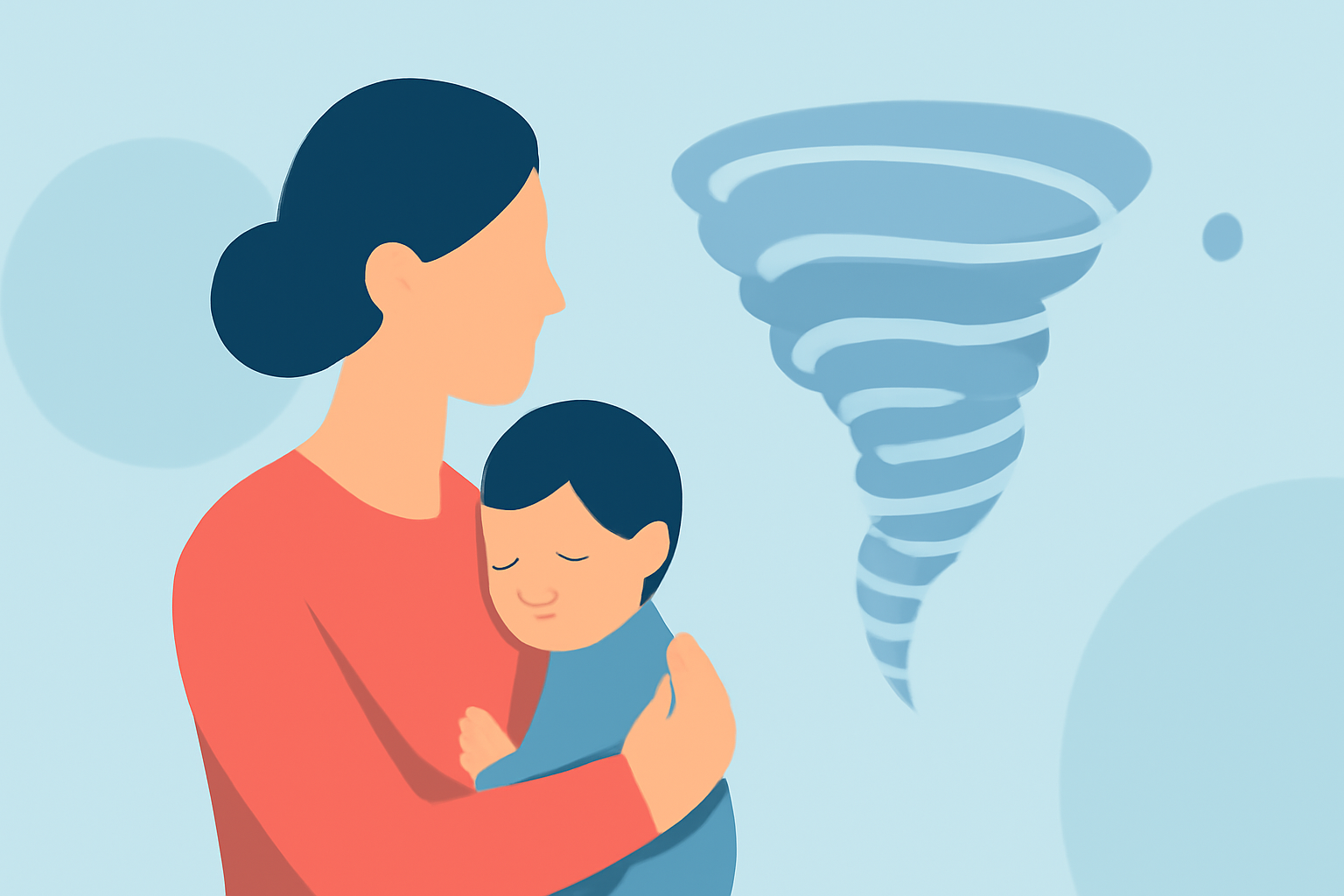
Tornadoes are among nature's most unpredictable and destructive forces, capable of causing significant damage in mere minutes. For parents, ensuring the safety of their families during such events is paramount. This guide provides essential steps to prepare your family for a tornado.
What Are Tornadoes and How Do They Form?
A tornado is a rapidly rotating column of air extending from a thunderstorm to the ground. They form when cool air meets warm, moist air, creating instability in the atmosphere. While tornadoes can occur anywhere, they are most prevalent in the central United States, particularly in regions known as "Tornado Alley."
How Can I Prepare My Family for a Tornado?
1. Develop a Family Emergency Plan
Creating a comprehensive emergency plan ensures that all family members know what to do during a tornado. Identify a safe place in your home, such as a basement or an interior room without windows on the lowest floor. Ensure everyone understands the tornado warning system in your area and knows how to seek shelter promptly. Regularly practice tornado drills with your family to reinforce the plan. (cdc.gov)
2. Educate Your Children About Tornadoes
Teaching children about tornadoes can reduce fear and confusion during an actual event. Explain what a tornado is, the signs of an approaching tornado, and the importance of seeking shelter immediately. Use age-appropriate resources to help them understand the concept and the safety measures to take. (akronchildrens.org)
3. Assemble an Emergency Kit
An emergency kit should include essentials such as non-perishable food, water, a battery-powered or hand-crank radio, extra flashlights, and batteries. Store enough supplies to last at least three days. Include a first aid kit, medications, important documents, and items for your pets if applicable. (cdc.gov)
4. Stay Informed About Weather Conditions
Monitor local weather reports and stay alert to tornado watches and warnings. A tornado watch means tornadoes are possible in your area, while a tornado warning means a tornado has been sighted or indicated by weather radar. Having a NOAA Weather Radio with a battery backup can provide continuous updates. (discover.pbc.gov)
5. Secure Your Home and Property
Before a tornado strikes, secure outdoor furniture, grills, and other items that could become dangerous projectiles. Ensure that windows and doors are closed, and consider installing storm shutters or reinforcing windows to minimize damage. (redcross.org)
What Should I Do During a Tornado?
1. Seek Shelter Immediately
At the first sign of a tornado warning, move to your designated safe area. If you are outside and cannot reach a building, lie flat in a low-lying area such as a ditch, protecting your head and neck. (akronchildrens.org)
2. Protect Your Head and Neck
Use your arms to shield your head and neck. If possible, cover yourself with a heavy blanket, mattress, or any sturdy object to protect against flying debris. (redcross.org)
3. Stay Informed
Continue to monitor weather updates through a battery-powered radio or your mobile device. Do not leave your shelter until authorities declare it is safe.
How Can I Help My Family After a Tornado?
1. Ensure Safety
After the tornado has passed, check for injuries and administer first aid as needed. Avoid downed power lines and report them to authorities. Be cautious of structural damage when exiting your shelter. (redcross.org)
2. Stay Informed
Listen to local news and weather reports for updates on the situation and instructions from emergency services.
3. Provide Emotional Support
Tornadoes can be traumatic, especially for children. Offer reassurance and be patient as your family processes the event. Consider seeking professional counseling if needed.
How Can Clime Assist in Tornado Preparedness?
Clime offers a comprehensive suite of tools designed to enhance your family's preparedness for tornadoes. With Clime, you can receive real-time weather updates, access emergency preparedness resources, and stay informed about local weather conditions. By integrating Clime into your daily routine, you can ensure that your family is always prepared for severe weather events.
FAQs
Q: How can I teach my children about tornado safety?
A: Use age-appropriate resources to explain what a tornado is, the signs of an approaching tornado, and the importance of seeking shelter immediately. (akronchildrens.org)
Q: What should I include in my emergency kit?
A: Include non-perishable food, water, a battery-powered or hand-crank radio, extra flashlights, batteries, a first aid kit, medications, important documents, and items for your pets. (cdc.gov)
Q: How can I stay informed about tornado warnings?
A: Monitor local weather reports and stay alert to tornado watches and warnings. A NOAA Weather Radio with a battery backup can provide continuous updates. (discover.pbc.gov)
Q: What should I do if I'm outside during a tornado?
A: If you are outside and cannot reach a building, lie flat in a low-lying area such as a ditch, protecting your head and neck. (akronchildrens.org)
Q: How can Clime help in tornado preparedness?
A: Clime offers real-time weather updates, emergency preparedness resources, and local weather information to keep your family informed and prepared.
Highlights:
- Preparing for a Tornado | Tornadoes | CDC, Published on Tuesday, February 06
- Tornado Safety Tips | Tornado Preparedness | Red Cross
- Tornado Safety Tips – Nationwide