
Tornado Season Outlooks: A Comprehensive Checklist
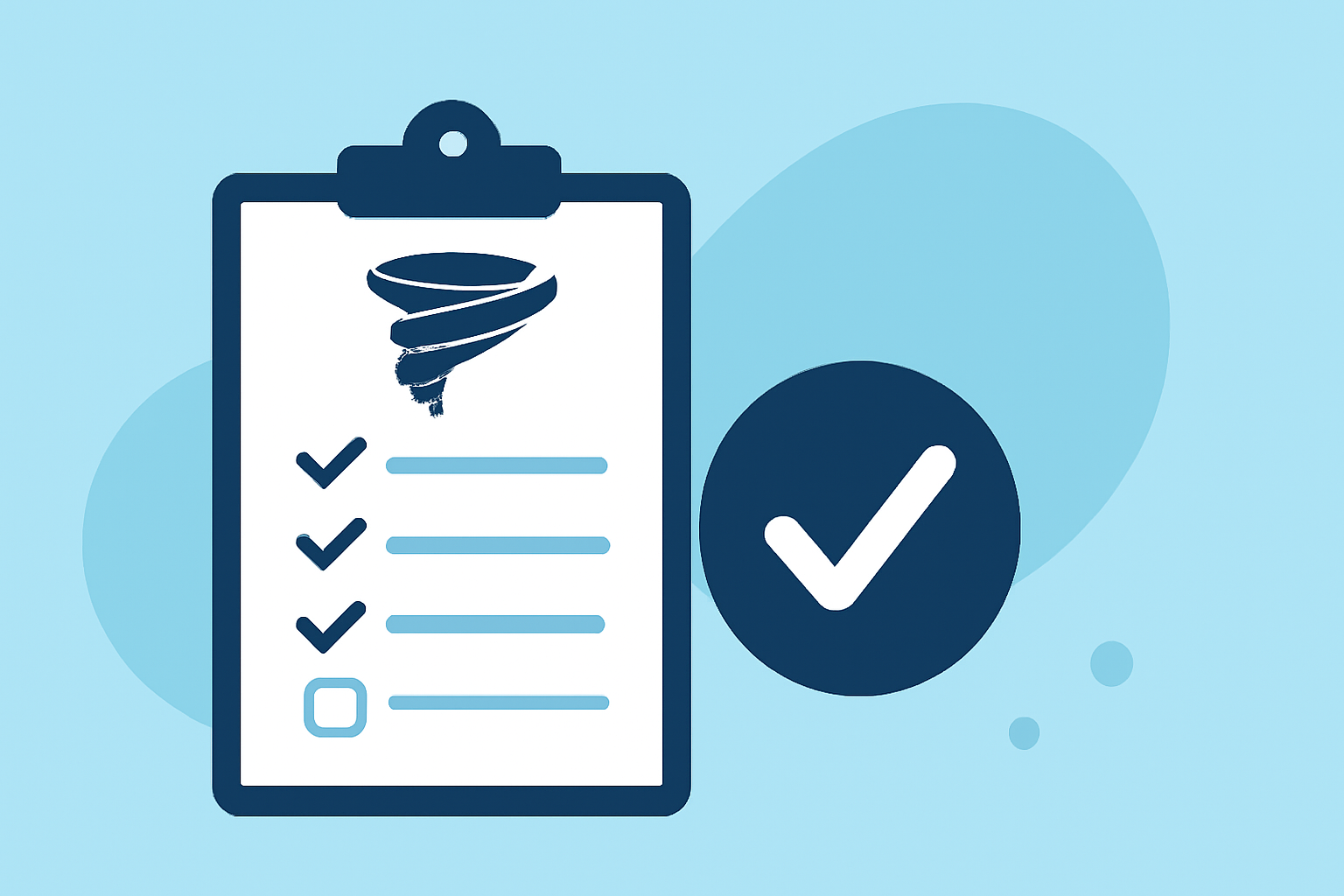
Tornadoes are among the most destructive natural disasters, capable of causing significant damage and loss of life. In the United States, tornado season typically spans from March to June, with peak activity in April and May. Understanding and preparing for tornado season is crucial for ensuring safety and minimizing potential damage.
1. Monitor Official Weather Forecasts
Stay informed by regularly checking updates from the National Oceanic and Atmospheric Administration (NOAA). The Storm Prediction Center (SPC) provides detailed forecasts for severe weather, including tornadoes, across the continental United States. These forecasts are updated multiple times daily and offer both categorical and probabilistic risk information. (origin-west-www-spc.woc.noaa.gov)
2. Understand Tornado Watches and Warnings
Familiarize yourself with the terminology used by weather authorities:
-
Tornado Watch: Indicates that conditions are favorable for tornado development.
-
Tornado Warning: Means a tornado has been sighted or detected by radar.
Act promptly when a warning is issued, as tornadoes can develop rapidly.
3. Develop a Safety Plan
Create a comprehensive tornado safety plan that includes:
-
Designated Safe Areas: Identify the safest locations in your home, such as basements or interior rooms on the lowest floor.
-
Emergency Kit: Assemble a kit with essentials like water, non-perishable food, medications, flashlights, and important documents.
-
Communication Strategy: Establish how family members will communicate during an emergency.
4. Stay Alert to Climate Variability
Be aware that climate variability can influence tornado activity. While specific links between climate change and tornado frequency are complex, understanding these patterns can aid in preparedness. NOAA provides resources on tornadoes, climate variability, and climate change to help the public stay informed. (repository.library.noaa.gov)
5. Utilize Clime for Enhanced Preparedness
Clime offers advanced weather monitoring tools that provide real-time updates and alerts, helping you stay informed about severe weather conditions. By integrating Clime into your preparedness plan, you can receive timely notifications and access detailed forecasts, ensuring you have the information needed to make informed decisions during tornado season.
By following this checklist and leveraging Clime's capabilities, you can enhance your preparedness for tornado season, ensuring the safety of yourself and your loved ones.