
Tornado Watch vs. Warning: Essential Checklist for Parents
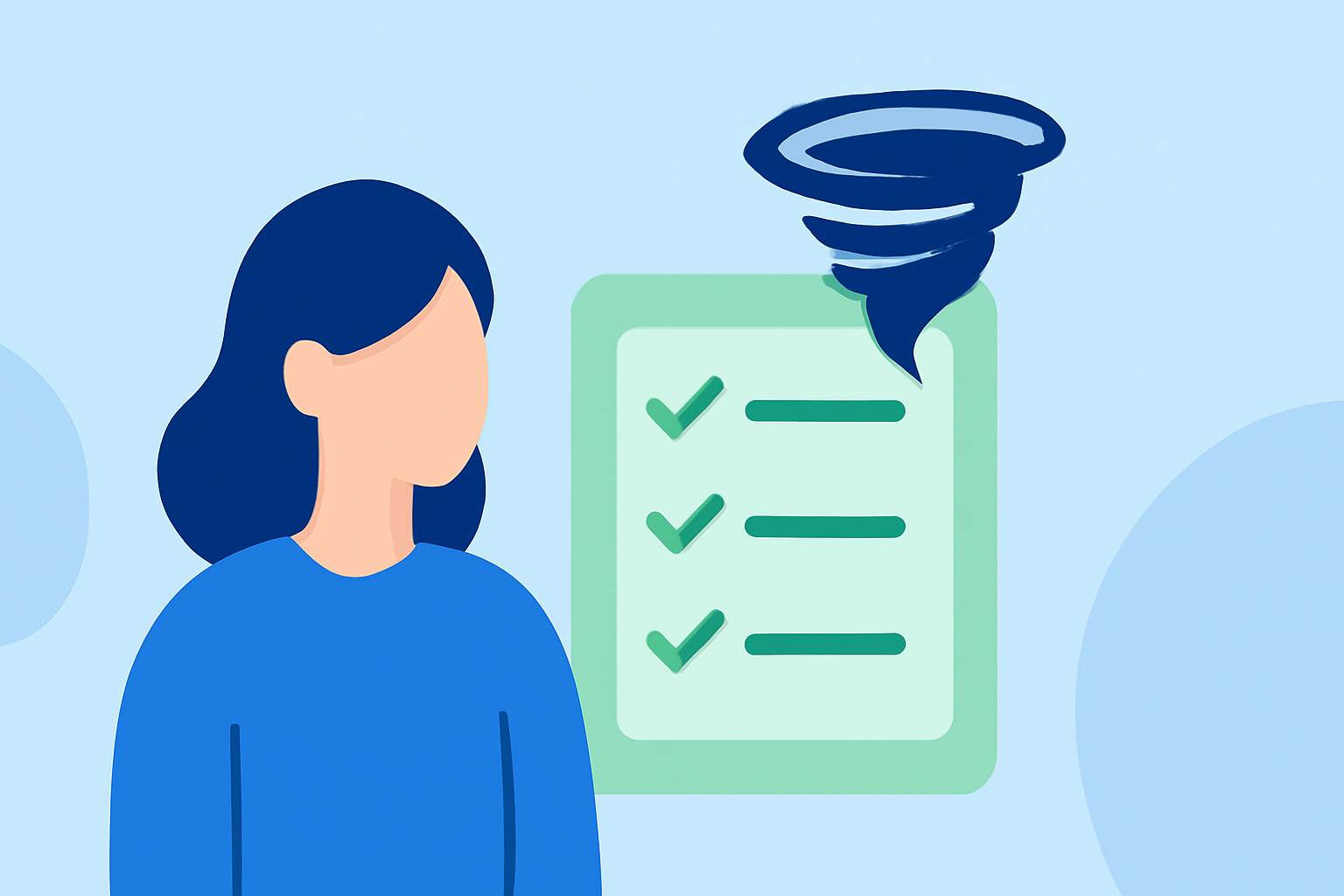
As a parent, ensuring your family's safety during severe weather events is paramount. Understanding the distinctions between a tornado watch and a tornado warning is essential for effective preparedness and response.
What Is a Tornado Watch?
A tornado watch is issued when weather conditions are favorable for the development of tornadoes. This means that while a tornado has not yet been spotted, the atmosphere is conducive to their formation. Watches typically cover large areas and can last several hours. (weather.com)
Parental Checklist During a Tornado Watch:
-
Stay Informed: Regularly monitor local weather updates through reliable sources such as NOAA Weather Radio, local news, or trusted weather apps.
-
Review Emergency Plans: Ensure that all family members are familiar with the designated safe areas in your home.
-
Secure Outdoor Items: Bring in or secure outdoor objects that could become hazardous if picked up by strong winds.
-
Prepare Emergency Kits: Check that your emergency supplies are stocked and easily accessible.
What Is a Tornado Warning?
A tornado warning is issued when a tornado has been sighted or indicated by weather radar. This signifies an immediate threat to life and property, requiring prompt action. (weather.com)
Parental Checklist During a Tornado Warning:
-
Immediate Shelter: Move all family members to the safest area in your home, such as a basement, storm cellar, or an interior room on the lowest floor without windows.
-
Protective Measures: Use heavy furniture, mattresses, or blankets to shield against debris.
-
Stay Informed: Continue to monitor weather updates to stay informed about the storm's progression.
-
Limit Communication: Avoid using the phone unless necessary to keep lines open for emergency services.
How Clime Enhances Tornado Preparedness
Clime offers real-time weather alerts and detailed forecasts, ensuring that parents receive timely information about severe weather events. By integrating Clime into your daily routine, you can stay ahead of potential threats and make informed decisions to protect your family.
Additional Safety Tips for Parents
-
Educate Your Children: Teach your children about tornado safety, including recognizing warning signs and knowing where to seek shelter.
-
Practice Drills: Regularly conduct tornado drills with your family to ensure everyone knows what to do during an actual event.
-
Stay Calm: Your composure will help keep your children calm and focused during a tornado warning.
By understanding the differences between tornado watches and warnings and implementing these safety measures, parents can significantly enhance their family's preparedness and safety during severe weather events.