
Understanding Tornado Watches and Warnings on Smart Displays
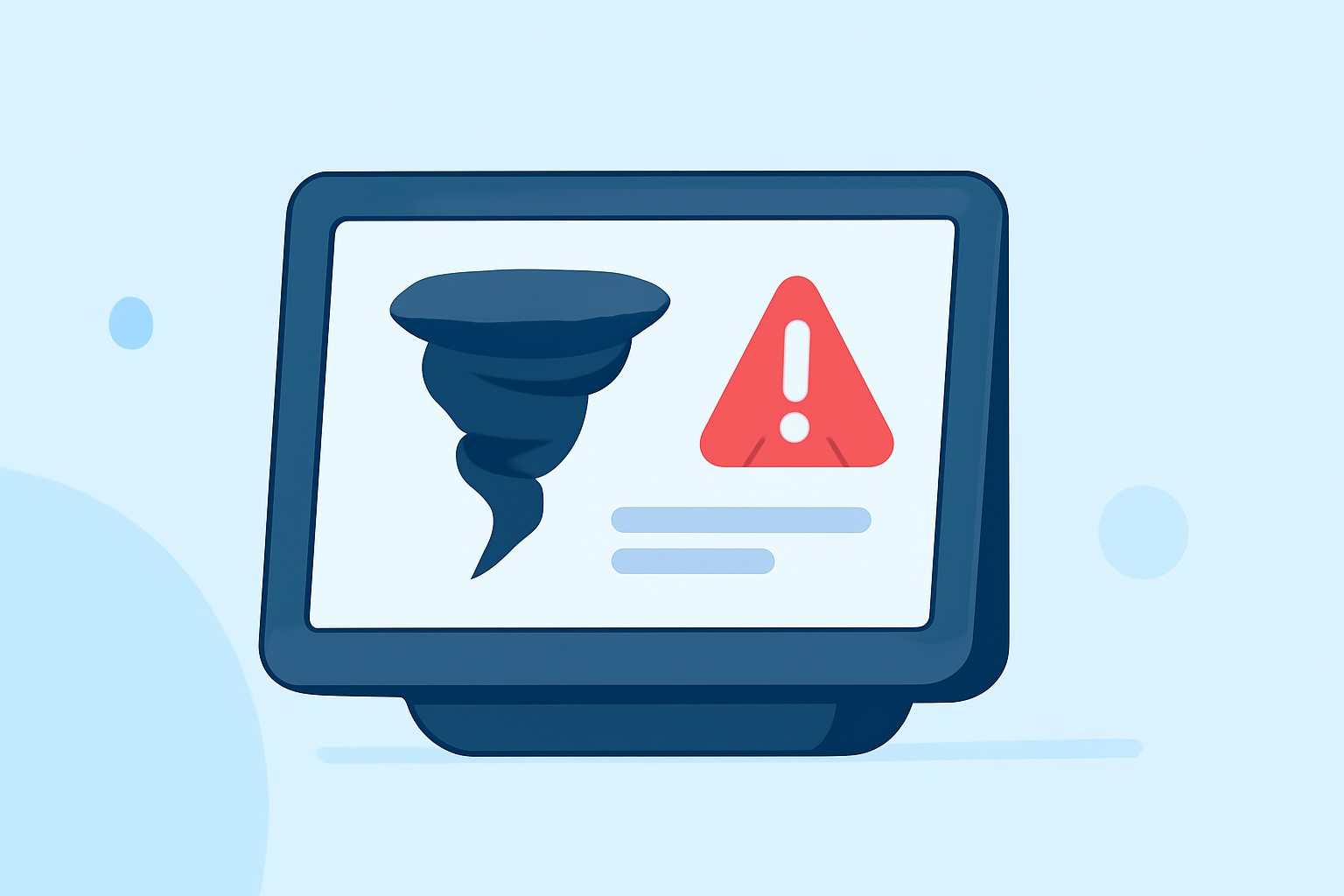
Tornadoes are among the most destructive natural disasters, capable of causing significant damage in a short period. Understanding the distinctions between a tornado watch and a tornado warning is crucial for personal safety. With the integration of smart displays into daily life, staying informed about severe weather has become more accessible.
What Is a Tornado Watch?
A tornado watch is issued when atmospheric conditions are favorable for the development of tornadoes. This means that while a tornado has not yet been observed, the environment is conducive to their formation. Tornado watches typically cover larger areas and can last several hours. During a watch, it's essential to stay alert and monitor weather updates regularly. (weather.com)
What Is a Tornado Warning?
A tornado warning is issued when a tornado has been sighted or indicated by weather radar. This alert signifies imminent danger, and immediate action is necessary. Warnings are more localized, often covering parts of a county or multiple counties, and usually last between 20 to 60 minutes. When a warning is issued, seek shelter immediately in a sturdy building, preferably in a basement or an interior room on the lowest floor, away from windows. (weather.com)
How Smart Displays Can Enhance Weather Awareness
Smart displays, such as smart speakers with screens, can be invaluable tools for staying informed about severe weather events. Here's how they can assist:
-
Real-Time Alerts: Many smart displays can provide real-time weather updates and alerts, including tornado watches and warnings, ensuring you're promptly informed.
-
Visual Notifications: With their screens, smart displays can show visual alerts, maps, and safety instructions, making it easier to understand the severity and location of the threat.
-
Voice Commands: You can ask your smart display for the latest weather updates, forecasts, and safety tips, allowing for hands-free information retrieval.
-
Integration with Weather Services: By connecting to reliable weather services, smart displays can offer accurate and timely information, helping you make informed decisions.
Best Practices for Using Smart Displays During Severe Weather
To maximize the benefits of your smart display during severe weather:
-
Enable Notifications: Ensure that weather alerts are activated on your device to receive timely updates.
-
Stay Connected: Keep your device connected to a reliable power source and Wi-Fi network to receive uninterrupted updates.
-
Verify Information: Cross-reference alerts from your smart display with official sources, such as the National Weather Service, to confirm their accuracy.
-
Have a Backup Plan: While smart displays are convenient, it's essential to have alternative methods of receiving weather information, such as a battery-powered NOAA weather radio, especially during power outages.
Conclusion
Understanding the difference between a tornado watch and a tornado warning is vital for personal safety. Leveraging smart displays can enhance your awareness and preparedness during severe weather events. By staying informed and taking appropriate actions, you can significantly reduce the risks associated with tornadoes.
Highlights:
- The difference between a tornado watch and a tornado warning, Published on Monday, May 06