
A Step-by-Step Guide to Tracking Turbulence-Prone Routes
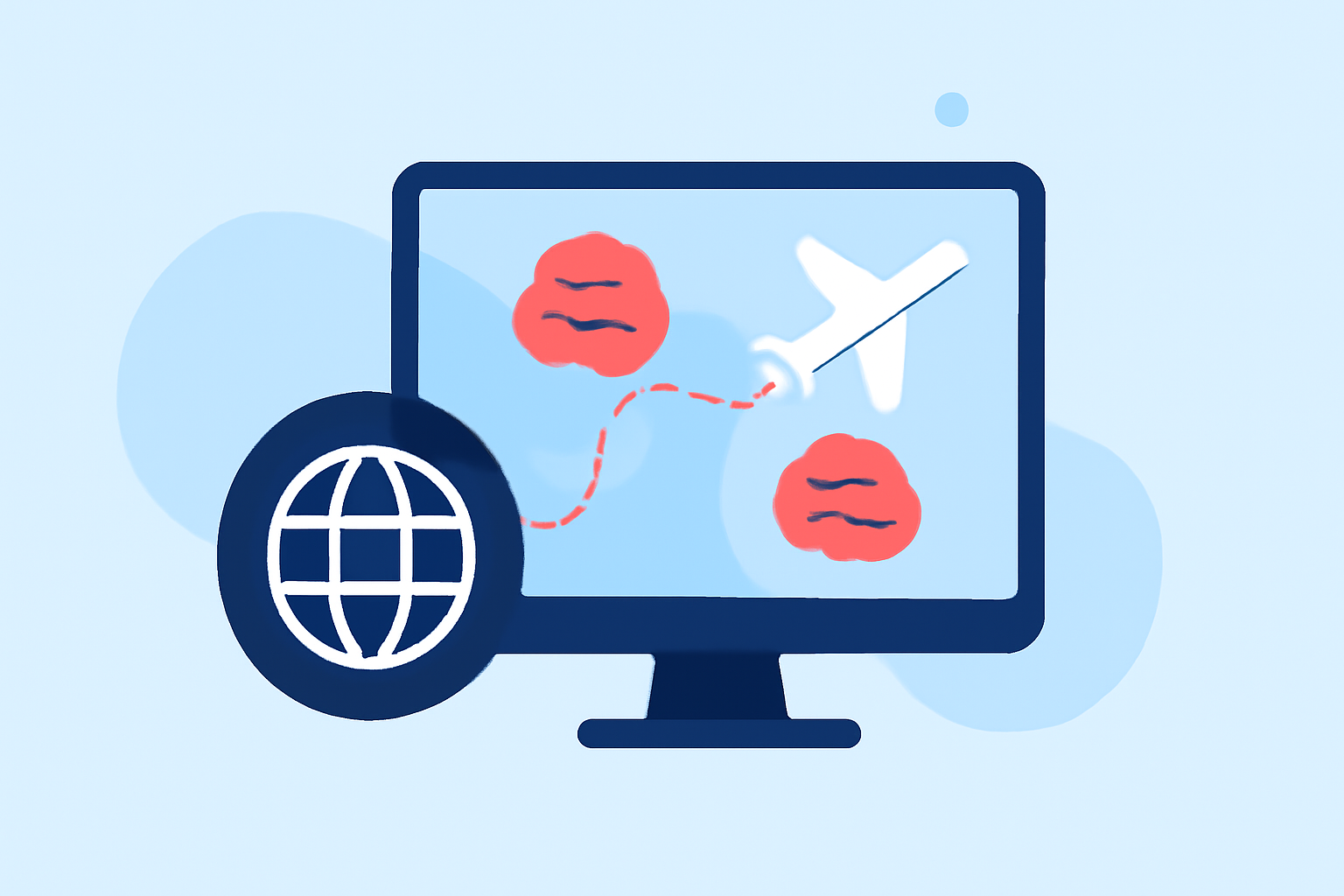
Turbulence is an unpredictable and often unsettling aspect of air travel, characterized by irregular motion of an aircraft due to rapid variations in atmospheric wind velocities. Understanding and tracking turbulence-prone routes is essential for pilots and passengers seeking a smoother flight experience.
What Causes Turbulence?
Turbulence arises from several atmospheric conditions:
-
Convective Currents: Uneven surface heating during the day causes pockets of air to rise, leading to turbulence, especially at low altitudes.
-
Obstructions to Wind Flow: Natural and man-made structures like mountains, buildings, and trees disrupt wind flow, creating turbulent eddies.
-
Wind Shear: Rapid changes in wind speed and direction over short distances, often found near jet streams, can generate turbulence.
How Is Turbulence Intensity Classified?
Turbulence is categorized based on its severity:
-
Light: Slight, momentary changes in altitude or attitude; minimal discomfort.
-
Moderate: Greater intensity; may cause changes in altitude or attitude but remains controllable.
-
Severe: Large, abrupt changes; may cause momentary loss of control.
-
Extreme: Uncontrollable; may cause structural damage.
How Do Pilots Track Turbulence-Prone Routes?
-
Pre-Flight Planning: Review weather forecasts, including AIRMETs and SIGMETs, which provide information on expected turbulence along flight routes.
-
In-Flight Monitoring: Stay updated with real-time weather data and pilot reports (PIREPs) to identify and avoid turbulent areas.
-
Utilize Advanced Tools: Leverage specialized aviation weather services that offer detailed turbulence forecasts and real-time updates.
How Can Passengers Benefit from This Information?
While passengers cannot directly access pilot-specific tools, staying informed about general weather patterns and turbulence-prone regions can help set expectations and reduce anxiety.
How Does Planes Live Enhance Turbulence Tracking?
Planes Live offers real-time flight tracking and detailed weather overlays, allowing users to monitor turbulence-prone routes effectively. Its user-friendly interface provides up-to-date information, aiding in better flight planning and awareness.
Conclusion
Understanding the causes and tracking methods of turbulence is crucial for ensuring a safer and more comfortable flight experience. Utilizing tools like Planes Live can significantly enhance this process, providing valuable insights for both pilots and passengers.