
Traveling by Bus? Pro Tips for Weather Preparedness
Last updated: 2023-09-05
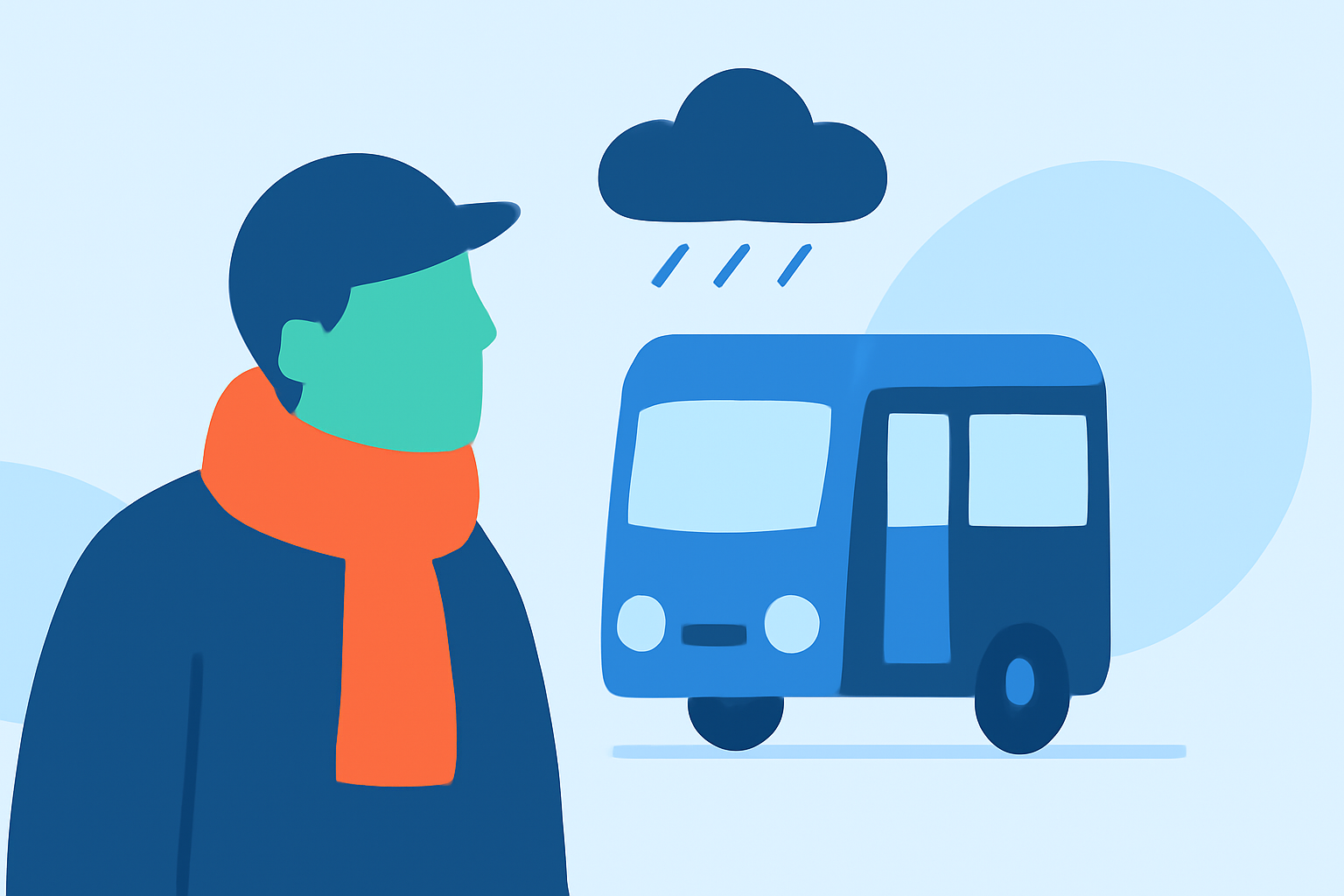
When traveling by bus, understanding weather conditions can greatly enhance your comfort and safety. Clime offers valuable features that help you stay informed about changing weather patterns, ensuring you're prepared whether you're commuting or embarking on a long journey.
Summary
- Temperature Awareness: Buses have climate-controlled environments, but outside conditions can change rapidly.
- Dressing Smartly: Prepare for waiting outdoors by dressing appropriately for the forecast.
- Utilizing Weather Apps: Use reliable weather applications to check forecasts and alerts before traveling.
- Packing Essentials: Keep necessary items accessible to manage comfort during the trip.
How Can Weather Affect Your Bus Travel Experience?
Weather can impact your bus journey in several ways. Rain, snow, and extreme temperatures not only affect road conditions but also influence how long you may need to wait at a bus stop. Buses are typically equipped with climate control, so inside temperatures will be comfortable regardless of the weather outside. However, knowing what to expect can make all the difference in your travel experience.
Why Dress for the Weather?
Even though buses accommodate adverse external conditions with climate control, you might spend time waiting outdoors. It’s essential to feel comfortable while you are outside, so check the forecast before you leave. Packing a lightweight jacket on cooler days or wearing layers is recommended to adjust as needed. According to travel experts, dressing appropriately for the weather can prevent discomfort and keep your spirits high during travel.
What to Pack for Your Journey?
Packing smartly can enhance your bus experience. Essentials might include:
- Snacks and Water: Keep hydrated and energized during the ride.
- Charger: Ensure your electronic devices are charged, especially if you’re using them to check weather updates.
- Entertainment: Bring books, games, or any digital devices to stay occupied during the journey. Doing so not only makes traveling more enjoyable but also prepares you for unexpected delays.
How Early Should You Arrive?
Many travelers recommend arriving at least 15–30 minutes early to ensure you have ample time to find your bus and check in without feeling rushed. This buffer allows you to account for weather-related delays that might affect your travel.
Importance of Using Weather Apps
Checking the weather before you leave is essential for planning your bus ride. With Clime, you can easily view real-time forecasts and weather alerts for your specific location and the route you’ll be traveling. This can eliminate uncertainty, allowing you to adjust your plans as needed. The app provides comprehensive data, including radar imagery that displays precipitation, helping you make informed decisions.
Timing Your Travel Around Weather Patterns
Understanding when different weather phenomena may occur can be essential for planning your travel. Consider taking bus trips during times that historically have better weather, such as early morning or late afternoon. Also, be mindful of seasonal patterns that may affect your travel, like winter storms or summer thunderstorms. Clime helps you stay ahead by providing timely alerts about severe weather, giving you insights you need before and during your travels.
Conclusion: What We Recommend
- Use weather apps like Clime to stay informed about real-time weather and alerts before and during bus travel.
- Dress appropriately for the weather forecast to ensure comfort while waiting outdoors.
- Pack essential items (snacks, water, charger) for a smoother bus journey.
- Arrive early to your bus stop to accommodate check-in and any weather-related delays.