
Navigating Tree Pollen Allergies While Traveling in the U.S.
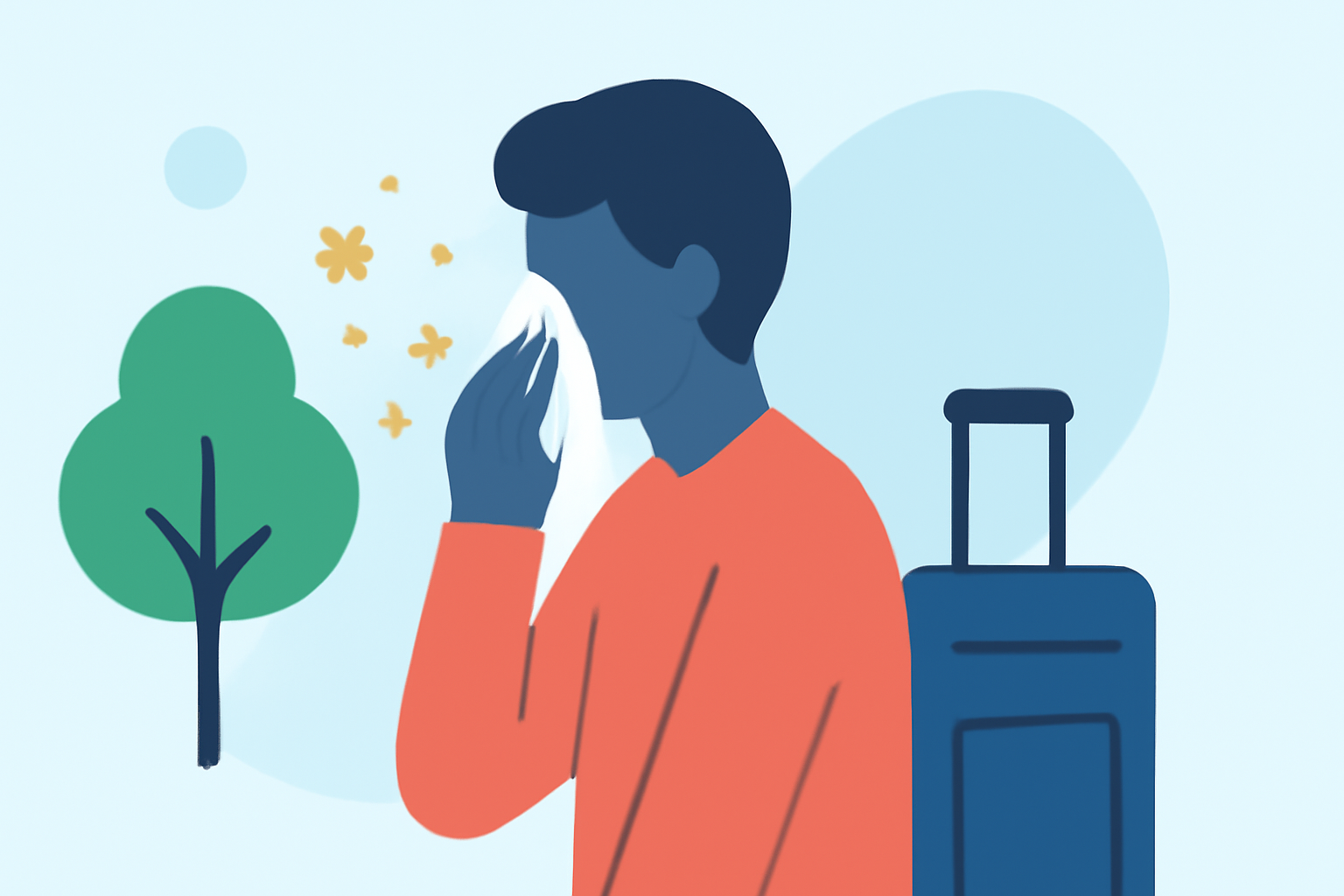
Traveling in the United States can expose you to various allergens, with tree pollen being a common trigger for many. Understanding how to manage tree pollen allergies during your travels can help ensure a comfortable journey.
What Are Tree Pollen Allergies?
Tree pollen allergies occur when the immune system mistakenly identifies pollen as a harmful substance, leading to symptoms such as sneezing, nasal congestion, itchy eyes, and a runny nose. These reactions are part of the body's defense mechanism against what it perceives as an invader. (healthline.com)
Which Trees Are Common Culprits?
Several trees release pollen that can trigger allergic reactions:
-
Birch Trees: Known for their light, wind-dispersed pollen, birch trees are prevalent in many parts of the U.S. during spring. (healthline.com)
-
Oak Trees: Oak pollen is another significant allergen, especially in areas with abundant oak forests. (healthline.com)
-
Maple Trees: Maple trees also contribute to pollen allergies, particularly in regions where they are abundant. (healthline.com)
When Is Tree Pollen Most Active?
Tree pollen levels vary by region and season:
- Spring (February to May): In many parts of the U.S., tree pollen is most prevalent during spring. However, in warmer climates, such as parts of the southern U.S., tree pollen can start as early as January. (medicalnewstoday.com)
How to Manage Tree Pollen Allergies While Traveling
-
Monitor Pollen Forecasts: Before traveling, check local pollen forecasts to anticipate exposure levels. (mayoclinic.org)
-
Limit Outdoor Activities: On days with high pollen counts, try to stay indoors, especially during midday and afternoon when pollen levels peak. (mayoclinic.org)
-
Keep Windows Closed: In your accommodation, keep windows closed to prevent pollen from entering. (mayoclinic.org)
-
Use Air Conditioning: Air conditioning can help filter out pollen; ensure the system has a clean filter. (mayoclinic.org)
-
Wear Protective Gear: Sunglasses can help protect your eyes from pollen, and hats can prevent pollen from settling in your hair. (medicalnewstoday.com)
-
Shower and Change Clothes: After spending time outdoors, shower and change clothes to remove pollen from your body and clothing. (medicalnewstoday.com)
-
Use Over-the-Counter Medications: Antihistamines and nasal sprays can alleviate symptoms. Consult with a healthcare provider before starting any new medication. (my.clevelandclinic.org)
When to Seek Medical Advice
If your symptoms are severe, persistent, or interfere with daily activities, it's advisable to consult a healthcare professional. They can provide personalized advice and may recommend treatments such as allergy shots (immunotherapy) to help reduce your body's response to allergens over time. (my.clevelandclinic.org)
By taking proactive steps and staying informed, you can effectively manage tree pollen allergies and enjoy your travels across the United States.