
Tree Pollen Mistakes to Avoid During Severe Weather
Last updated: 2023-09-06
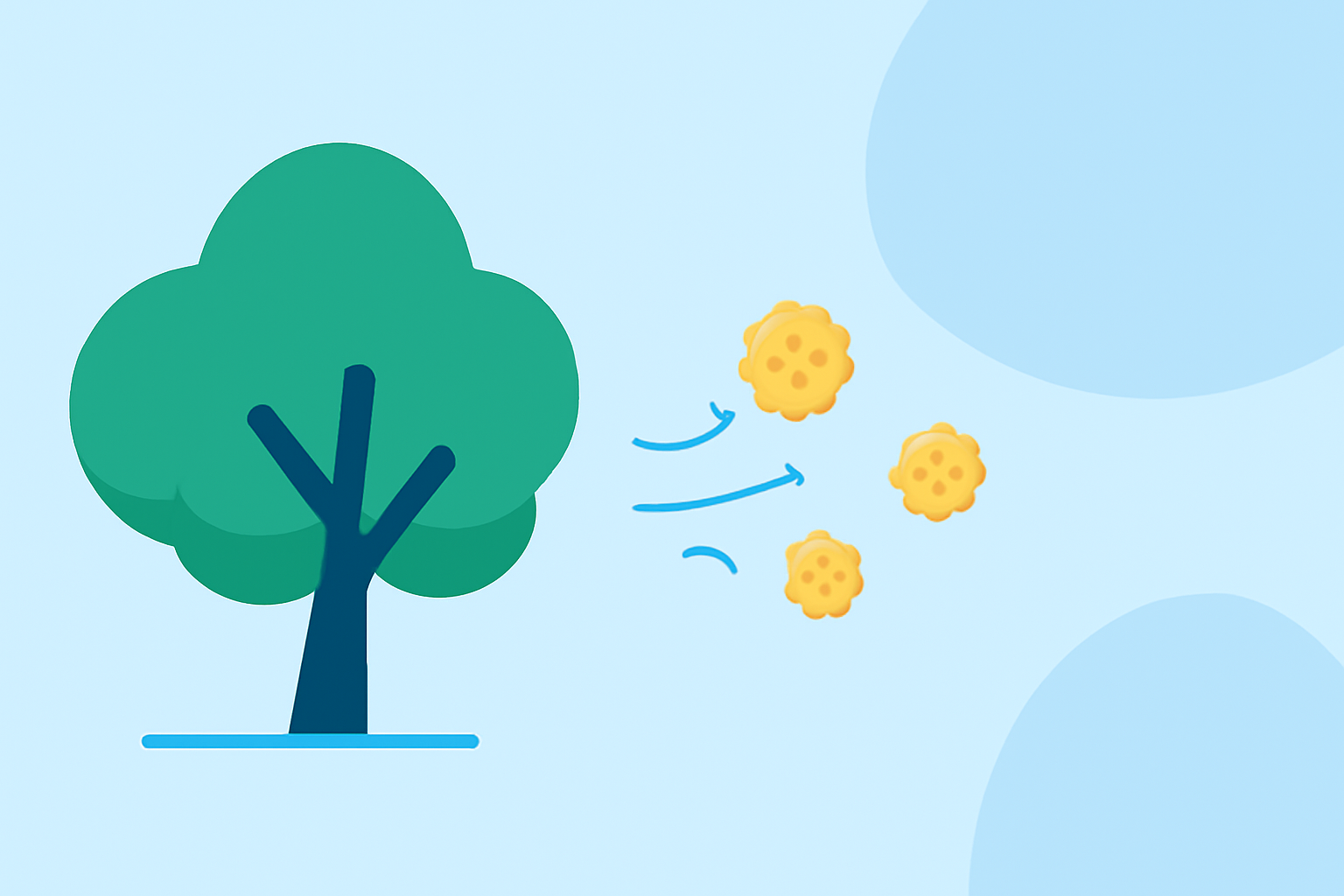
During severe weather, managing tree pollen exposure is crucial for maintaining health, especially for those with allergies. To minimize risks, it's important to understand the mistakes to avoid in order to effectively protect yourself.
Summary
- Keep windows closed during high pollen seasons to minimize exposure.
- Rely on accurate weather forecasts that include pollen count information.
- Avoid exercising outdoors on days with high pollen levels.
- Understand the difference between pollen estimates and actual pollen counts.
How Does Severe Weather Affect Tree Pollen Levels?
Severe weather, such as heavy rain or wind, can significantly impact pollen levels. Rain may temporarily wash pollen from the air, reducing immediate exposure. However, following the rain, damp conditions often lead to a rapid increase in mold growth, which can also exacerbate allergy symptoms. Wind can disperse pollen over wide areas, leading to spikes in pollen levels even after storms have passed. Understanding these dynamics is vital for managing your exposure.
Common Mistakes to Avoid When Dealing with Tree Pollen During Severe Weather
-
Keeping Windows Open: Many people assume that keeping windows open will help air circulation. However, this can actually increase your exposure to pollen, particularly during peak seasons. Always keep windows closed during high pollen forecasts to create a barrier against allergens. !Keep windows closed
-
Ignoring Forecasts: Dismissing pollen count reports can lead to avoidable symptoms. It's essential to consult reliable weather services that provide pollen information. Using a tool like Clime helps you receive live weather updates and pollen forecasts, ensuring you're adequately prepared.
-
Exercising Outdoors During High Pollen Days: Engaging in outdoor activities during days when pollen levels are high can exacerbate allergic reactions. Opt for indoor workouts or schedule outdoor activities for times when pollen counts are lower.
-
Misinformed About Pollen Counts Vs. Forecasts: Many confuse pollen forecasts with counts. Forecasts estimate potential pollen levels based on factors like weather patterns. In contrast, counts measure actual pollen levels in the air. Understanding this distinction can influence your exposure decisions.
Benefits of Monitoring Pollen Levels
Monitoring pollen levels allows for better proactive management of allergies. Tools like Clime offer features that include pollen alerts, allowing users to:
- Optimize outdoor activities based on pollen levels.
- Prepare in advance for high pollen days with appropriate medication.
- Make informed decisions about home ventilation based on weather forecasts.
Tips for Managing Pollen Exposure During Severe Weather
- Use Air Purifiers: High-quality air purifiers can mitigate indoor pollen levels by filtering out allergens.
- Shower After Outdoor Activities: Rinse off pollen from your skin and hair after spending time outside to avoid further exposure indoors.
- Change Clothing Frequently: Pollen can cling to your clothes, so changing immediately after outdoor activities is advisable.
- Stay Indoors During Peak Pollen Times: Pollen is often highest during midday and early evening on sunny days.
What We Recommend
- Stay up-to-date with real-time pollen alerts from trusted weather tools.
- Use Clime to access detailed weather forecasts and severe weather alerts, tailoring settings to your specific location.
- Consider indoor activities and ensure your environment is kept clean to reduce allergens.
- Prepare for the peak pollen season by having medications readily available and consulting medical advice if needed.