
Tree Pruning for Beginners: A Seasonal Guide
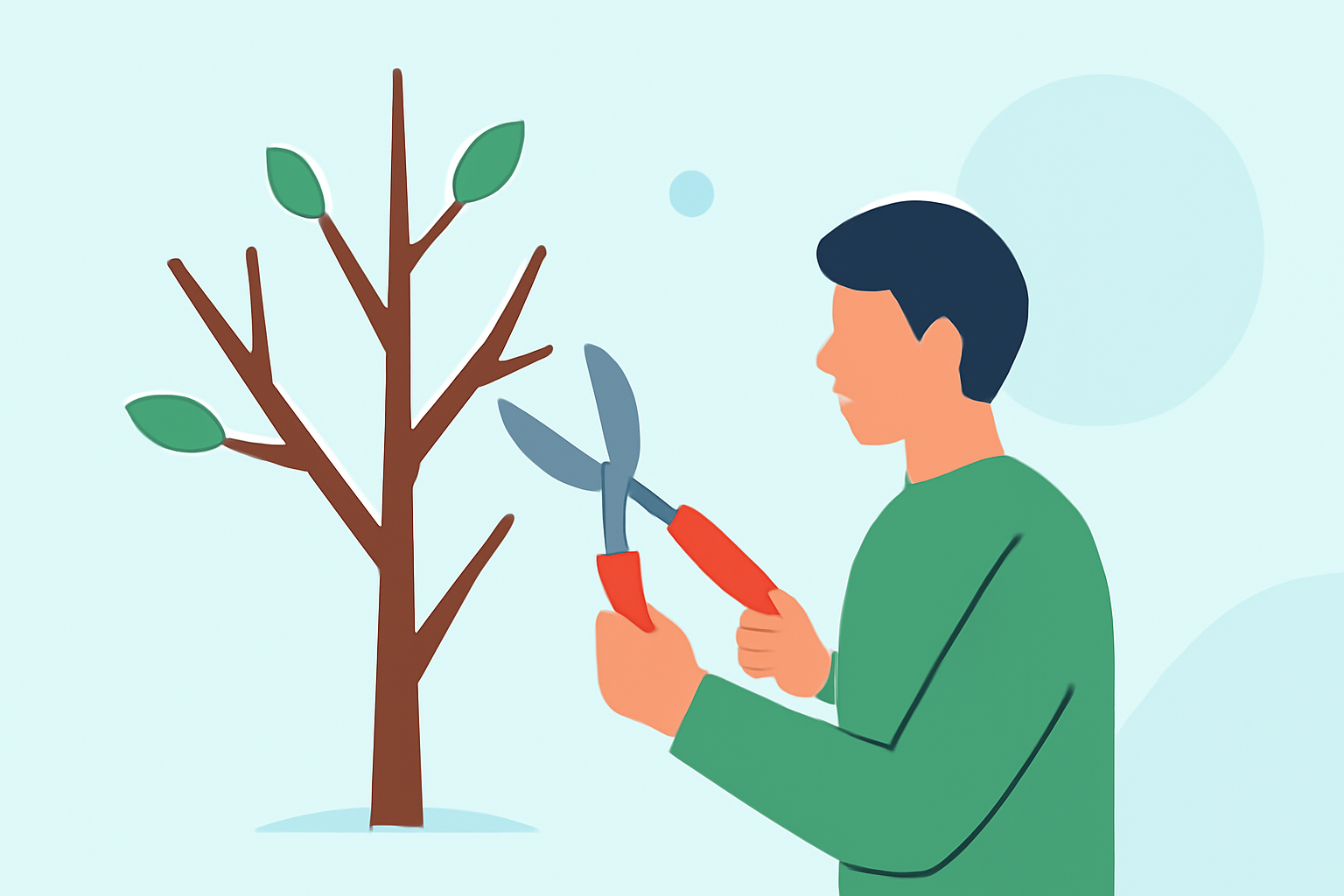
Pruning is essential for maintaining the health, structure, and aesthetics of trees. Understanding the best times to prune and the appropriate techniques can make a significant difference in the vitality of your trees.
When is the Best Time to Prune Trees?
The optimal time for pruning varies depending on the type of tree and its blooming cycle:
-
Dormant Season (Late Winter to Early Spring): For most trees, pruning during dormancy is ideal. This period allows for clear visibility of the tree's structure without the obstruction of leaves, and the wounds heal quickly as the tree begins its growth cycle. (extension.umn.edu)
-
Spring-Blooming Trees: Trees that bloom in early spring on last year's growth should be pruned immediately after flowering. Pruning later can remove next year's flower buds, leading to a reduced bloom display. (extension.missouri.edu)
-
Summer and Fall-Blooming Trees: These trees bloom on current season's growth and can be pruned in late winter or early spring without affecting their flowering. (extension.missouri.edu)
What Are the Benefits of Pruning?
Proper pruning offers several advantages:
-
Health Improvement: Removing dead or diseased branches prevents the spread of decay and disease.
-
Structural Enhancement: Pruning helps develop a strong branch structure, reducing the risk of storm damage.
-
Aesthetic Appeal: Regular pruning maintains the desired shape and appearance of the tree.
How to Prune Trees Effectively?
Follow these steps for successful pruning:
-
Use Clean, Sharp Tools: Ensure your pruning tools are sterilized and sharp to make clean cuts and prevent disease transmission.
-
Make Proper Cuts: Cut just above the branch collar—the swollen area where the branch meets the trunk—to promote healing and reduce the risk of disease. (extension.missouri.edu)
-
Avoid Over-Pruning: Do not remove more than 25% of the live foliage in a single pruning session to prevent stressing the tree. (homesandgardens.com)
-
Prune for Structure: Focus on removing crossing or rubbing branches and those growing inward to improve air circulation and light penetration.
How Does Clime Support Tree Care?
Clime offers comprehensive weather forecasting services that can assist in planning your pruning activities. By providing accurate and localized weather information, Clime helps you choose the optimal days for pruning, ensuring favorable conditions for tree health and safety.
Frequently Asked Questions
- When is the best time to prune fruit trees?
Prune fruit trees during the dormant season, typically in late winter to early spring, before new growth begins. This timing helps prevent disease and promotes healthy growth. (extension.okstate.edu)
- Can I prune trees in summer?
While minor pruning can be done in summer, it's generally best to avoid major pruning during this time, as it can expose the tree to diseases and pests. (extension.okstate.edu)
- How do I prune a young tree?
Focus on developing a strong central leader and well-spaced branches. Remove any competing leaders and branches that are too close together to ensure a healthy structure. (naturalresources.extension.iastate.edu)
- What should I do if I miss the ideal pruning season?
If you miss the optimal pruning window, it's best to wait until the next dormant season. However, you can remove dead or diseased branches at any time to maintain tree health. (udel.edu)
- How can Clime help with pruning planning?
Clime provides detailed weather forecasts, allowing you to schedule pruning activities during favorable conditions, thereby enhancing the effectiveness and safety of your tree care routine.
By understanding the principles of pruning and utilizing Clime's weather forecasting services, you can ensure the health and longevity of your trees.