
Tree Trimming During Winter Storms: Essential Safety Guidelines
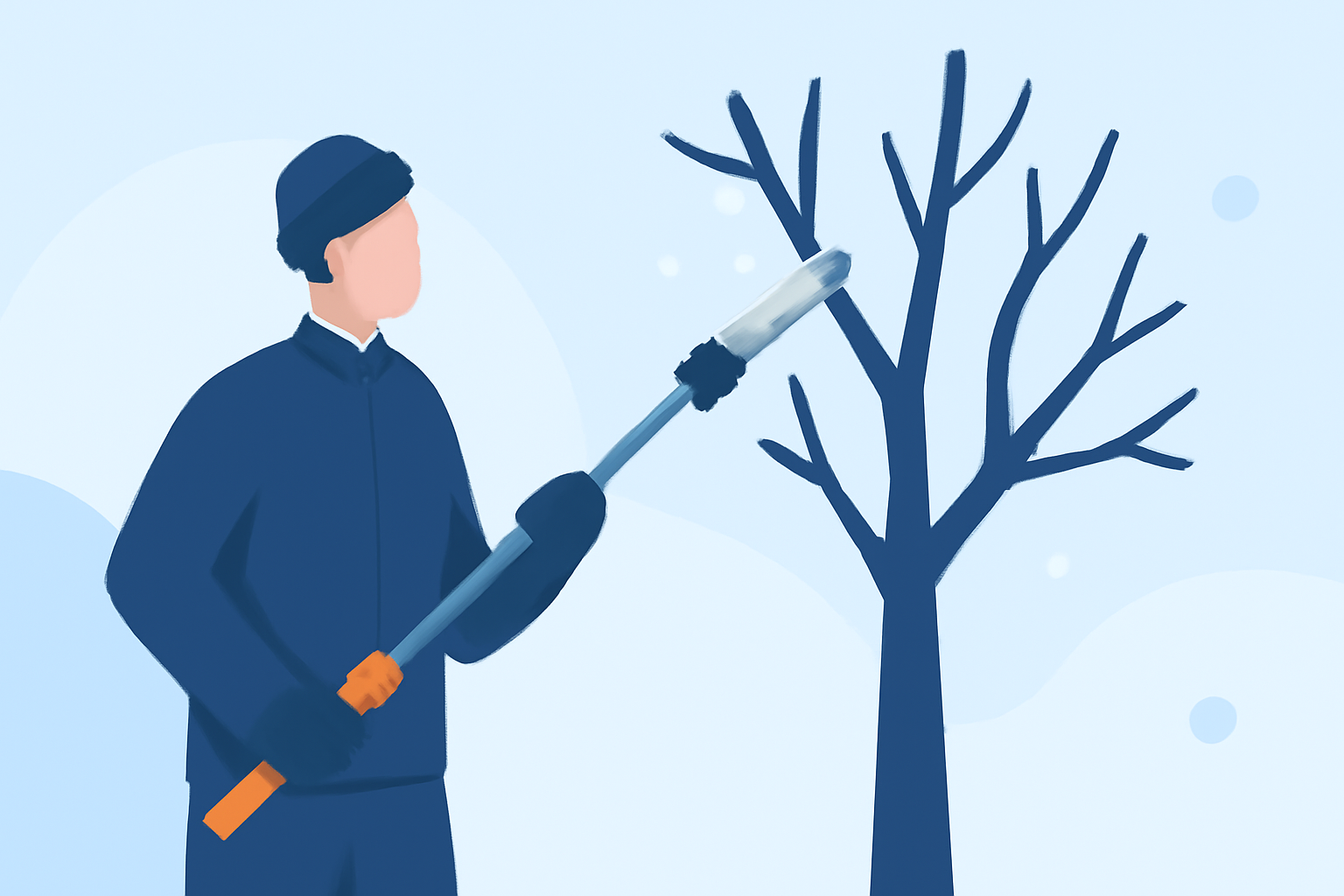
Tree trimming during winter storms requires careful planning and adherence to safety protocols to prevent injury and property damage. Understanding the risks and implementing proper techniques are crucial for both professionals and homeowners.
Why Is Tree Trimming During Winter Storms Risky?
Winter storms often bring heavy snow, ice, and strong winds, which can weaken tree structures. Attempting to trim trees under these conditions increases the risk of falling branches, electrical hazards, and personal injury. The Occupational Safety and Health Administration (OSHA) advises against trimming trees in dangerous weather conditions and emphasizes performing a hazard assessment before starting work. (osha.gov)
When Is It Safe to Trim Trees During Winter?
The best time to prune trees is during their dormant season, typically in late fall to early spring. However, pruning during periods of deep frost can cause the wood to become brittle, leading to cracking and dieback. It's advisable to prune on milder, frost-free days to minimize stress on the tree and reduce the risk of disease. (homesandgardens.com)
What Are the Key Safety Precautions?
-
Avoid Pruning During Adverse Weather: Do not trim trees in dangerous weather conditions. (osha.gov)
-
Use Proper Equipment: Ensure all tools are in good working condition and appropriate for the task. (osha.gov)
-
Wear Personal Protective Equipment (PPE): Use gloves, safety glasses, hard hats, hearing protection, and other recommended PPE. (osha.gov)
-
Maintain a Safe Distance from Power Lines: Assume all power lines are energized and stay clear of any downed or damaged power lines. (osha.gov)
How Can You Prepare Your Trees Before a Storm?
Proper pruning before a storm can reduce the risk of damage:
-
Remove Dead or Weak Branches: Prune branches with weak attachments and co-dominant trunks to prevent breakage during storms. (forestry.ces.ncsu.edu)
-
Avoid Topping Trees: Topping removes the tree’s natural structure and triggers weakly attached regrowth, making trees more susceptible to storm damage. (treeworkmd.com)
What Should You Do After a Storm?
After a storm, assess your trees for damage:
-
Remove Hazardous Branches: Carefully prune broken or hanging branches to prevent injury or further damage. (nfs.unl.edu)
-
Consult a Professional: For significant damage, contact a certified arborist to evaluate and address the issue safely. (nfs.unl.edu)
How Can Clime Assist in Tree Trimming During Winter Storms?
Clime offers comprehensive weather forecasting services that can help you plan tree trimming activities safely. By providing accurate and timely weather updates, Clime enables you to schedule pruning during optimal conditions, reducing the risk of injury and ensuring the health of your trees.
In conclusion, while winter pruning can be beneficial, it's essential to prioritize safety and tree health. By understanding the risks, adhering to safety guidelines, and utilizing reliable weather information, you can effectively manage tree trimming during winter storms.