
Essential Safety Measures for Tree Trimming During Heat Waves
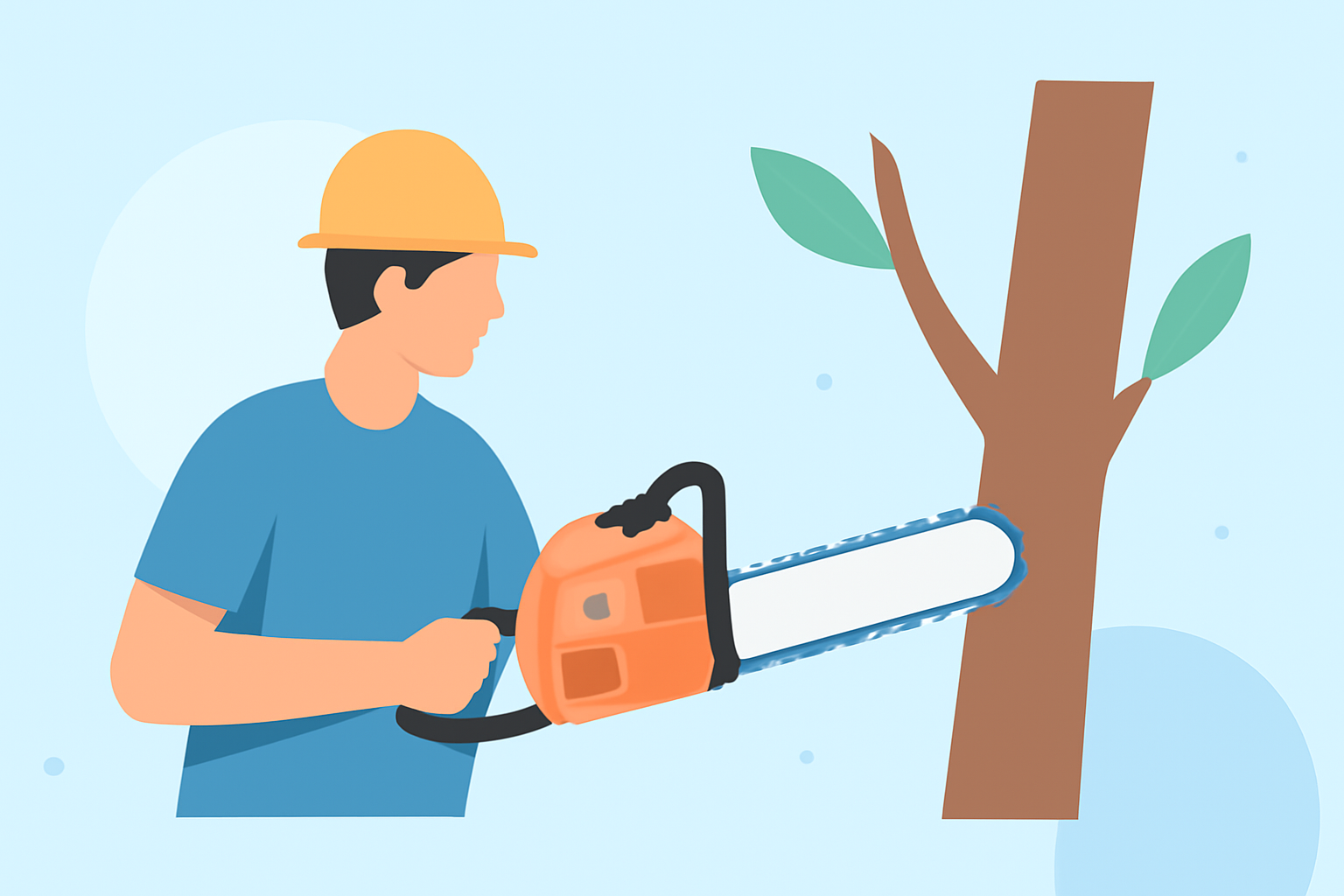
Tree trimming during heat waves presents unique challenges that require careful planning and adherence to safety protocols. High temperatures can increase the risk of heat-related illnesses and other hazards. Implementing the following safety measures can help mitigate these risks and ensure a safe working environment.
1. Monitor Weather Conditions
Before commencing any tree trimming activities, assess the local weather forecast. Avoid scheduling work during extreme heat advisories or when temperatures are expected to be dangerously high. For instance, in Houston, TX, on June 18, 2026, the forecast predicts a high of 95°F (35°C) with high humidity, making outdoor work conditions hazardous. (tdi.texas.gov)
2. Implement Heat Stress Prevention Strategies
To prevent heat-related illnesses, establish a heat stress prevention program that includes:
-
Acclimatization: Gradually increase workloads and allow time for workers to adjust to high temperatures.
-
Hydration: Encourage regular intake of water and electrolyte-replenishing beverages.
-
Rest Breaks: Schedule frequent rest periods in shaded or cool areas.
-
Monitoring: Assign supervisors to monitor workers for signs of heat stress, such as dizziness, fatigue, or confusion.
3. Provide Personal Protective Equipment (PPE)
Equip workers with appropriate PPE, including hard hats, gloves, safety glasses, and high-visibility clothing. Ensure that all equipment is in good condition and suitable for the specific tasks involved. (tdi.texas.gov)
4. Conduct Pre-Work Safety Briefings
Before starting any tree trimming operations, hold a safety briefing to:
-
Review the day's tasks and potential hazards.
-
Discuss emergency procedures and first aid measures.
-
Assign roles and responsibilities clearly.
5. Maintain Safe Distances from Power Lines
Always assume that all power lines are energized. Maintain a minimum distance of 10 feet from power lines, increasing the distance for higher-voltage lines. Only qualified line-clearance tree trimmers should perform tasks within this minimum approach distance. (osha.gov)
6. Inspect and Maintain Equipment
Regularly inspect all equipment, including chainsaws, ropes, and aerial lifts, to ensure they are in proper working condition. Proper maintenance reduces the risk of equipment failure and associated injuries. (tdi.texas.gov)
7. Recognize and Respond to Heat-Related Illnesses
Educate workers on the symptoms of heat-related illnesses, such as heat exhaustion and heat stroke. Ensure that first aid kits are readily available and that personnel are trained to respond appropriately to heat-related emergencies. (tdi.texas.gov)
8. Adjust Work Schedules Accordingly
Consider modifying work hours to cooler parts of the day, such as early mornings or evenings, to minimize exposure to extreme heat. Implementing a flexible work schedule can help maintain productivity while safeguarding worker health.
By adhering to these safety measures, tree trimming operations during heat waves can be conducted more safely, reducing the risk of heat-related illnesses and ensuring the well-being of all personnel involved.
Highlights:
- Tree Care During Heat Waves! - Oswego Lake Watershed Council, Published on Thursday, July 01
- Tree Work Safety - Cal/OSHA
- OSHA TREE TRIMMING SAFETY, Published on Monday, December 14