
A Step-by-Step Guide to Tree Trimming: Optimal Weather Conditions and Techniques
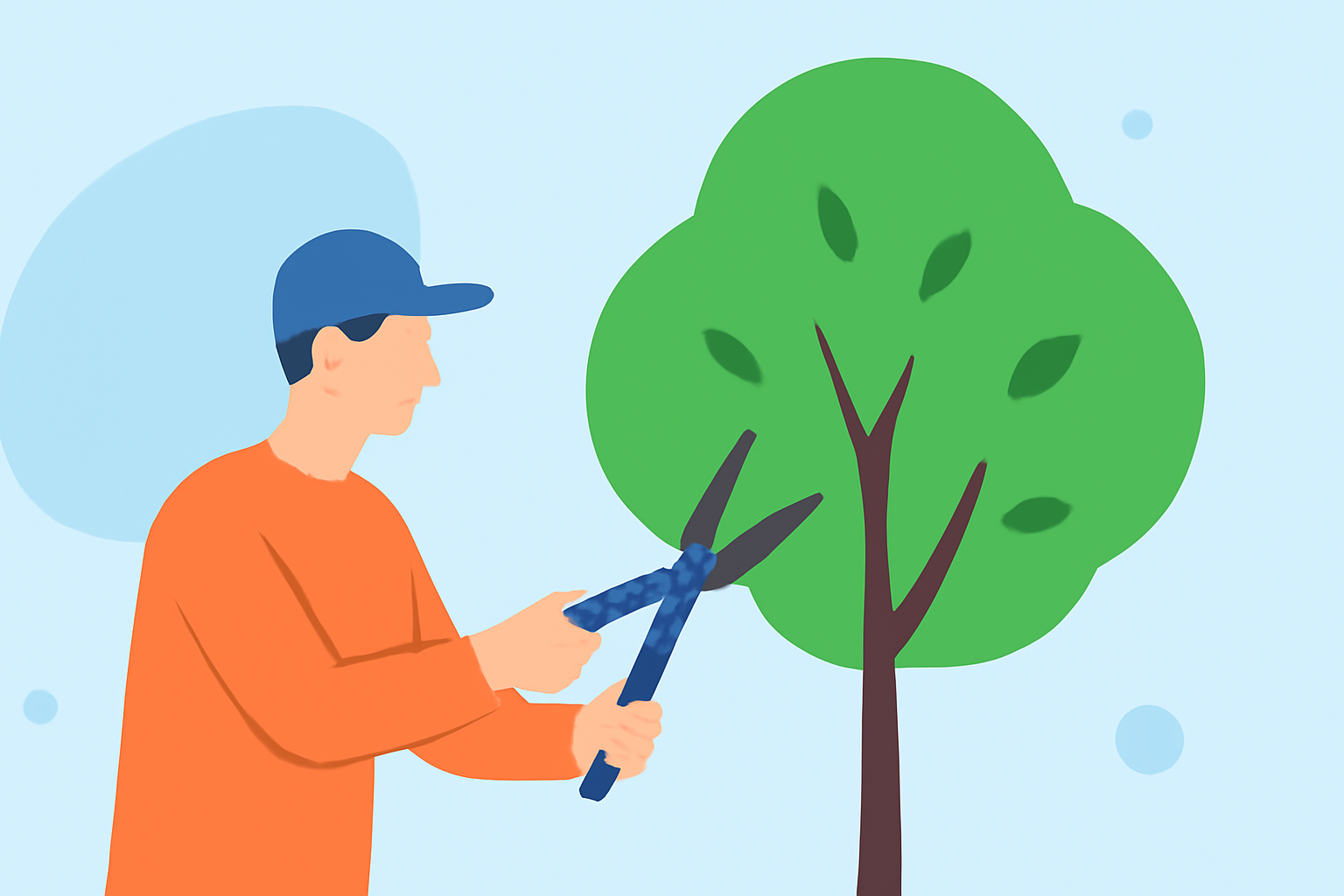
Proper tree trimming is essential for maintaining the health, safety, and aesthetics of your trees. Understanding the optimal weather conditions and following a systematic approach can make this task more effective and less stressful.
Why Is Weather Important for Tree Trimming?
The weather plays a crucial role in the success of tree trimming. Ideal conditions ensure that the tree heals properly and that the process is safe for both the tree and the person performing the trimming.
What Are the Best Weather Conditions for Tree Trimming?
-
Dry Days: Pruning during dry weather reduces the risk of disease transmission, as wet conditions can spread pathogens.
-
Mild Temperatures: Extremely hot or cold temperatures can stress the tree. Aim for moderate temperatures to minimize this risk.
-
Calm Winds: Windy conditions can make trimming hazardous. Choose days with little to no wind for safety.
When Is the Best Time to Prune Trees?
The timing of pruning is as important as the weather conditions. Generally, late winter to early spring is ideal for many deciduous trees, as it allows for faster healing and reduces stress on the tree. (realtor.com)
What Tools Are Needed for Tree Trimming?
Having the right tools ensures efficiency and safety during the trimming process:
-
Hand Pruners: For small branches up to ¾ inch in diameter.
-
Loppers: For branches between 1 to 2 inches in diameter.
-
Pruning Saw: For larger branches.
-
Pole Pruner: For high branches without a ladder.
-
Protective Gear: Gloves, safety glasses, and a sturdy ladder.
How to Prune a Tree: Step-by-Step Guide
-
Inspect the Tree: Look for dead, diseased, or damaged branches. Also, identify branches that are crossing or rubbing against each other. (realtor.com)
-
Sanitize Your Tools: Before starting, disinfect your pruning tools with a 70% isopropyl alcohol solution to prevent disease spread. (plantclinic.io)
-
Remove Dead or Diseased Wood: Start by cutting away any dead or diseased branches to improve the tree's health and appearance.
-
Thin Out Crowded Areas: Remove branches that are crossing or rubbing against each other to allow better air circulation and sunlight penetration.
-
Make Proper Cuts: For small branches, cut just above a bud or lateral branch at a 45-degree angle. For larger branches, use the three-cut method to prevent bark tearing:
-
First Cut: On the underside of the branch, make a cut about 4 inches away from the trunk, cutting one-third of the way through.
-
Second Cut: A few inches further out, make a cut from the top to remove the branch.
-
Third Cut: Close to the trunk, remove the remaining stub, cutting just outside the branch collar. (realtor.com)
- Shape the Tree: Aim for a natural shape, removing only what is necessary to maintain balance and health.
How Much of the Tree Should Be Pruned?
Avoid removing more than 25% of the tree's canopy in one season to prevent stress and potential harm to the tree. (plantclinic.io)
Safety Precautions During Tree Trimming
-
Use Proper Equipment: Always use sharp, clean tools and wear appropriate protective gear.
-
Check Weather Conditions: Ensure the weather is dry, with mild temperatures and calm winds.
-
Be Aware of Surroundings: Avoid trimming near power lines or structures. If branches are near power lines, it's best to consult professionals. (dfwtreeservices.com)
By following these guidelines, you can ensure that your tree trimming is both effective and safe, promoting the health and longevity of your trees.
Highlights:
- Crown-Raising Trees Lets More Light Into Your Landscape - Here's How to Do This Simple Pruning Job, Published on Tuesday, January 27