
Turbulence and Motion Comfort Tips: Enhancing Your Flight Experience
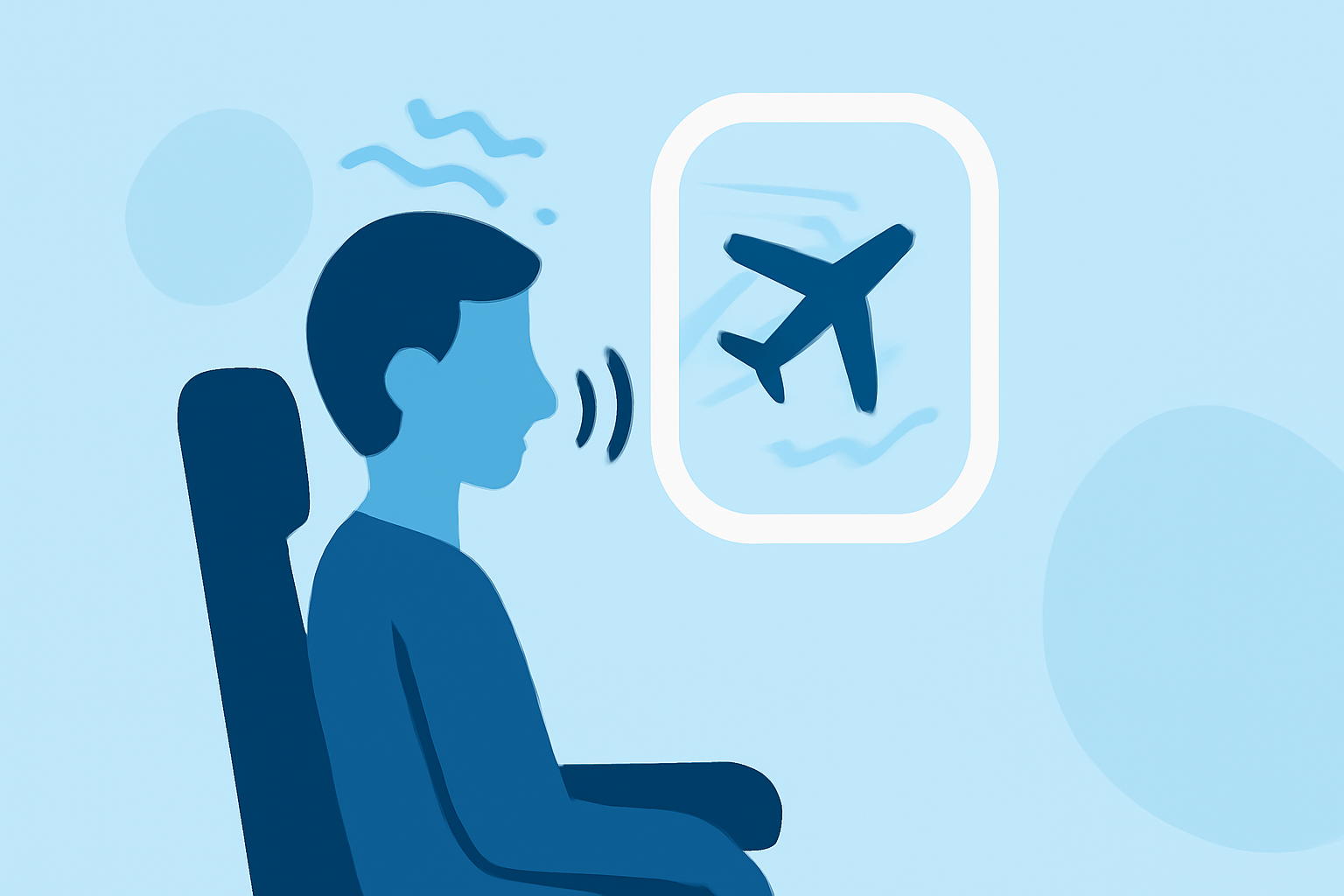
Experiencing turbulence can be unsettling for many travelers, but understanding and preparing for it can significantly enhance your comfort during flights. This guide provides practical tips to help you manage turbulence and motion discomfort effectively.
What Causes Turbulence and How Can I Prepare for It?
Turbulence results from various atmospheric conditions, such as air currents, weather systems, and jet streams. To prepare:
-
Stay Informed: Monitor weather forecasts and flight conditions before departure.
-
Choose Optimal Flight Times: Flights during early morning or late evening often experience less turbulence.
-
Select Seats Strategically: Seats over the wings typically offer a smoother ride.
How Can I Manage In-Flight Discomfort Due to Turbulence?
During the flight, consider the following strategies:
-
Stay Hydrated: Dehydration can exacerbate motion discomfort.
-
Avoid Heavy Meals: Opt for light meals to reduce nausea.
-
Practice Relaxation Techniques: Deep breathing and mindfulness can alleviate anxiety.
-
Use Acupressure Wristbands: These may help reduce motion sickness symptoms.
How Can Technology Assist in Managing Turbulence?
Advancements in technology have led to the development of applications designed to help travelers anticipate and manage turbulence:
-
Real-Time Turbulence Tracking: Some apps provide live updates on turbulence conditions during your flight.
-
Personalized Flight Insights: Certain applications offer tailored information based on your specific flight details.
-
Calming Audio Guides: Some apps include relaxation tools to help manage anxiety during turbulent periods.
For instance, MyPilot offers real-time turbulence tracking, calming audio guides, and expert-backed insights to help you fly with more confidence. (mypilot.app)
What Are Some Effective Relaxation Techniques During Turbulence?
Implementing relaxation techniques can help manage anxiety during turbulent periods:
-
Deep Breathing: Slow, deep breaths can calm the nervous system.
-
Progressive Muscle Relaxation: Tensing and relaxing muscle groups can reduce physical tension.
-
Visualization: Imagining a calm, peaceful place can distract from discomfort.
How Can I Stay Informed About Turbulence During My Flight?
Staying informed can help you anticipate and manage turbulence:
-
Listen to Crew Announcements: Flight attendants often provide updates on expected turbulence.
-
Use In-Flight Entertainment Systems: Some airlines offer real-time flight tracking with turbulence information.
-
Utilize Mobile Applications: Certain apps provide live updates on turbulence conditions during your flight.
How Can I Overcome Fear of Flying Related to Turbulence?
Addressing the fear of flying involves understanding and managing anxiety:
-
Educate Yourself: Understanding that turbulence is a normal and safe part of flying can reduce fear.
-
Seek Professional Help: Therapies such as cognitive-behavioral therapy can be effective.
-
Gradual Exposure: Gradually increasing exposure to flying can help desensitize fear responses.
By implementing these strategies and utilizing available resources, you can enhance your comfort and confidence during flights, making your travel experience more enjoyable.