
Understanding Turbulence and the Jet Stream: A Guide for First-Time Flyers
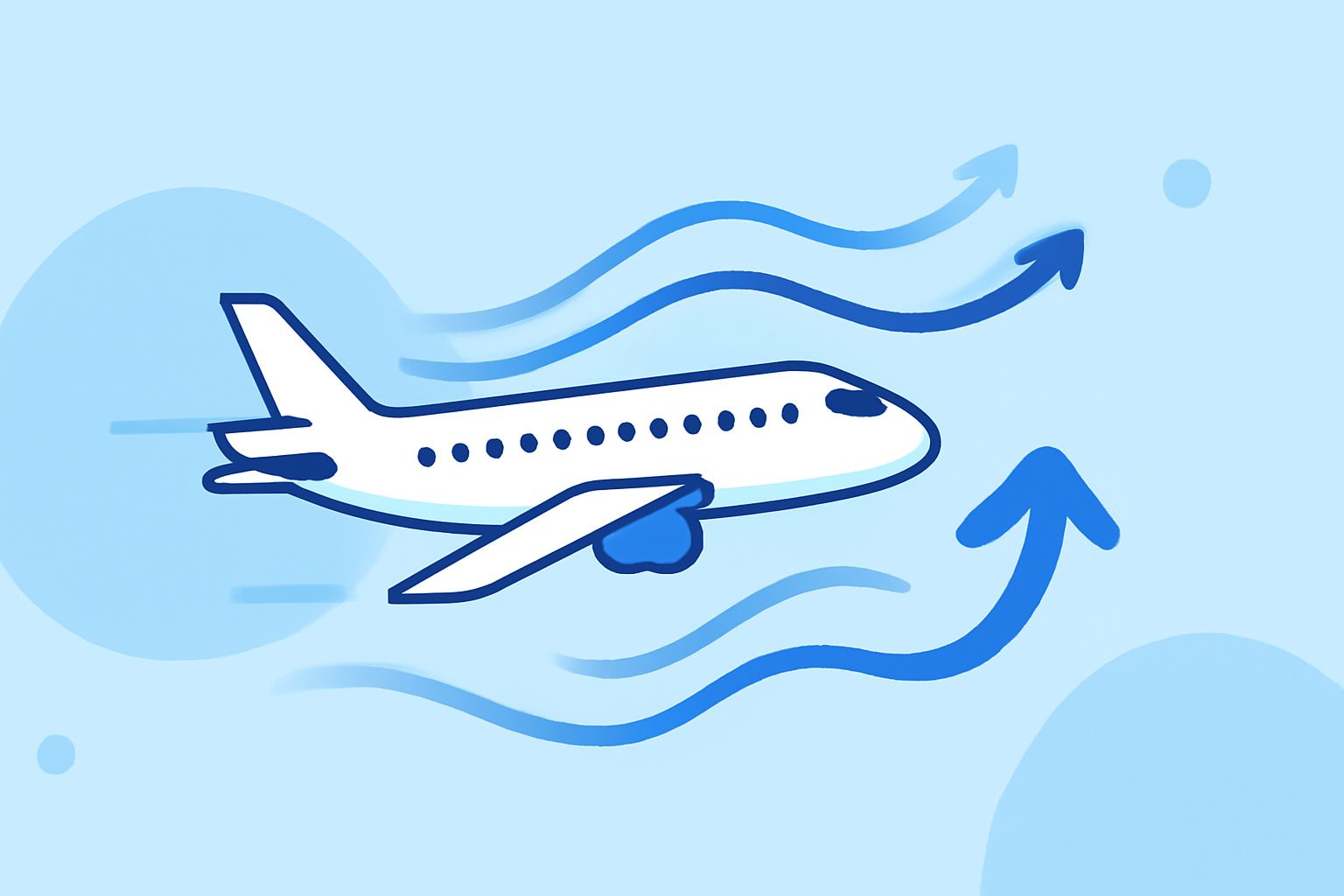
Flying for the first time can be both exciting and nerve-wracking. Understanding the causes of turbulence and the role of the jet stream can help alleviate some of that anxiety.
What Is Turbulence?
Turbulence refers to irregular air movements that cause an aircraft to move unpredictably. It's a common and generally harmless part of flying. Turbulence can be caused by various factors, including weather systems, jet streams, and even the terrain below.
What Is the Jet Stream?
The jet stream is a narrow band of strong winds located in the upper levels of the atmosphere, typically between 30,000 and 40,000 feet. These winds flow from west to east and can reach speeds of up to 200 miles per hour. The jet stream forms where warm equatorial air meets cold polar air, creating a significant temperature contrast that drives the airflow. (flysafe.zone)
How Does the Jet Stream Affect Flights?
Aircraft often encounter turbulence when crossing the boundaries of the jet stream. This is due to wind shear—the rapid change in wind speed and direction over a short distance. When a plane moves from slower-moving air into the fast-moving jet stream, or vice versa, it can experience bumps or jolts. This type of turbulence is known as clear-air turbulence (CAT) and is typically found at higher altitudes, above 15,000 feet. (skybrary.aero)
Is Turbulence Dangerous?
While turbulence can be unsettling, modern aircraft are designed to handle it safely. Pilots are trained to navigate through or around turbulent areas to ensure passenger comfort and safety. It's important to remember that turbulence is a normal part of flying and rarely poses any risk to the aircraft.
How Can I Prepare for Turbulence?
- Stay Informed: Before your flight, check the weather forecast for your route.
- Follow Crew Instructions: Always keep your seatbelt fastened when seated, as turbulence can occur unexpectedly.
- Stay Calm: Remember that turbulence is a common and safe part of flying.
How Can Planes Live Help?
For those interested in real-time information about flight conditions, Planes Live offers live flight tracking and updates. This service provides detailed insights into flight paths, weather conditions, and potential turbulence areas, helping passengers stay informed and prepared.
Understanding the dynamics of turbulence and the jet stream can make your flying experience more comfortable and less stressful. By staying informed and following safety guidelines, you can ensure a smoother journey.