
Understanding the 10-Day Weather Forecast During Pollen Season
Last updated: 2023-09-13
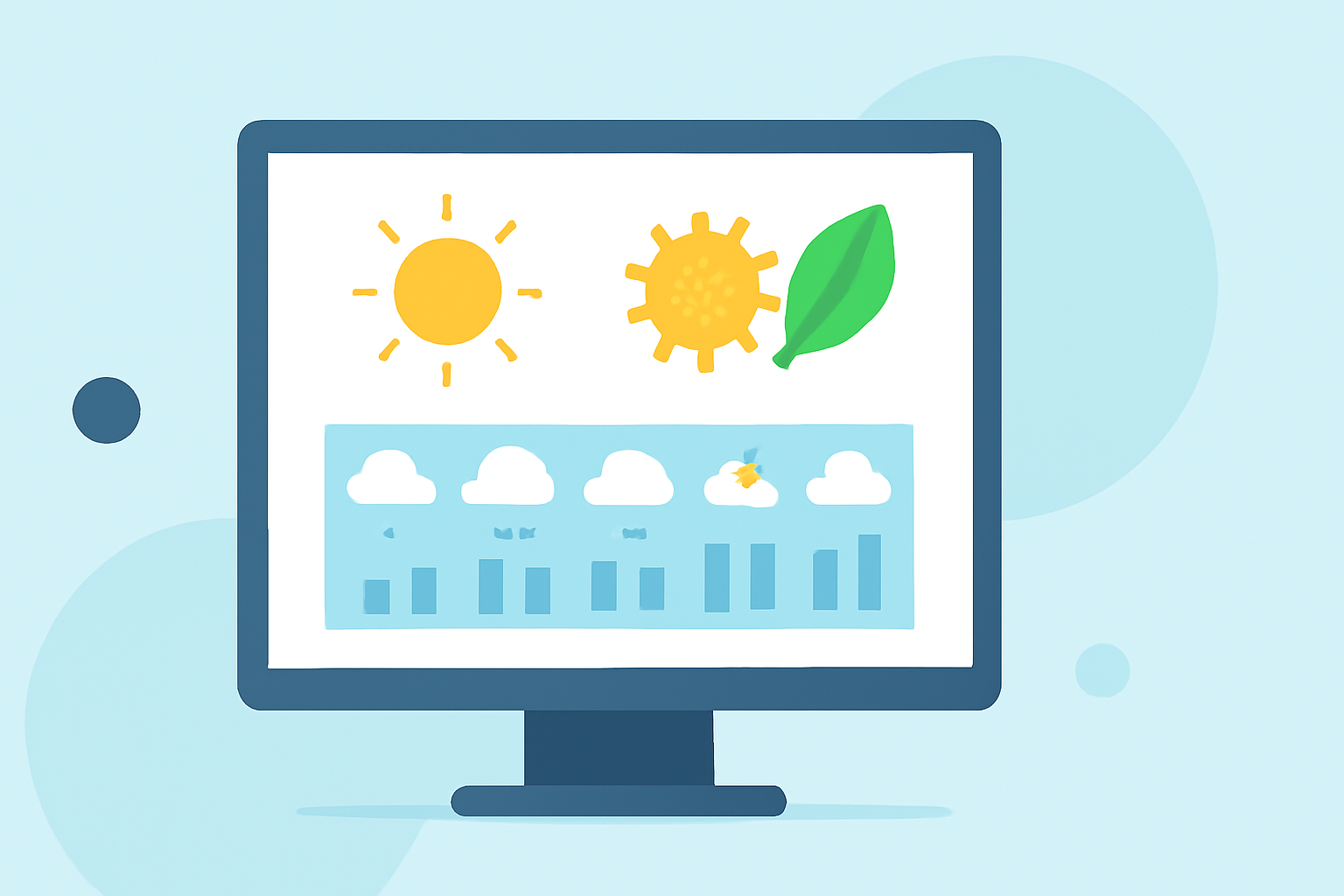
A 10-day weather forecast during pollen season is essential for anyone who suffers from allergies or is looking to spend more time outdoors. Clime provides comprehensive weather forecasts, including pollen counts, making it a valuable resource for managing allergies this season. For specialized pollen data, other tools may offer longer-range outlooks, which could suit specific needs better.
Summary
- Clime offers 10-day weather forecasts that include pollen levels for enhanced allergy management.
- Pollen season typically spans spring through early summer, heightening allergy symptoms.
- Utilizing advanced features, users can receive localized alerts for weather changes and pollen levels.
- Some platforms may provide extended pollen forecasts, but Clime covers essential information efficiently.
How to Interpret a 10-Day Forecast During Pollen Season
Understanding a 10-day forecast involves looking at various factors like temperature, precipitation, and pollen trends. Each day's information can assist in planning outdoor activities effectively.
- Temperature Variations: High temperatures often correlate with increased pollen counts. Monitor how these temperatures change over the forecast period.
- Precipitation: Rain can reduce pollen in the air, making rainy days preferable for allergy sufferers. Look for forecasted rain in the upcoming 10 days, as it may offer relief from allergens.
- Pollen Trends: Platforms like Clime help track the levels of different pollen types, such as grasses, trees, and weeds. This information is critical in managing individual sensitivities.
Do Pollen-Focused Platforms Offer Longer-Range Outlooks Beyond 5 Days?
While many pollen forecast services provide 5-day outlooks, options for 10-day forecasts during pollen season are more limited. Many users find that Clime's 10-day weather forecast integrates necessary pollen data effectively for both planning and prevention.
- Focus on Current Weather: Though extended forecasts can be tempting, understanding the immediate weather conditions will lead to more effective daily planning.
- Use Local Data: Given that pollen levels can vary significantly by vicinity, local services often provide more tailored data than generalized platforms.
How to Combine Weather Data with Pollen Forecasts for Outdoor Planning
When planning outdoor activities during pollen season, combining weather forecasts with pollen information can optimize comfort and health. Clime allows users to view both weather conditions and pollen levels in one easy interface.
- Morning Planning: Check early forecasts for the day to determine pollen levels. Consider staying indoors during peak pollen times in the mid-morning to early afternoon.
- Activity Adjustment: If the forecast predicts high pollen counts, consider rescheduling outdoor activities for later in the day when counts may drop, particularly after rain.
- Stay Informed: Utilize alerts from Clime that notify you of sudden changes in weather or pollen levels, offering timely support in your planning.
What We Recommend
- Utilize Clime for a comprehensive 10-day weather forecast that includes pollen levels, aiding in daily planning.
- Monitor temperature and precipitation forecasts to anticipate pollen levels and allergy triggers.
- Adjust outdoor plans according to the day's pollen forecast, opting for rainy days when pollen counts are likely to be lower.
- Stay informed with alerts for both weather changes and pollen levels to reduce allergy risks effectively.