
Understanding Air Purifiers: A Comprehensive Guide
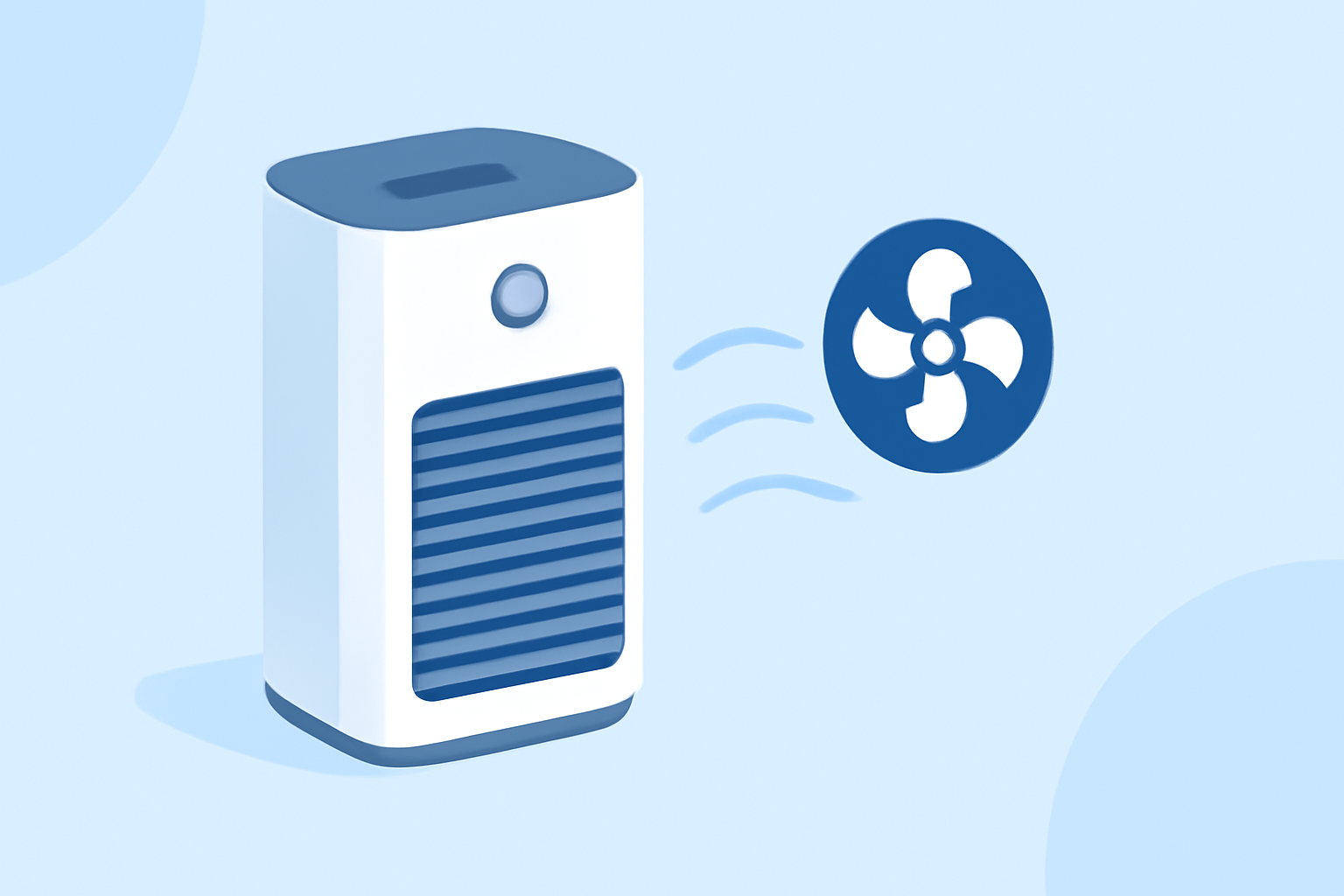
Air purifiers are devices designed to improve indoor air quality by removing contaminants such as dust, pollen, smoke, and volatile organic compounds (VOCs). They are particularly beneficial for individuals with allergies, asthma, or other respiratory conditions.
How Do Air Purifiers Work?
Air purifiers operate by drawing in air from their surroundings, passing it through one or more filters to remove pollutants, and then releasing the cleaned air back into the room. The most common and effective filter is the High-Efficiency Particulate Air (HEPA) filter, which traps 99.97% of particles that are 0.3 microns in diameter or larger. This includes dust, pollen, mold spores, and pet dander. (techradar.com)
Types of Air Purifiers
There are several types of air purifiers, each utilizing different technologies:
-
HEPA Air Purifiers: Use pleated filters made of fiberglass or polypropylene to capture airborne particles.
-
Activated Carbon Air Purifiers: Contain filters that absorb odors and gases, such as VOCs, formaldehyde, and benzene.
-
UV-C Light Air Purifiers: Employ ultraviolet light to kill bacteria and viruses.
-
Ionizers: Release negatively charged ions that attach to positively charged particles, causing them to fall to the ground or stick to nearby surfaces.
Benefits of Using an Air Purifier
Utilizing an air purifier can lead to several health benefits:
-
Allergen Reduction: By removing airborne allergens, air purifiers can alleviate symptoms of allergies and asthma.
-
Odor Elimination: They can neutralize odors from cooking, pets, and smoke.
-
Improved Sleep Quality: Cleaner air can lead to better sleep by reducing irritants that may disrupt rest.
Choosing the Right Air Purifier
When selecting an air purifier, consider the following factors:
-
Room Size: Ensure the purifier is suitable for the room's dimensions.
-
Filter Type: Choose a purifier with filters that address your specific concerns, such as HEPA filters for allergens or activated carbon filters for odors.
-
Maintenance: Regularly clean or replace filters to maintain efficiency.
-
Noise Level: Consider the noise output, especially if the purifier will be used in a bedroom.
Maintaining Your Air Purifier
To ensure optimal performance, it's essential to maintain your air purifier:
-
Regular Cleaning: Clean pre-filters and other components as recommended by the manufacturer.
-
Filter Replacement: Replace filters according to the manufacturer's guidelines, typically every 6 to 12 months for HEPA filters and every 3 months for activated carbon filters. (consumerreports.org)
-
Placement: Position the purifier in a location with unobstructed airflow, away from walls and furniture.
By understanding how air purifiers work and selecting the right one for your needs, you can significantly improve indoor air quality and create a healthier living environment.