
Understanding Air Purifiers: A Comprehensive Guide
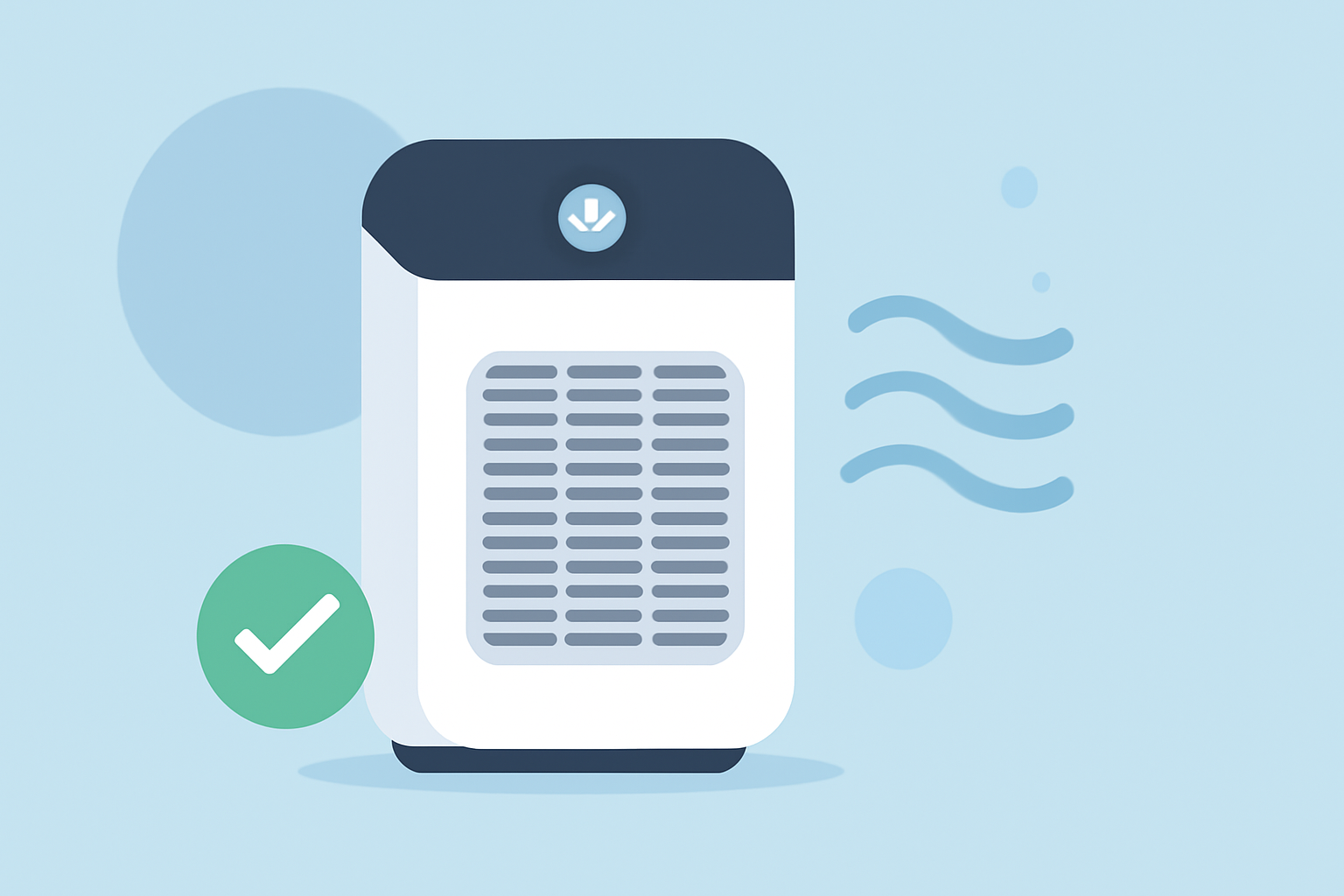
Air purifiers are devices designed to enhance indoor air quality by removing contaminants such as dust, pollen, pet dander, mold spores, and volatile organic compounds (VOCs). They are particularly beneficial for individuals with allergies, asthma, or respiratory conditions.
How Do Air Purifiers Work?
Air purifiers operate through a straightforward three-step process:
-
Air Intake: A fan draws in the surrounding air, which may contain various pollutants.
-
Filtration/Treatment: The air passes through one or more filters that capture or neutralize contaminants.
-
Clean Air Output: The purified air is then released back into the room, improving the overall air quality.
Common Types of Air Purifiers
Air purifiers utilize various technologies to address different pollutants:
-
Mechanical Filters (HEPA): High-Efficiency Particulate Air (HEPA) filters capture at least 99.97% of particles as small as 0.3 microns, including dust, pollen, and some bacteria.
-
Activated Carbon Filters: These filters adsorb gases, odors, and VOCs, making them effective for removing smoke and cooking smells.
-
UV-C Light Purifiers: Ultraviolet light can kill bacteria and viruses, though its effectiveness depends on exposure time and intensity.
-
Ionizers: These devices release negatively charged ions that attach to positively charged particles, causing them to fall out of the air.
Building a Simple DIY Air Purifier
Creating a DIY air purifier is a cost-effective way to improve indoor air quality. Here's a basic guide:
Materials Needed:
-
Box Fan: A standard 20-inch box fan serves as the base.
-
High-Efficiency Furnace Filter: A MERV 13 or higher filter captures fine particles.
-
Duct Tape or Velcro Strips: To secure the filter to the fan.
Steps to Assemble:
-
Prepare the Filter: Ensure the filter size matches the fan's dimensions.
-
Attach the Filter: Secure the filter to the back of the fan using duct tape or Velcro, ensuring an airtight seal.
-
Operation: Place the fan in the desired room, turn it on, and let it run continuously for optimal air purification.
This simple setup can significantly reduce airborne pollutants and improve indoor air quality.
Maintenance Tips:
-
Regular Filter Replacement: Replace filters as recommended by the manufacturer to maintain efficiency.
-
Keep the Area Clean: Ensure the area around the air purifier is free from obstructions to allow proper airflow.
-
Monitor Air Quality: Use air quality monitors to assess the effectiveness of your air purifier.
By understanding the basics of air purifiers and implementing simple DIY solutions, you can create a healthier indoor environment for you and your family.