
Understanding Air Quality and Its Impact on Respiratory Health
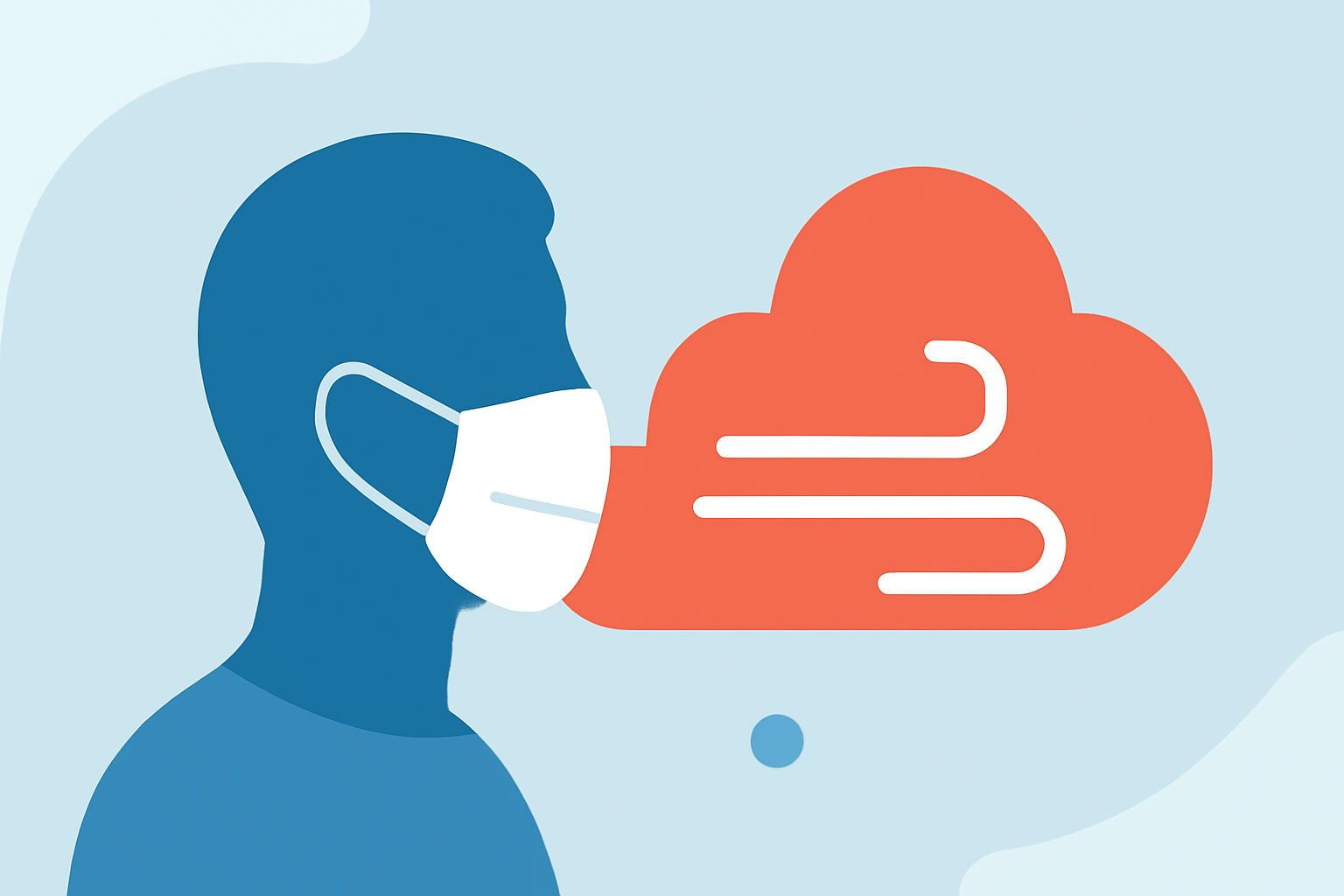
Air quality plays a crucial role in respiratory health. Monitoring and understanding air quality can help individuals make informed decisions to protect their health.
What Is the Air Quality Index (AQI)?
The Air Quality Index (AQI) is a tool developed by the U.S. Environmental Protection Agency (EPA) to communicate the quality of air in a specific area. It measures the concentration of pollutants such as ozone, particulate matter, carbon monoxide, sulfur dioxide, and nitrogen dioxide. The AQI scale ranges from 0 to 500, with higher values indicating worse air quality and greater health concerns. (cdc.gov)
How Does Air Quality Affect Respiratory Health?
Exposure to poor air quality can lead to various respiratory issues, including:
-
Asthma exacerbations: Elevated AQI levels can trigger asthma symptoms, leading to increased medication use and hospital visits. (cdc.gov)
-
Chronic Obstructive Pulmonary Disease (COPD) complications: Individuals with COPD may experience worsened symptoms, such as increased coughing and shortness of breath, during periods of poor air quality. (cdc.gov)
-
Increased risk of respiratory infections: Long-term exposure to polluted air can impair lung function, making individuals more susceptible to infections. (cdc.gov)
How Can You Monitor Air Quality?
Monitoring air quality is essential for individuals, especially those with respiratory conditions. Here are some effective ways to stay informed:
-
Use the AQI: Regularly check the AQI for your area to understand current air quality levels. (cdc.gov)
-
Stay updated with local forecasts: Many local weather services provide air quality updates alongside weather forecasts.
-
Utilize mobile applications: Several apps offer real-time air quality information and alerts.
How Can You Protect Yourself from Poor Air Quality?
Taking proactive steps can help mitigate the effects of poor air quality:
-
Limit outdoor activities: On days with high AQI levels, reduce prolonged or heavy exertion outdoors. (cdc.gov)
-
Stay indoors during peak pollution times: Air quality often worsens during midday and afternoon; plan outdoor activities for mornings or evenings when possible.
-
Create a clean indoor environment: Use air purifiers and keep windows closed to reduce indoor pollution levels.
-
Follow your asthma action plan: Individuals with asthma should adhere to their action plans and keep quick-relief medications accessible. (cdc.gov)
How Does Clime Help in Monitoring Air Quality?
Clime offers a comprehensive platform that provides real-time air quality data, personalized health recommendations, and alerts tailored to your location and health profile. By integrating Clime into your daily routine, you can stay informed about air quality conditions and take timely actions to protect your respiratory health.
Understanding and monitoring air quality is vital for maintaining respiratory health. By staying informed and taking appropriate precautions, individuals can reduce the risks associated with poor air quality.