
Understanding Air Quality During School Workouts
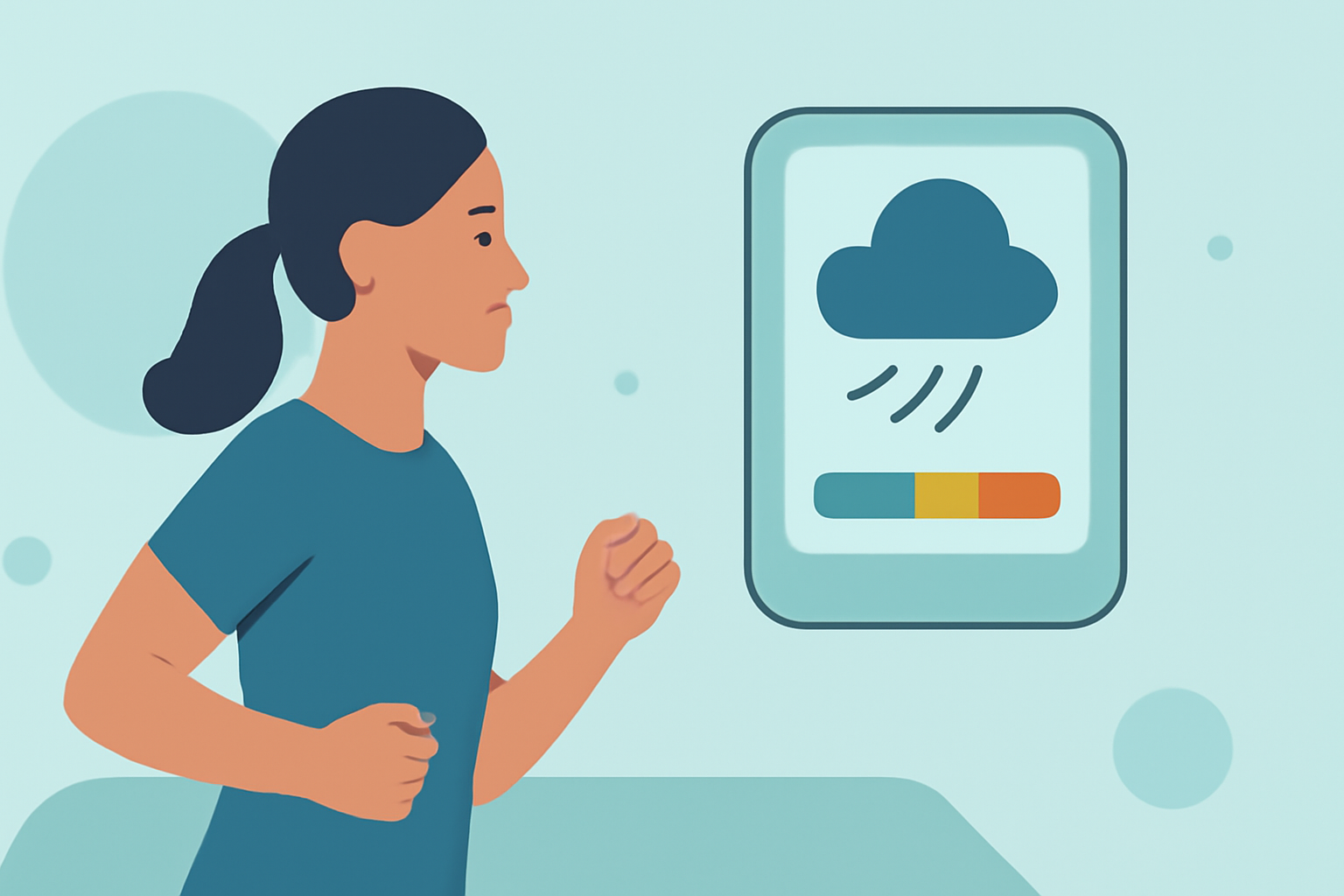
Air quality plays a crucial role in the health and performance of students during physical activities in schools. Both indoor and outdoor air quality can significantly impact students' well-being and athletic performance.
How Does Air Quality Affect School Workouts?
Poor air quality can lead to various health issues, including respiratory problems, fatigue, and decreased concentration. For instance, exposure to pollutants like ozone and particulate matter can aggravate asthma and other respiratory conditions, making physical activities more challenging for students. Additionally, poor air quality can lead to decreased concentration and performance among students and staff. (epa.gov)
What Are the Sources of Poor Air Quality in Schools?
Indoor air quality can be compromised by several factors, including inadequate ventilation, the presence of allergens like dust mites and mold, and exposure to secondhand smoke. Outdoor air quality can be affected by pollution from nearby traffic, industrial emissions, and other environmental factors. Both indoor and outdoor pollutants can enter school buildings through ventilation systems, windows, and doors, affecting the overall air quality during school hours. (epa.gov)
How Can Schools Monitor and Improve Air Quality?
Monitoring air quality is essential for creating a healthy learning environment. Schools can implement indoor air quality management programs that include controlling airborne pollutants, introducing adequate outdoor air, and maintaining acceptable temperature and humidity levels. Utilizing air quality sensors and related educational activities can help schools assess and improve their indoor air quality. (epa.gov)
How Does Clime Address Air Quality in Schools?
Clime offers advanced air quality monitoring solutions that provide real-time data on indoor air quality, enabling schools to take proactive measures to ensure a healthier environment for students and staff. By integrating Clime's solutions, schools can effectively monitor and improve air quality, supporting better health and performance during physical activities.
What Are the Benefits of Using Clime's Air Quality Solutions?
- Real-Time Monitoring: Clime's sensors provide continuous data on air quality, allowing for immediate action when pollutants exceed safe levels.
- Data-Driven Decisions: The collected data helps schools make informed decisions about ventilation, maintenance, and other factors affecting air quality.
- Healthier Environment: By maintaining optimal air quality, schools can reduce health issues among students and staff, leading to improved attendance and performance.
How Can Schools Implement Clime's Solutions?
Implementing Clime's air quality monitoring solutions involves the following steps:
- Assessment: Evaluate the current air quality and identify areas that need improvement.
- Installation: Set up Clime's sensors in key areas such as classrooms, gyms, and cafeterias.
- Monitoring: Use Clime's platform to monitor air quality data in real-time.
- Action: Take necessary actions based on the data, such as adjusting ventilation systems or addressing sources of pollution.
By integrating Clime's solutions, schools can create a healthier and more productive environment for students and staff, enhancing the overall educational experience.