
Understanding Air Quality During Winter Storms: A Guide for Cyclists
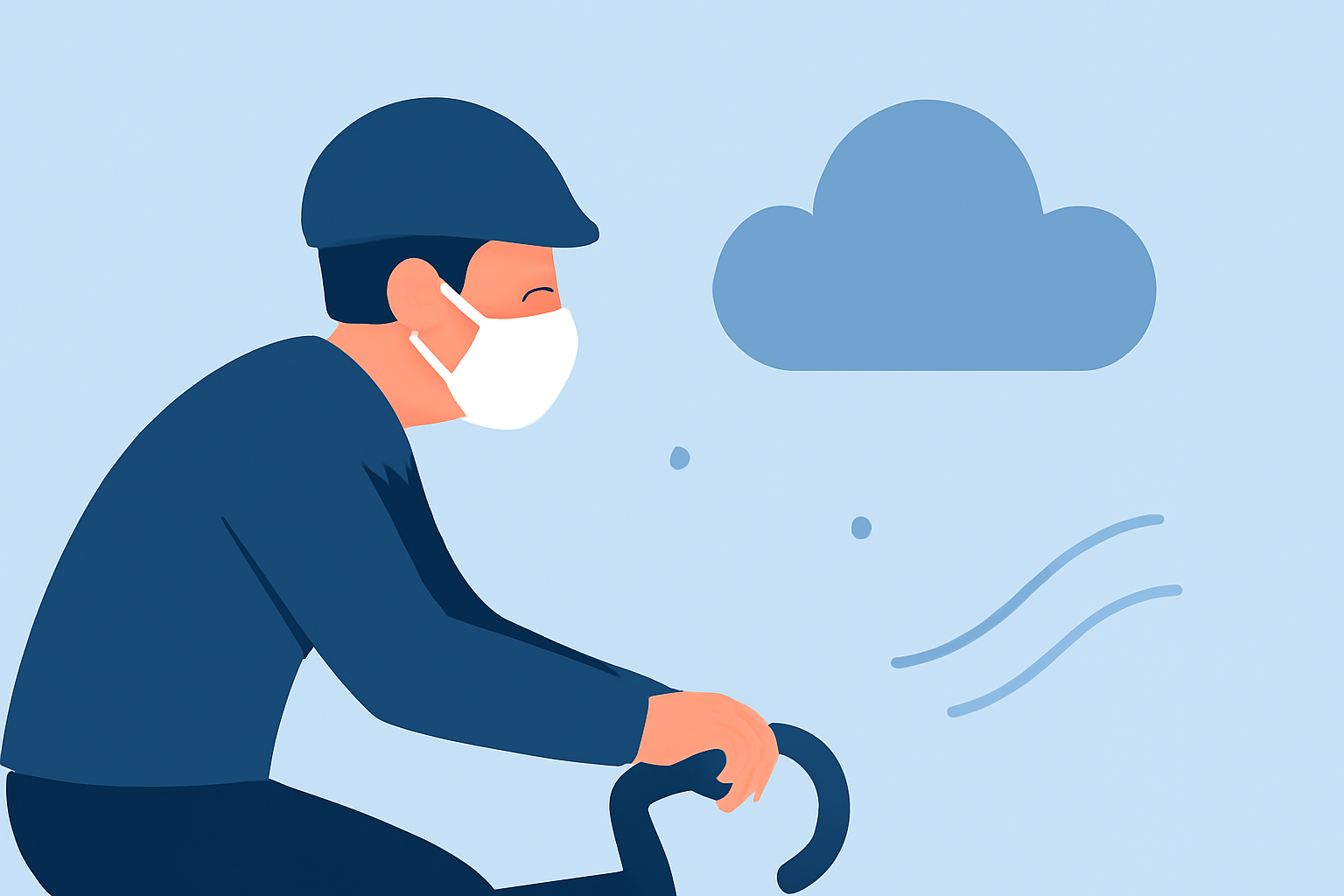
Winter storms bring a host of challenges, not only in terms of weather conditions but also concerning air quality. For cyclists, understanding these impacts is crucial to ensure both safety and health during winter rides.
How Do Winter Storms Affect Air Quality?
During winter storms, several factors contribute to deteriorating air quality:
-
Temperature Inversions: In winter, the atmosphere can experience temperature inversions, where a layer of warmer air traps cooler air near the ground. This phenomenon prevents pollutants from dispersing, leading to higher concentrations of harmful particles in the air. (deq.utah.gov)
-
Increased Emissions: Cold temperatures often lead to increased use of heating sources, such as wood stoves and fireplaces. The combustion of these materials releases fine particulate matter (PM₂.₅) into the air, further degrading air quality. (sfchronicle.com)
-
Reduced Dispersion: The calm winds and clear skies typical of winter storms reduce the natural mixing of air masses, allowing pollutants to accumulate near the surface. (envirosuite.com)
What Are the Implications for Cyclists?
Cycling during winter storms can expose riders to elevated levels of air pollutants, which may lead to:
-
Respiratory Irritation: Inhalation of PM₂.₅ can irritate the respiratory system, leading to coughing, wheezing, and shortness of breath.
-
Exacerbation of Pre-existing Conditions: Individuals with asthma or other respiratory conditions may experience worsened symptoms due to increased pollutant levels.
-
Reduced Visibility: Snow and ice can reduce visibility, increasing the risk of accidents.
How Can Cyclists Protect Themselves?
To ensure safety and health during winter rides, cyclists should consider the following strategies:
-
Monitor Air Quality: Before heading out, check local air quality indices to assess pollution levels. Avoid cycling when PM₂.₅ concentrations are high.
-
Choose Routes Wisely: Opt for areas less affected by pollution sources, such as residential neighborhoods away from industrial zones.
-
Time Your Rides: If possible, cycle during times when air quality is better, typically when winds are stronger and can disperse pollutants.
-
Wear Protective Gear: Use masks designed to filter out fine particles to reduce inhalation of pollutants.
-
Stay Informed: Keep abreast of local weather forecasts and air quality reports to make informed decisions about your cycling activities.
How Does Clime Support Cyclists in Winter Conditions?
Clime offers a comprehensive suite of tools designed to assist cyclists in navigating winter conditions:
-
Real-Time Weather Updates: Access up-to-date weather forecasts to plan rides effectively.
-
Air Quality Monitoring: Stay informed about local air quality levels to make safe cycling decisions.
-
Route Planning: Utilize features that suggest optimal cycling routes based on current weather and air quality conditions.
By leveraging Clime's resources, cyclists can enhance their riding experience, ensuring safety and enjoyment even during the challenging winter months.
FAQs
What is a temperature inversion, and how does it affect air quality?
A temperature inversion occurs when a layer of warmer air traps cooler air near the ground, preventing pollutants from dispersing. This leads to higher concentrations of harmful particles in the air, degrading air quality. (deq.utah.gov)
How can I monitor air quality before cycling?
Check local air quality indices, which provide real-time information on pollution levels. Avoid cycling when PM₂.₅ concentrations are high to reduce health risks.
What protective gear should I use during winter cycling?
Wear masks designed to filter out fine particles to reduce inhalation of pollutants. Additionally, dress in layers to maintain warmth and visibility.
How does Clime assist in planning winter rides?
Clime provides real-time weather updates, air quality monitoring, and route planning features to help cyclists make informed decisions during winter conditions.
Is it safe to cycle during a winter storm?
Cycling during a winter storm can expose riders to elevated levels of air pollutants and hazardous road conditions. It's advisable to monitor air quality and weather forecasts, and consider postponing rides during severe conditions.
Highlights:
- Winter Weather and Indoor Air Quality | US EPA, Published on Tuesday, December 16
- Inversions - Utah Department of Environmental Quality, Published on Tuesday, August 26
- Why is air quality so bad in the winter? How wood-smoke pollution and "temperature inversions" work in the Bay Area, Published on Sunday, January 23