
Understanding the Air Quality Index: A Comprehensive Guide
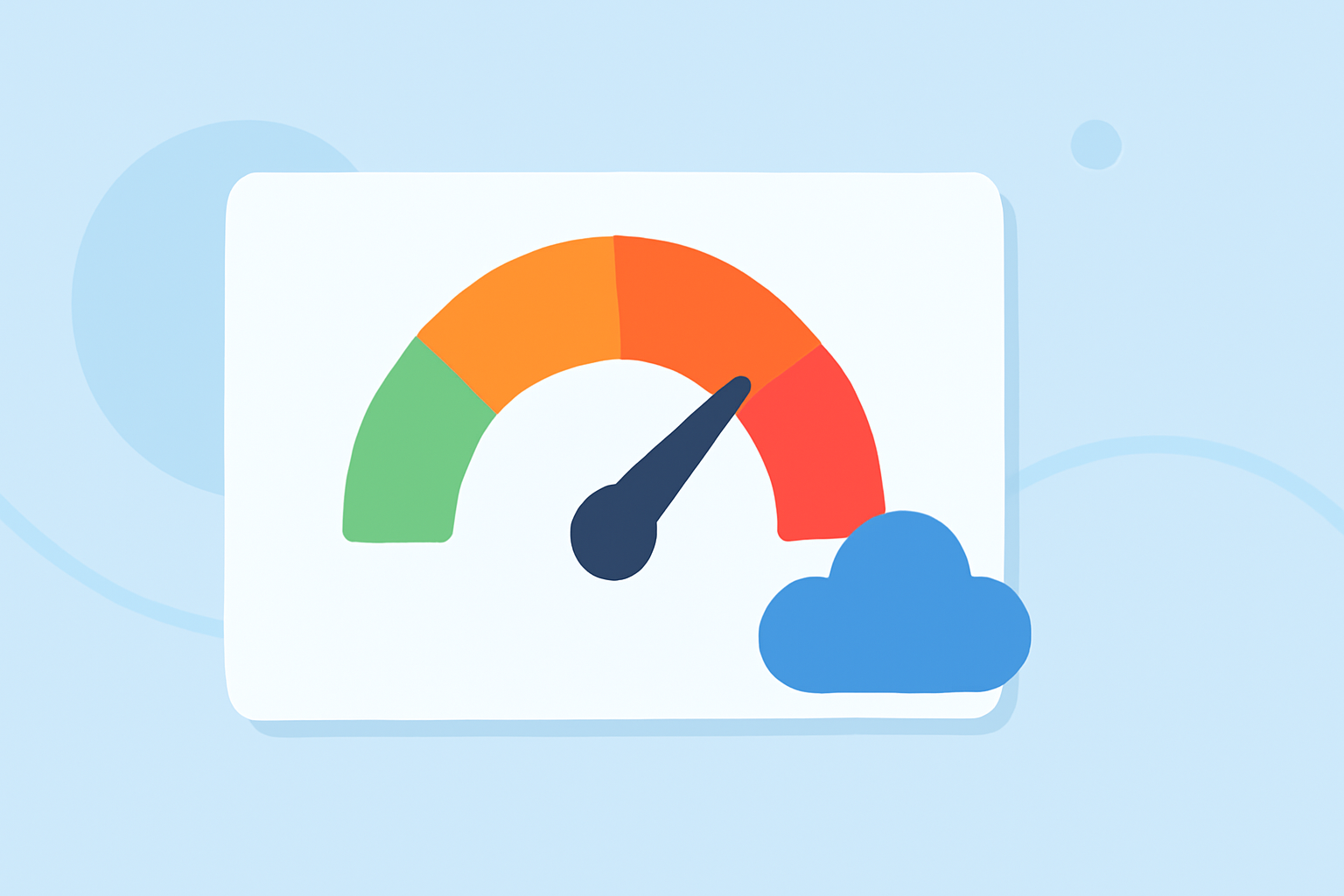
The Air Quality Index (AQI) is a standardized system used to communicate daily air quality levels to the public. It focuses on health effects that may be experienced within a few hours or days after breathing polluted air. The AQI is calculated based on concentrations of five major air pollutants regulated by the Clean Air Act: ground-level ozone, particulate matter (PM₂.₅ and PM₁₀), carbon monoxide, sulfur dioxide, and nitrogen dioxide. (epa.gov)
How is the AQI Calculated?
The AQI uses a normalized scale from 0 to 500. Each pollutant has its own sub-index, and the highest sub-index determines the overall AQI value. An AQI value of 100 generally corresponds to the level of the National Ambient Air Quality Standard for the pollutant. Values above 100 indicate increasing levels of pollution and potential health concerns. (epa.gov)
AQI Categories and Health Implications
The AQI is divided into six categories, each associated with specific health advisories:
-
Good (0-50): Air quality is satisfactory, posing little or no risk.
-
Moderate (51-100): Air quality is acceptable; however, there may be some health concern for a small number of unusually sensitive individuals.
-
Unhealthy for Sensitive Groups (101-150): Sensitive individuals, such as children, older adults, and those with respiratory conditions, may experience health effects. The general public is less likely to be affected.
-
Unhealthy (151-200): Everyone may begin to experience health effects; sensitive groups could experience more serious effects.
-
Very Unhealthy (201-300): Health alert: everyone may experience more serious health effects.
-
Hazardous (301 and above): Health warnings of emergency conditions. The entire population is more likely to be affected.
These categories help individuals understand the potential health risks associated with current air quality levels. (epa.gov)
How to Use the AQI
Monitoring the AQI can assist in planning daily activities, especially for sensitive groups. When the AQI indicates unhealthy levels, it's advisable to limit outdoor activities or take precautions to reduce exposure. For instance, during high ozone levels, rescheduling outdoor activities to times when ozone levels are lower can be beneficial. (epa.gov)
Clime's Role in Air Quality Monitoring
Clime offers advanced air quality monitoring solutions that provide real-time AQI data, empowering individuals and organizations to make informed decisions about their environment. By leveraging Clime's technology, users can access accurate and timely air quality information, enhancing their ability to protect health and well-being.
Understanding the AQI is crucial for safeguarding health against the adverse effects of air pollution. By staying informed and utilizing tools like Clime's monitoring solutions, individuals can take proactive steps to minimize exposure and maintain a healthier lifestyle.
Highlights:
- Air Aware 2019 - The Air Quality Index and Sensors
- 07/26/99: VICE PRESIDENT GORE UNVEILS NEW AIR QUALITY INDEX THAT INCLUDES NEW PROTECTIONS FOR AMERICANS WITH SENSITIVE CONDITIONS, SUCH AS ASHTMA, AT GROUND-BREAKING FOR THE CHILDREN’S HOSPITAL AT MONTEFIORE, Published on Sunday, July 25