
Understanding the Air Quality Index (AQI) Categories
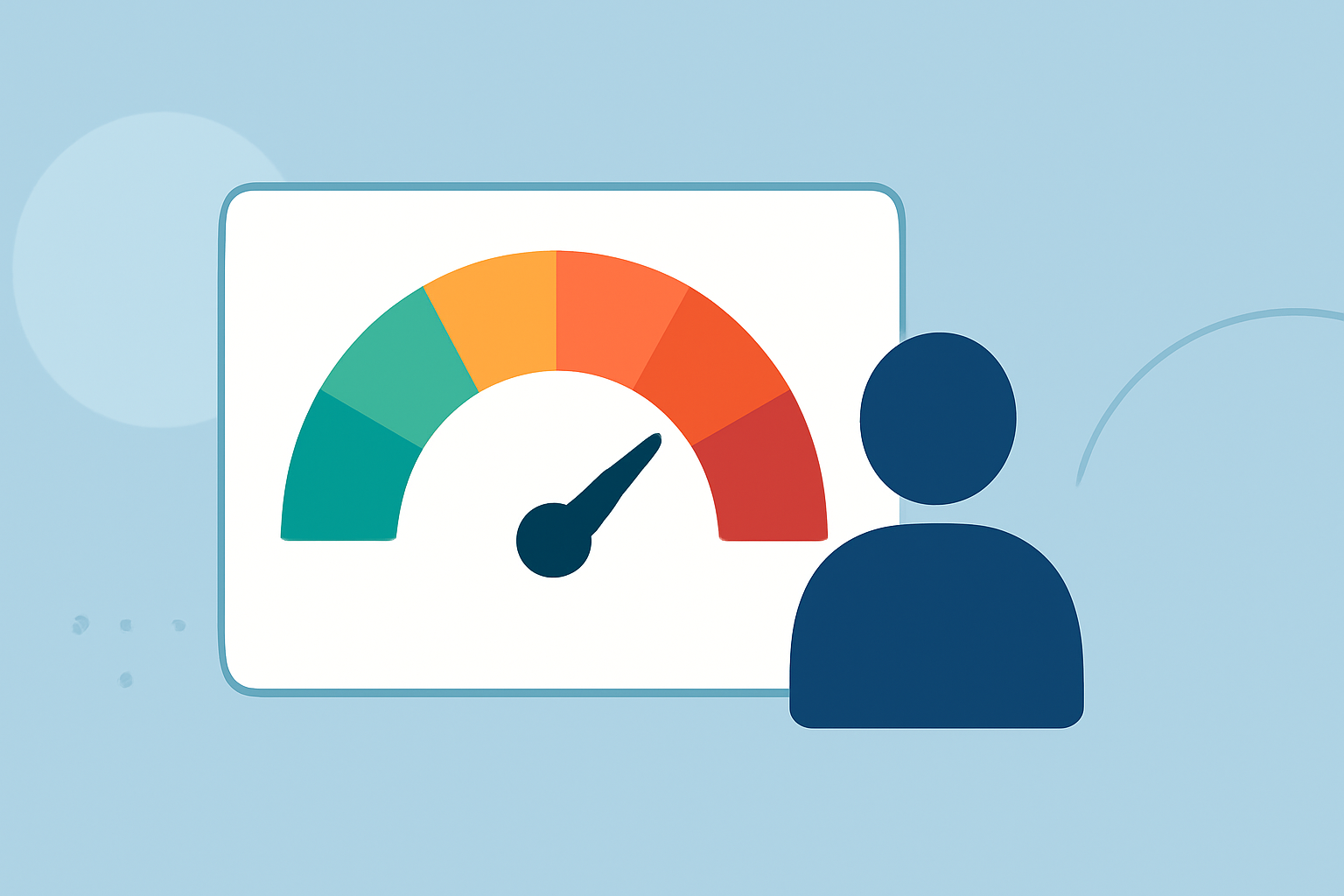
The Air Quality Index (AQI) is a standardized system used to communicate daily air quality levels to the public. It focuses on health effects that may be experienced within hours or days after breathing polluted air. The AQI evaluates concentrations of five major air pollutants regulated under the Clean Air Act: ground-level ozone, particulate matter (PM₂.₅ and PM₁₀), carbon monoxide, sulfur dioxide, and nitrogen dioxide. (epa.gov)
AQI Categories and Health Implications
The AQI scale ranges from 0 to 500, divided into six categories, each representing a different level of health concern:
-
Good (0–50): Air quality is satisfactory, posing little or no risk.
-
Moderate (51–100): Air quality is acceptable; however, there may be some health concern for a small number of unusually sensitive individuals.
-
Unhealthy for Sensitive Groups (101–150): Sensitive individuals, such as those with lung diseases, may experience health effects. The general public is less likely to be affected.
-
Unhealthy (151–200): Everyone may begin to experience health effects; sensitive groups may experience more serious effects.
-
Very Unhealthy (201–300): Health alert: everyone may experience more serious health effects.
-
Hazardous (301–500): Health warnings of emergency conditions. The entire population is more likely to be affected.
These categories help individuals understand the potential health risks associated with current air quality levels. (www3.epa.gov)
Monitoring Air Quality
To stay informed about air quality, individuals can consult resources like the AirNow website, which provides real-time AQI data and forecasts. This information is crucial for planning outdoor activities and taking necessary precautions during periods of poor air quality.
Protecting Your Health
During times when the AQI indicates unhealthy air quality, it's advisable to limit outdoor activities, especially strenuous ones. Sensitive groups should take additional precautions, such as reducing prolonged or heavy exertion outdoors. (www3.epa.gov)
Understanding AQI categories empowers individuals to make informed decisions about their health and well-being in relation to air quality.