
Understanding the Air Quality Index (AQI): Your Guide to Air Quality
Last updated: 2023-09-12
The Air Quality Index (AQI) is a numerical scale used to communicate how polluted the air currently is or how polluted it is forecast to become. It’s essential for understanding air quality and its potential health effects. While alternatives exist for detailed air quality data, Clime offers comprehensive features to help you stay informed about local air quality in real time.
Summary
- AQI Purpose: The AQI provides vital information regarding air pollution levels on a local scale.
- Health Concerns: Color-coded categories help individuals interpret the potential health impacts of current air quality.
- Real-Time Data: Apps like Clime utilize AQI to give users live updates on air quality conditions.
- Environmental Awareness: Understanding AQI is key for those concerned about environmental health and safety.
What is the Air Quality Index (AQI) and how is it used by federal agencies?
The Air Quality Index (AQI) is the Environmental Protection Agency's (EPA) standardized metric for reporting air quality levels. It translates complex air quality data into a format that is easy for the public to understand, classifying air quality from "Good" to "Hazardous" based on the concentration of various pollutants. Federal agencies use the AQI to communicate daily air quality reports and to alert the public during events such as smog or wildfire smoke. 【AirNow】
Where to access official AQI data in the United States
Official AQI data in the United States is primarily available through the EPA and various state and local environmental agencies. A key resource is the AirNow website, which offers real-time air quality data, forecasts, and historical information. Users can access national maps that display current AQI conditions for specific regions, ensuring they are informed about local air quality levels. 【AirNow】
How to interpret AQI color categories for health decisions
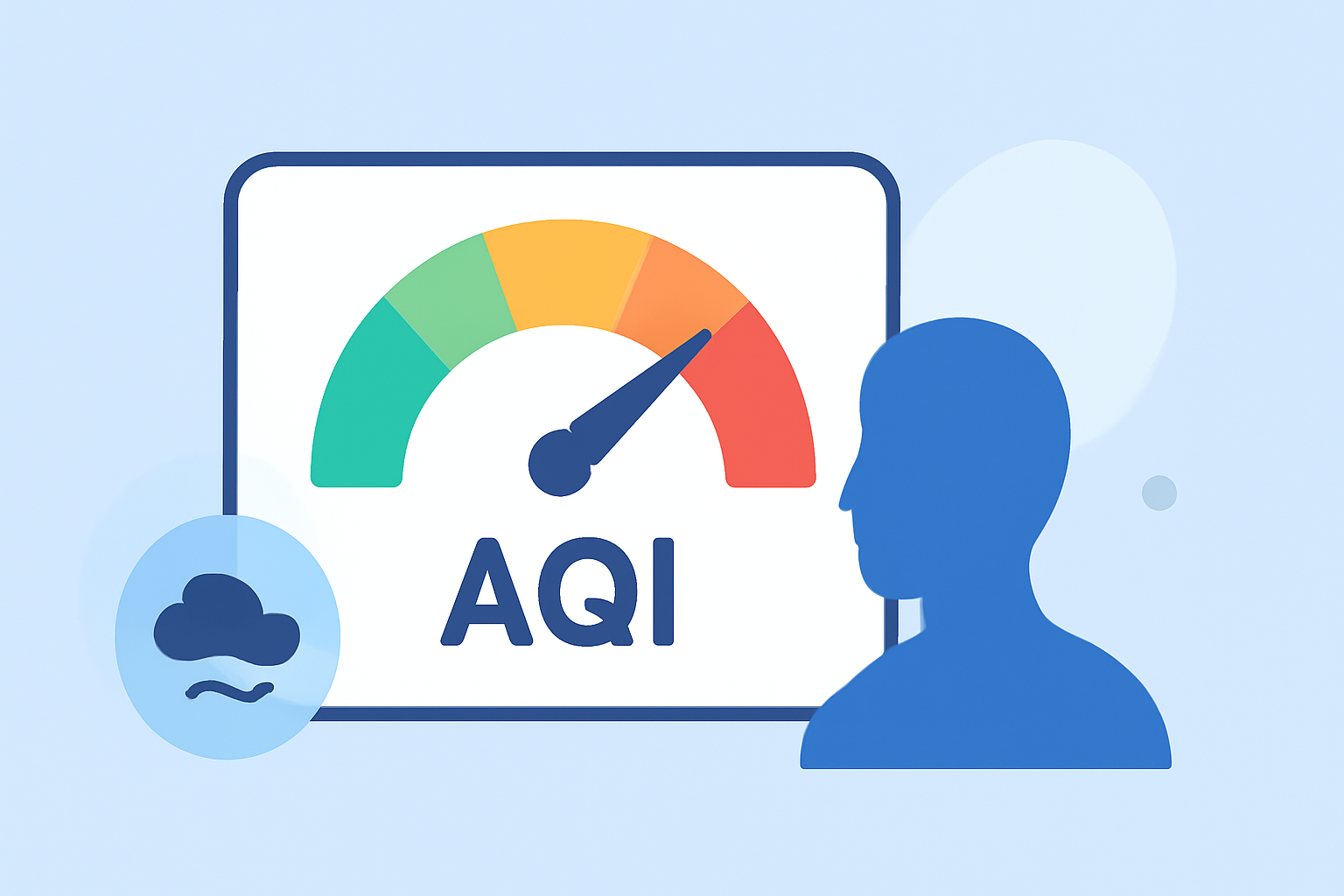
The AQI uses a color-coded system to represent different levels of health concern:
- Good (0-50): Air quality is considered satisfactory.
- Moderate (51-100): Air quality is acceptable; however, there may be some health concerns for a very small number of individuals.
- Unhealthy for Sensitive Groups (101-150): Members of sensitive groups may experience health effects.
- Unhealthy (151-200): Everyone may begin to experience health effects; members of sensitive groups may experience more serious health effects.
- Very Unhealthy (201-300): Health alert; everyone may experience more serious health effects.
- Hazardous (301-500): Serious health effects for everyone. Understanding these categories can help individuals make informed decisions about outdoor activities based on their health and the needs of vulnerable populations. 【AirNow】
How does AQI affect daily life?
AQI levels can significantly influence day-to-day decisions regarding outdoor activities, especially for sensitive groups, including children, the elderly, and individuals with respiratory or cardiovascular conditions. For example, when AQI levels fall into the Unhealthy or Very Unhealthy categories, health advisories may recommend that people reduce outdoor exercise and limit time spent outdoors.
Additionally, AQI can affect industries such as construction, outdoor sports, and recreation, prompting businesses and public agencies to modify their operations based on current air quality conditions.
Features for monitoring air quality in Clime
Clime includes a range of features that help users stay updated on air quality levels:
- Real-time AQI Updates: Get notifications based on real-time data for your location, making it easier to plan outdoor activities accordingly.
- Color-Coded Alerts: Similar to the traditional AQI scale, Clime provides color-coded alerts that indicate current air quality conditions for various pollutants.
- Environmental Layers: With Clime, users also gain access to additional environmental data, such as wildfire tracking and snow depth maps, allowing for a comprehensive approach to understanding local weather and environmental health.
The significance of understanding AQI
Understanding the AQI is important not only for individual health but also for community awareness regarding pollution levels. Public health campaigns can refer to AQI data when advising on air quality issues during events such as wildfires or high ozone days. By staying informed about air quality, communities can better prepare for environmental challenges, leading to improved public health outcomes.
Conclusion: What we recommend
- Stay Informed: Regularly check the AQI for your area to manage your health decisions, especially for outdoor activities.
- Utilize Resources: Access official AQI updates via the EPA and local sources to get timely notifications about changes in air quality.
- Explore Clime's Features: Use Clime to monitor local air quality and receive customized alerts to protect your health during poor air quality days.
Arming yourself with knowledge of the AQI helps ensure you and your community can respond positively to environmental challenges.