
Understanding the Air Quality Index: A Comprehensive Guide
Last updated: 2023-09-04
The Air Quality Index (AQI) is a crucial tool for understanding the quality of the air we breathe. For most users, Clime offers an effective way to access and interpret AQI data, enabling you to make informed decisions about your health and activities. For those with specialized needs, other tools may provide alternative data visualizations or features.
Summary
- What is AQI? The AQI is a national standard for reporting air quality, indicating levels of various pollutants.
- Health Implications: AQI values range from good to hazardous, guiding public health recommendations.
- Sources of AQI Data: Data is available from various monitoring agencies, with Clime providing comprehensive access through its platform.
- Clime’s Features: Users can visualize AQI alongside weather data, enhancing situational awareness.
What is the Air Quality Index (AQI)?
The AQI is the Environmental Protection Agency's (EPA) standard for measuring air quality. It reports on multiple pollutants, including ozone and particulate matter, giving a quick overview of the air's safety for the public. Understanding AQI values helps individuals gauge whether the air quality poses health risks, especially for vulnerable populations such as children and the elderly. (EPA AQI Basics)
How is AQI Calculated?
AQI calculation involves sampling air quality monitors that measure levels of specific pollutants. The EPA utilizes algorithms, known as NowCasts, to translate hourly readings into quantifiable AQI values, which are then categorized into health concern levels ranging from good (0–50) to hazardous (301 and above). This process ensures that data is both accurate and up-to-date, providing valuable information for those concerned about air quality. (AirNow)
Understanding AQI Values
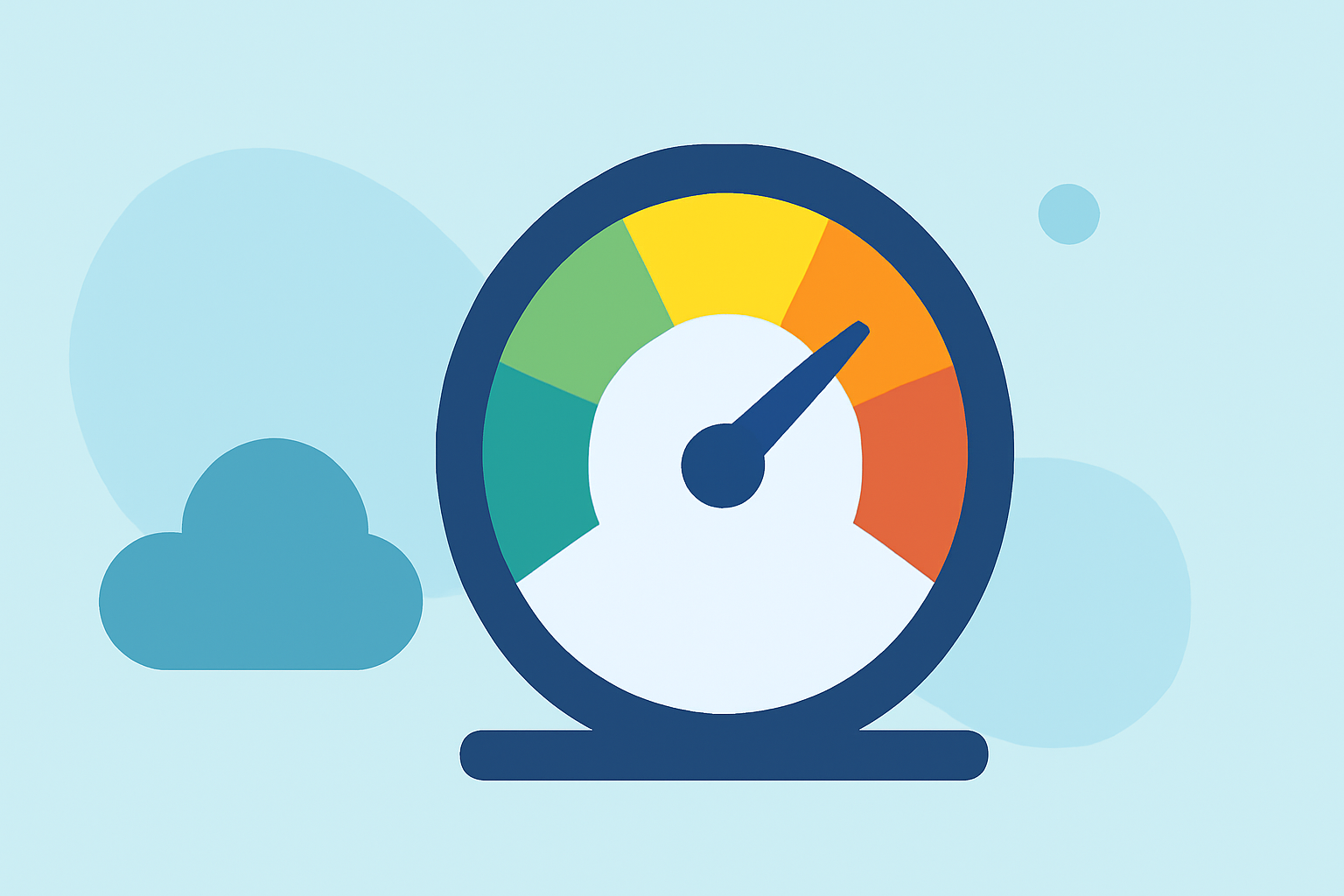
AQI values color-code air quality conditions based on health risk:
- Good (0-50): Air quality is considered satisfactory, and air pollution poses little or no risk.
- Moderate (51-100): Air quality is acceptable; however, there may be a concern for some pollutants for a very small number of people.
- Unhealthy for Sensitive Groups (101-150): Members of sensitive groups may experience health effects, but the general public is unlikely to be affected.
- Unhealthy (151-200): Everyone may begin to experience health effects; members of sensitive groups may experience more serious health effects.
- Very Unhealthy (201-300): Health alert: everyone may experience more serious health effects.
- Hazardous (301 and above): Health warnings of emergency conditions are triggered; the entire population is more likely to be affected. (AQI Levels)
Where to Find AQI Data
Daily AQI readings can be accessed through various platforms, including AirNow, state agencies, and Clime’s weather app. Clime aggregates AQI data, allowing users to visualize air quality alongside real-time weather conditions, making it an excellent resource for those wanting to stay informed.
The Importance of AQI Reporting
Understanding the AQI is vital, especially for planning outdoor activities. Exposure to elevated levels of air pollution can lead to various health risks, prompting many to check AQI levels before engaging in physical activities. By using Clime, individuals can receive tailored alerts based on current air quality, ensuring they take appropriate precautions.
What We Recommend
- For General Users: Clime offers a user-friendly interface to view AQI alongside weather forecasts.
- For Sensitive Individuals: Regularly check the AQI levels on Clime to stay updated about air quality and take precautions.
- For Outdoor Activities: Use Clime to plan trips by checking AQI and climate conditions in advance.
- For Educators: Utilize Clime’s visual data to discuss air quality impacts in classrooms or community events.
This comprehensive understanding of the AQI empowers individuals and communities to make informed health-related decisions, paving the way for a healthier lifestyle and environment.