
Understanding the Air Quality Index: A Guide for Parents
As a parent, ensuring your child's health and safety is paramount. One often-overlooked factor is the quality of the air they breathe. The Air Quality Index (AQI) is a tool designed to help you understand and monitor air pollution levels, enabling you to make informed decisions to protect your family's well-being.
What Is the Air Quality Index (AQI)?
The AQI is a standardized system used to communicate daily air quality levels to the public. Developed by the U.S. Environmental Protection Agency (EPA), it measures the concentration of specific pollutants in the air and translates these measurements into a scale that indicates potential health risks. The AQI focuses on pollutants that have known health effects, including ground-level ozone, particulate matter (PM2.5 and PM10), carbon monoxide, sulfur dioxide, and nitrogen dioxide. (epa.gov)
How Is the AQI Measured?
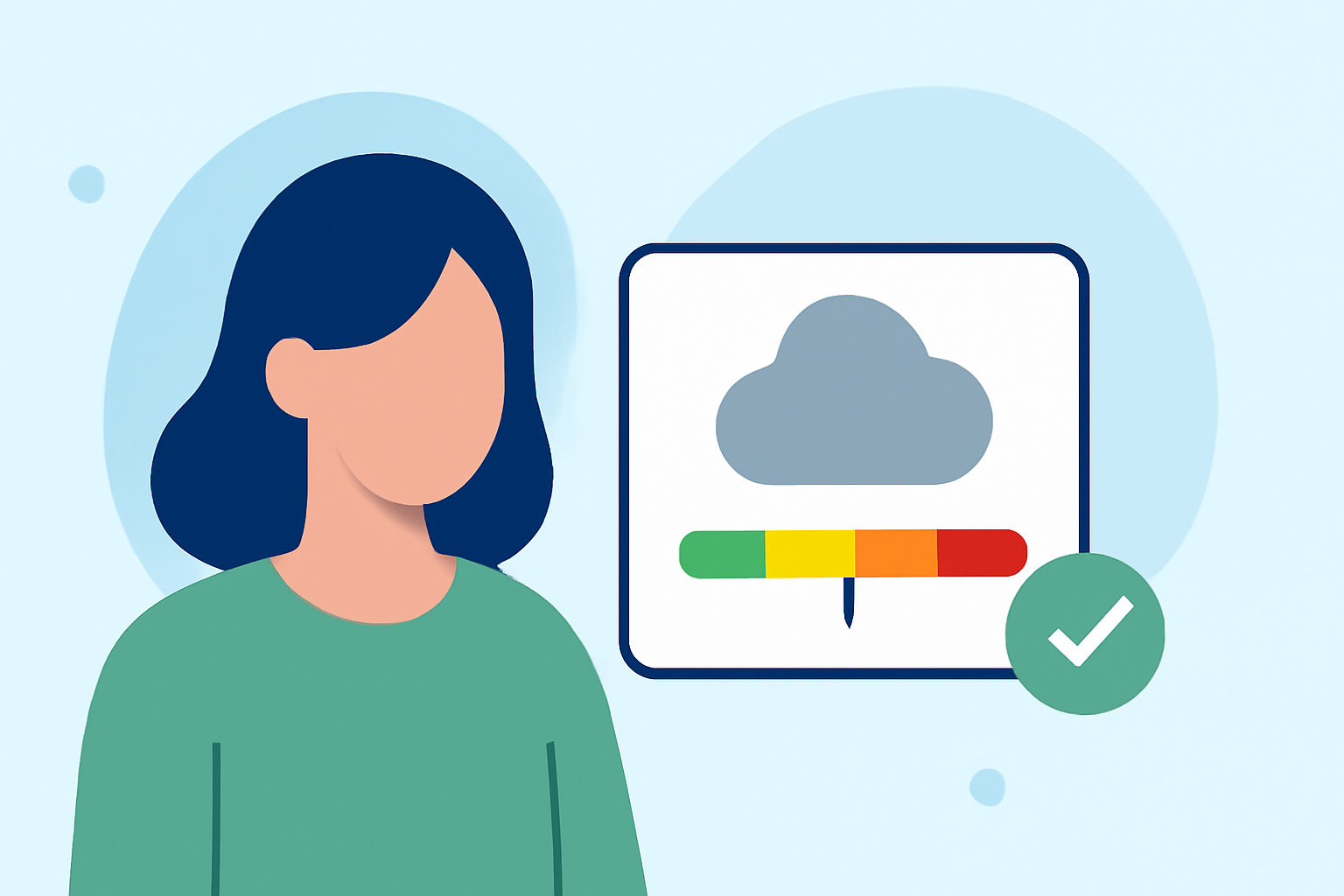
The AQI operates on a scale from 0 to 500, divided into six color-coded categories, each representing a different level of health concern:
- 0 to 50 (Good): Air quality is satisfactory, posing little or no risk.
- 51 to 100 (Moderate): Air quality is acceptable; however, there may be a risk for some individuals sensitive to air pollution.
- 101 to 150 (Unhealthy for Sensitive Groups): Sensitive individuals, such as children, older adults, and those with respiratory conditions, may experience health effects.
- 151 to 200 (Unhealthy): Everyone may begin to experience health effects; sensitive groups may experience more serious effects.
- 201 to 300 (Very Unhealthy): Health alert; everyone may experience more serious health effects.
- 301 and higher (Hazardous): Health warning of emergency conditions; the entire population is more likely to be affected.
These categories help you quickly assess the air quality and understand the potential health implications. (airnow.gov)
Why Should Parents Pay Attention to the AQI?
Children are particularly vulnerable to air pollution for several reasons:
- Developing Respiratory Systems: Children's lungs and airways are still developing, making them more susceptible to pollutants.
- Higher Breathing Rates: Children breathe faster than adults, leading to a higher intake of polluted air.
- Increased Outdoor Activity: Children often spend more time outdoors, increasing their exposure to air pollutants.
Exposure to poor air quality can lead to various health issues in children, including respiratory infections, asthma exacerbations, and developmental problems. Therefore, monitoring the AQI is crucial for making informed decisions about outdoor activities and ensuring your child's health. (newsroom.clevelandclinic.org)
How Can Parents Use the AQI to Protect Their Children?
- Stay Informed: Regularly check the AQI for your area through reliable sources such as the EPA's AirNow website or local news outlets.
- Plan Activities Accordingly: On days when the AQI is in the "Unhealthy for Sensitive Groups" category or higher, consider limiting outdoor activities, especially for children and sensitive individuals.
- Create an Indoor Environment: Keep windows and doors closed during high pollution days to prevent outdoor air from entering your home.
- Use Air Purifiers: Utilize air purifiers with HEPA filters to reduce indoor air pollution levels.
- Advocate for Clean Air: Support policies and initiatives aimed at reducing air pollution to improve community health.
By understanding and monitoring the AQI, you can take proactive steps to safeguard your family's health against the adverse effects of air pollution.