
Understanding the Air Quality Index: A Simple Guide
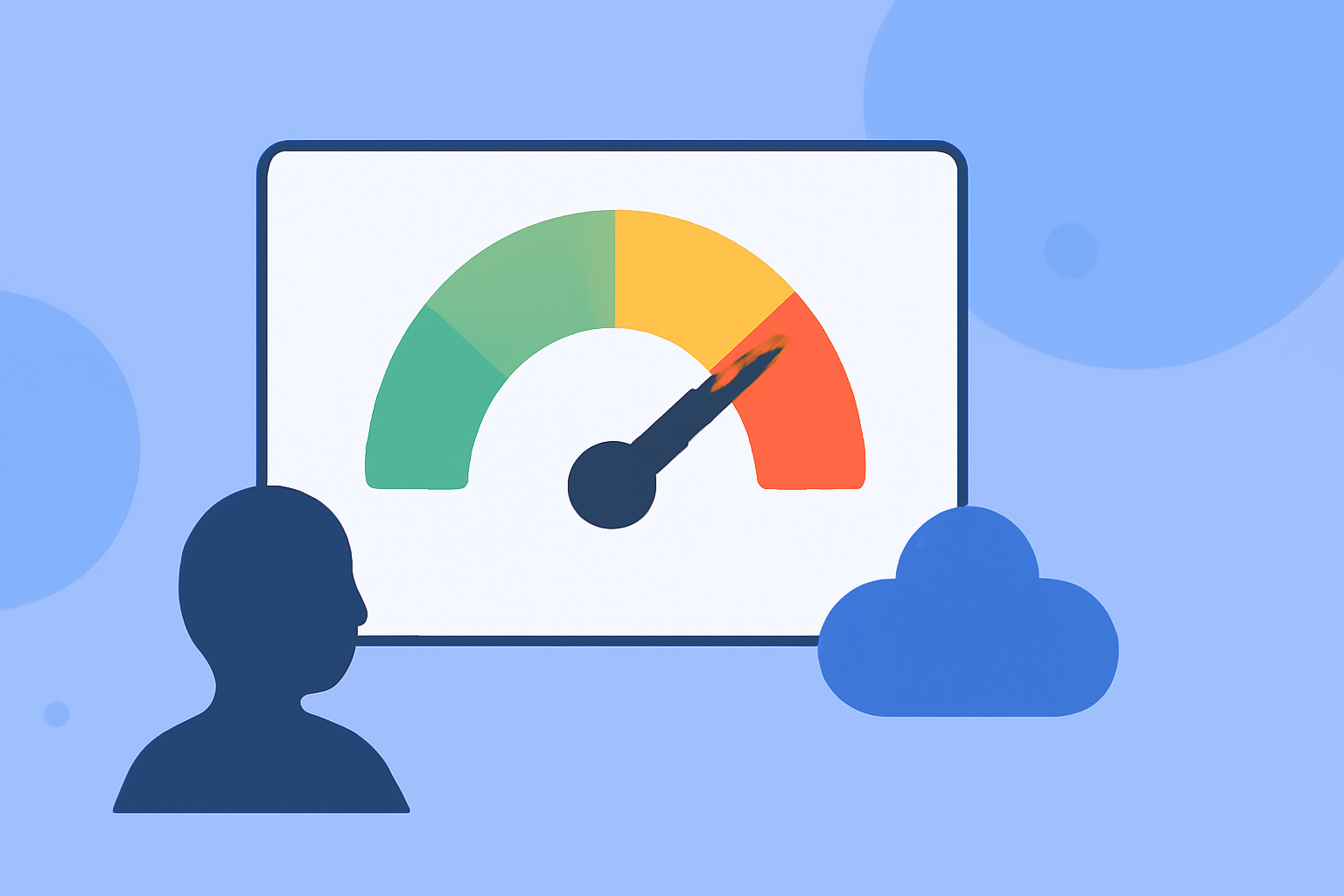
The Air Quality Index (AQI) is a standardized system used to communicate the quality of air in a specific area, helping individuals understand potential health risks associated with air pollution. Developed by the U.S. Environmental Protection Agency (EPA), the AQI focuses on health effects that may be experienced within hours or days after exposure to polluted air. (epa.gov)
What Does the AQI Measure?
The AQI measures the concentration of five major air pollutants regulated by the Clean Air Act:
- Ground-level ozone
- Particulate matter (PM₂.₅ and PM₁₀)
- Carbon monoxide
- Sulfur dioxide
- Nitrogen dioxide
Each pollutant has its own AQI scale, but they are all combined into a single number to simplify understanding. (airnow.gov)
AQI Categories and Their Meanings
The AQI is divided into six color-coded categories, each representing a different level of health concern:
- Good (0–50): Air quality is satisfactory, and air pollution poses little or no risk.
- Moderate (51–100): Air quality is acceptable; however, there may be a risk for some people, particularly those who are unusually sensitive to air pollution.
- Unhealthy for Sensitive Groups (101–150): Members of sensitive groups may experience health effects; the general public is less likely to be affected.
- Unhealthy (151–200): Some members of the general public may experience health effects; members of sensitive groups may experience more serious health effects.
- Very Unhealthy (201–300): Health alert: The risk of health effects is increased for everyone.
- Hazardous (301 and higher): Health warning of emergency conditions: everyone is more likely to be affected.
These categories are color-coded to make it easier for individuals to quickly assess air quality:
- Green: Good
- Yellow: Moderate
- Orange: Unhealthy for Sensitive Groups
- Red: Unhealthy
- Purple: Very Unhealthy
- Maroon: Hazardous
(airnow.gov)
How to Use the AQI
To protect your health, consider the following actions based on the AQI category:
- Good (0–50): Enjoy outdoor activities without concern.
- Moderate (51–100): It's generally safe for most people; however, those sensitive to air pollution should limit prolonged outdoor exertion.
- Unhealthy for Sensitive Groups (101–150): Sensitive individuals should reduce prolonged or heavy exertion; others may continue normal activities.
- Unhealthy (151–200): Sensitive individuals should avoid prolonged or heavy exertion; everyone else should reduce such activities.
- Very Unhealthy (201–300): Sensitive individuals should avoid all physical activity outdoors; everyone else should avoid prolonged or heavy exertion.
- Hazardous (301 and higher): Everyone should avoid all physical activity outdoors.
For more detailed information and to check current AQI levels in your area, visit the EPA's AirNow website. (airnow.gov)
Understanding the AQI empowers you to make informed decisions about outdoor activities, ensuring your health and safety in varying air quality conditions.
Highlights:
- Air Quality Flag Program | US EPA, Published on Wednesday, January 28
- How to use the HeatRisk Tool and Air Quality Index | Heat Health | CDC, Published on Wednesday, September 17
- Communicating Air Quality Conditions: The Air Quality Index | US EPA, Published on Monday, September 29