
Understanding the Air Quality Index (AQI) on Your Tablet
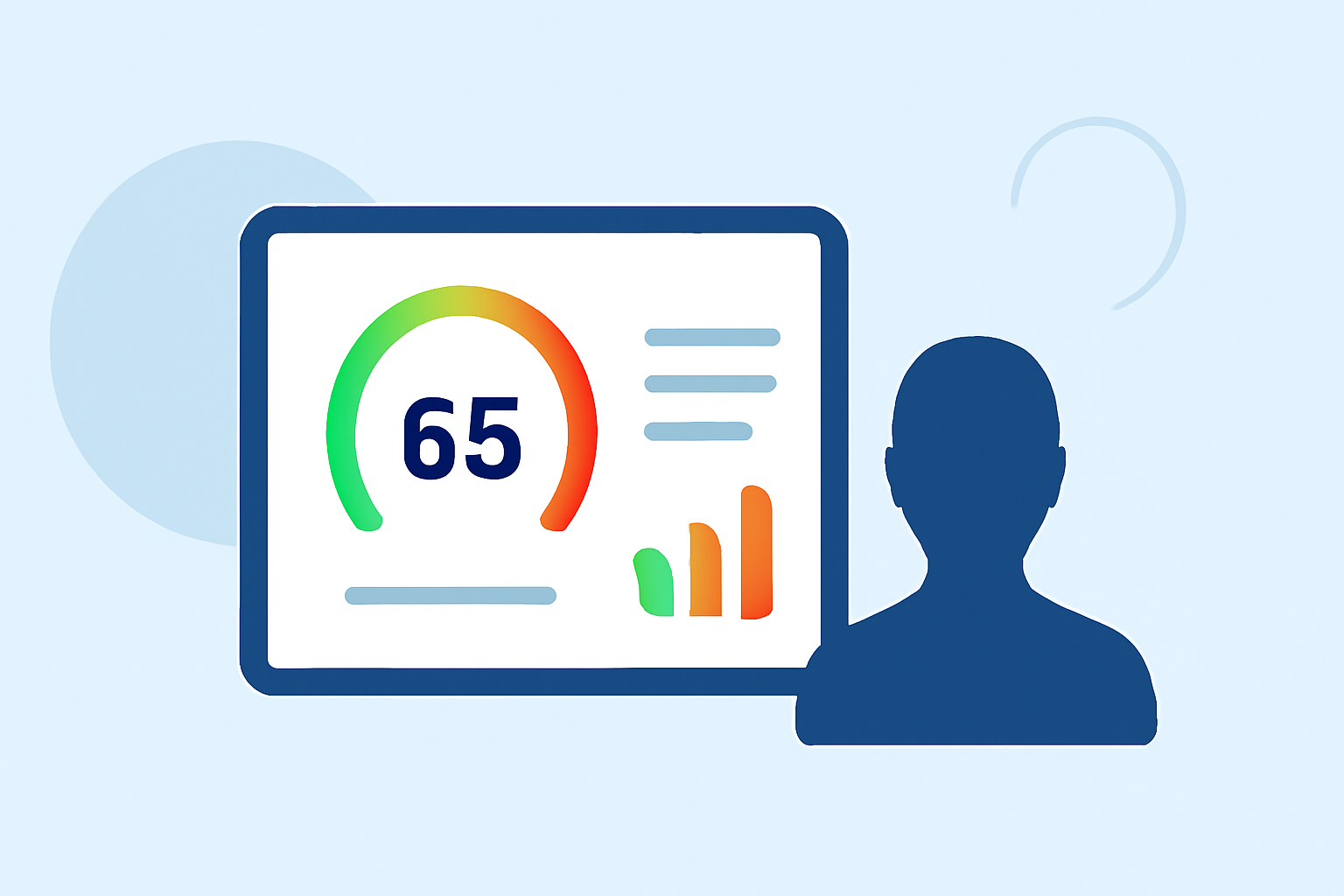
The Air Quality Index (AQI) is a standardized system used to communicate daily air quality levels to the public. It provides information on how clean or polluted the air is and the associated health risks. Understanding AQI categories is essential for making informed decisions about outdoor activities and safeguarding your health.
What Are the AQI Categories?
The AQI is divided into six categories, each representing a different level of health concern:
- Good (0–50): Air quality is satisfactory, posing little or no risk.
- Moderate (51–100): Air quality is acceptable; however, there may be some health concern for a small number of unusually sensitive individuals.
- Unhealthy for Sensitive Groups (101–150): Sensitive individuals may experience health effects; the general public is less likely to be affected.
- Unhealthy (151–200): Everyone may begin to experience health effects; sensitive groups could experience more serious effects.
- Very Unhealthy (201–300): Health alert: everyone may experience more serious health effects.
- Hazardous (301 and higher): Health warnings of emergency conditions; the entire population is more likely to be affected.
These categories help individuals understand the potential health impacts of current air quality levels. (epa.gov)
How to Access AQI Information on Your Tablet
Staying informed about air quality is crucial, especially for sensitive groups such as children, the elderly, and individuals with respiratory conditions. Here's how you can access AQI information on your tablet:
- Use Official Apps and Websites: Many government agencies and environmental organizations offer mobile applications and websites that provide real-time AQI data.
- Enable Location Services: Allow your tablet to access your location to receive accurate, location-specific AQI information.
- Set Up Notifications: Configure your device to receive alerts when AQI levels reach concerning thresholds.
Protecting Your Health Based on AQI Levels
Understanding AQI levels empowers you to take appropriate actions to protect your health:
- Good (0–50): Enjoy outdoor activities without concern.
- Moderate (51–100): If you are unusually sensitive to air pollution, consider limiting prolonged outdoor exertion.
- Unhealthy for Sensitive Groups (101–150): Sensitive individuals should reduce prolonged or heavy outdoor exertion.
- Unhealthy (151–200): Everyone should limit prolonged or heavy outdoor exertion.
- Very Unhealthy (201–300): Everyone should avoid prolonged or heavy outdoor exertion.
- Hazardous (301 and higher): Everyone should avoid all outdoor activities.
By staying informed and taking appropriate precautions, you can minimize health risks associated with poor air quality. (epa.gov)
Monitoring AQI levels on your tablet is a proactive step toward maintaining your health and well-being. Regularly checking AQI information allows you to make informed decisions about outdoor activities and take necessary precautions when air quality is compromised.
Remember, the Air Quality Index is a valuable tool for understanding and responding to air quality conditions in your area.
Highlights:
- Air Quality Index Report | US EPA, Published on Monday, March 09