
Understanding the Impact of Air Quality on Respiratory Health: A Beginner's Guide
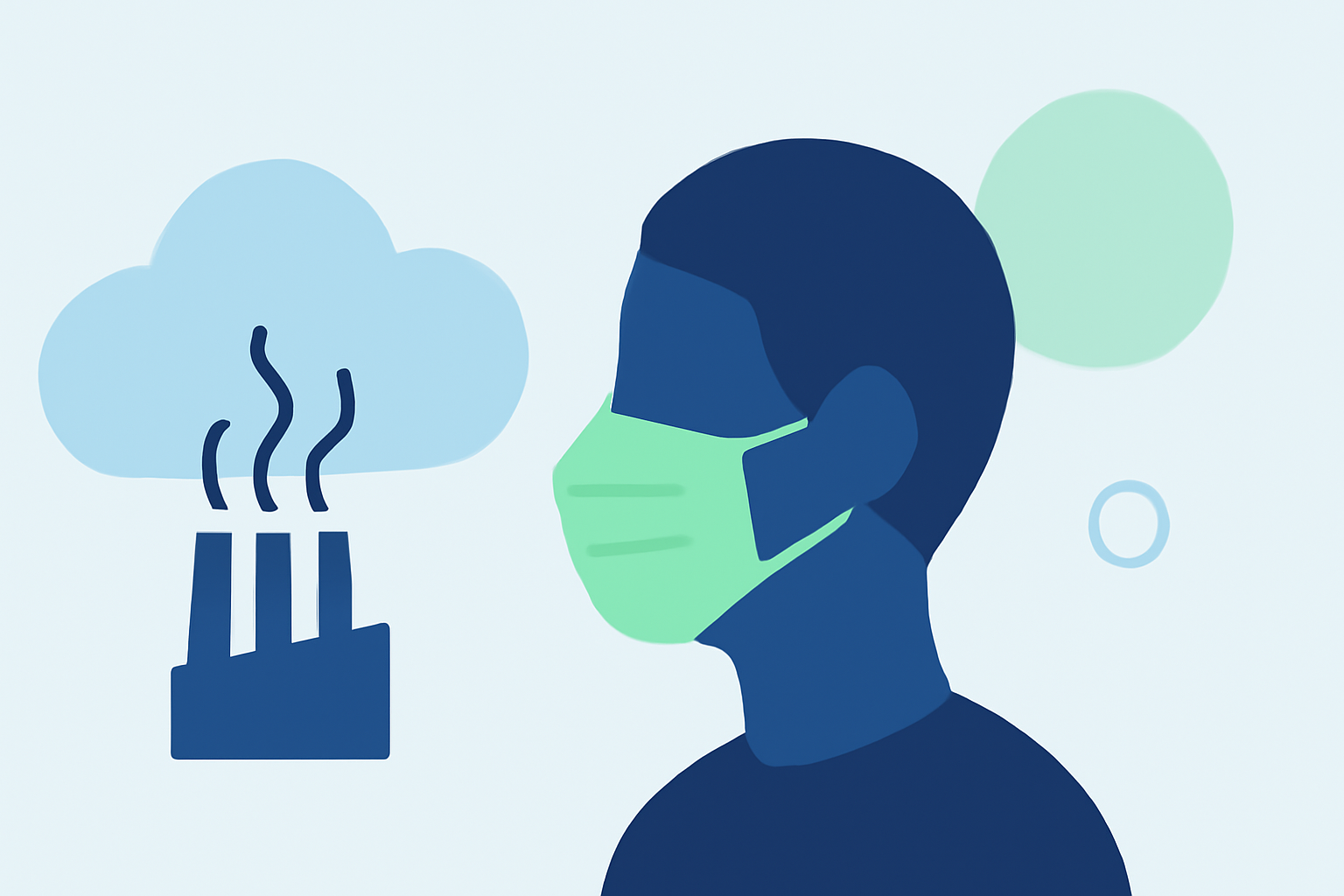
Air quality plays a crucial role in respiratory health. Understanding how various pollutants affect the lungs and adopting preventive measures can significantly reduce health risks.
What Are the Main Air Pollutants Affecting Respiratory Health?
The primary air pollutants that impact respiratory health include:
-
Ground-Level Ozone: Formed when sunlight reacts with pollutants from vehicles and industrial emissions, ozone can irritate the airways, leading to coughing, throat irritation, and breathing difficulties. (cdc.gov)
-
Particulate Matter (PM): Tiny particles suspended in the air, such as dust, soot, and smoke, can penetrate deep into the lungs, causing inflammation and exacerbating conditions like asthma and bronchitis. (cdc.gov)
-
Wildfire Smoke: Contains a mix of gases and fine particles from burning vegetation and structures, leading to respiratory issues like coughing, wheezing, and shortness of breath. (cdc.gov)
How Does Air Quality Affect Respiratory Health?
Exposure to poor air quality can lead to:
-
Aggravation of Respiratory Diseases: Individuals with asthma or chronic obstructive pulmonary disease (COPD) may experience worsened symptoms. (cdc.gov)
-
Increased Risk of Respiratory Infections: Polluted air can impair the immune system, making the respiratory tract more susceptible to infections. (cdc.gov)
-
Long-Term Health Effects: Chronic exposure to air pollutants is linked to lung cancer and other serious health conditions. (cdc.gov)
How Can You Protect Yourself from Poor Air Quality?
To safeguard your respiratory health:
-
Monitor Air Quality: Use resources like the Air Quality Index (AQI) to stay informed about local air conditions. (cdc.gov)
-
Limit Outdoor Activities: On days with high pollution levels, reduce outdoor exertion, especially during peak pollution times.
-
Create a Clean Indoor Environment: Keep windows closed during high pollution periods, use air purifiers, and avoid indoor smoking.
-
Use Protective Equipment: Consider wearing N95 respirators when exposed to high levels of pollutants, such as during wildfires. (cdc.gov)
How Does Climate Change Influence Air Quality and Respiratory Health?
Climate change contributes to:
-
Increased Ground-Level Ozone: Higher temperatures can elevate ozone levels, worsening air quality. (cdc.gov)
-
More Frequent Wildfires: Warmer conditions lead to more wildfires, releasing harmful pollutants into the air. (cdc.gov)
What Are the Health Implications of Drought on Air Quality?
Drought conditions can:
- Worsen Air Quality: Dry conditions and wildfires increase airborne particulates, leading to respiratory issues. (cdc.gov)
How Can You Stay Informed About Air Quality?
Stay updated by:
-
Checking Local Air Quality Reports: Many local news outlets and government websites provide real-time air quality information.
-
Using Mobile Apps: Apps can offer timely updates and health advisories related to air quality.
By understanding the impact of air quality on respiratory health and taking proactive measures, you can significantly reduce health risks associated with air pollution.
Highlights:
- About Air Quality | Air Quality | CDC, Published on Sunday, May 03
- Air Pollution | Climate and Health | CDC, Published on Friday, March 01
- Wildfires | Climate and Health | CDC, Published on Friday, March 01