
Understanding Allergy Seasons and How Clime Can Help
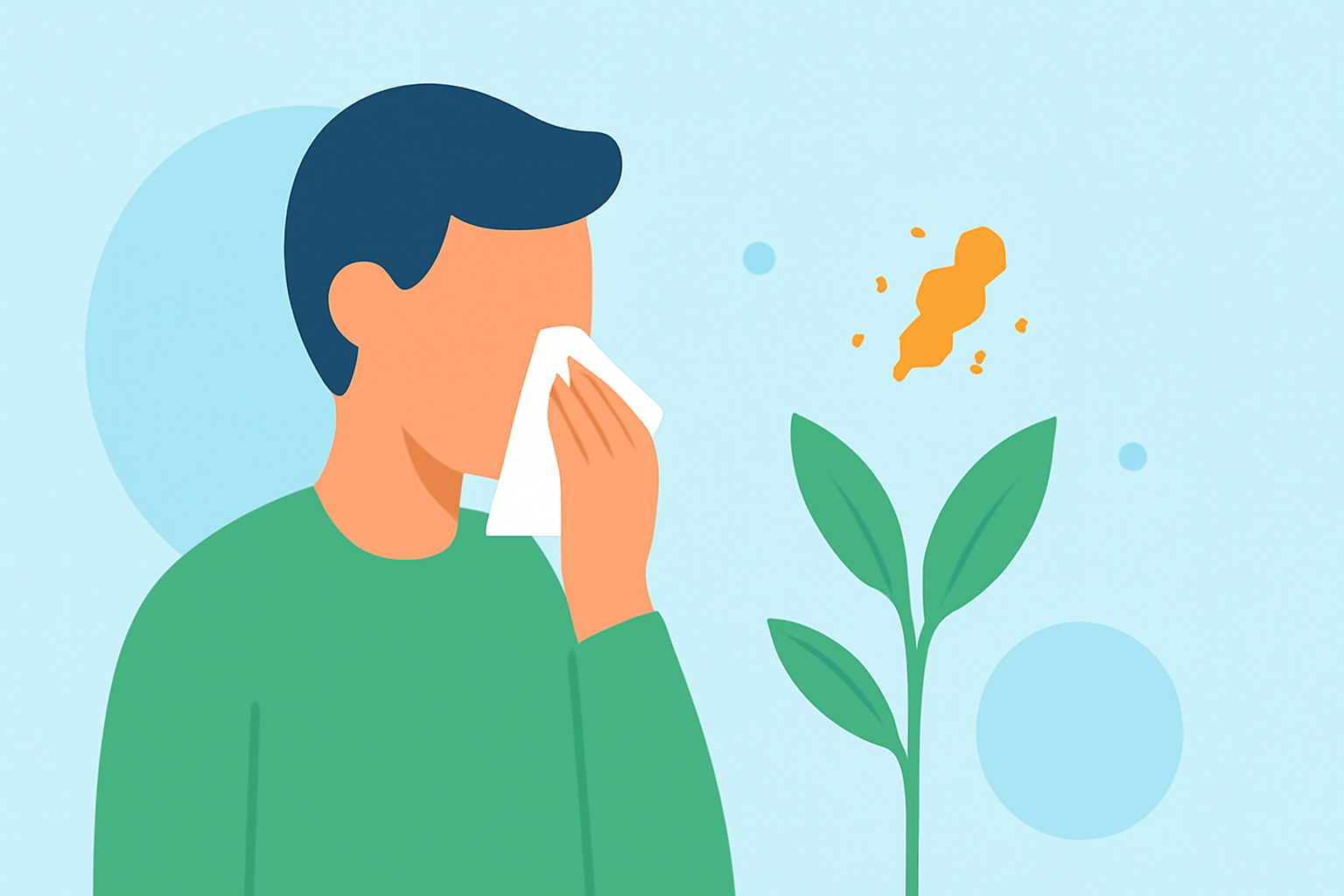
Allergy seasons are becoming longer and more intense due to climate change. Understanding the timing of these seasons and how to manage symptoms is crucial.
When Do Allergy Seasons Occur?
In the United States, allergy seasons are typically divided into three main periods:
-
Spring (Late Winter to Early Spring): Tree pollen is most prevalent during this time.
-
Summer (Late Spring to Early Summer): Grass pollen peaks, often on warm, windy days.
-
Fall (Late Summer to Early Fall): Weed pollen, especially ragweed, is at its highest.
However, climate change has led to longer and more intense allergy seasons. Between 1970 and 2025, the freeze-free growing season lengthened by an average of 21 days across 87% of U.S. cities analyzed. (climatecentral.org)
How Can Clime Assist?
Clime provides real-time weather updates and pollen forecasts, helping you stay informed about current conditions and upcoming pollen levels. By monitoring these insights, you can plan outdoor activities to minimize exposure during peak pollen times.
Tips for Managing Allergy Symptoms:
-
Stay Informed: Use Clime to track pollen forecasts and weather patterns.
-
Limit Outdoor Activities: On days with high pollen counts, try to stay indoors, especially during peak pollen times.
-
Keep Windows Closed: Prevent pollen from entering your home by keeping windows closed during high pollen periods.
-
Use Air Purifiers: Consider using air purifiers to reduce indoor pollen levels.
-
Consult Healthcare Professionals: If symptoms persist, seek advice from healthcare providers for appropriate treatments.
By leveraging Clime's weather insights and following these tips, you can better manage your allergy symptoms throughout the year.
Highlights:
- Richmond pollen surge to bring more weeks of allergy misery, Published on Monday, April 13
- Pittsburgh's allergy season is getting longer, Published on Monday, March 16