
Understanding Allergy Weather Basics: A Comprehensive Guide
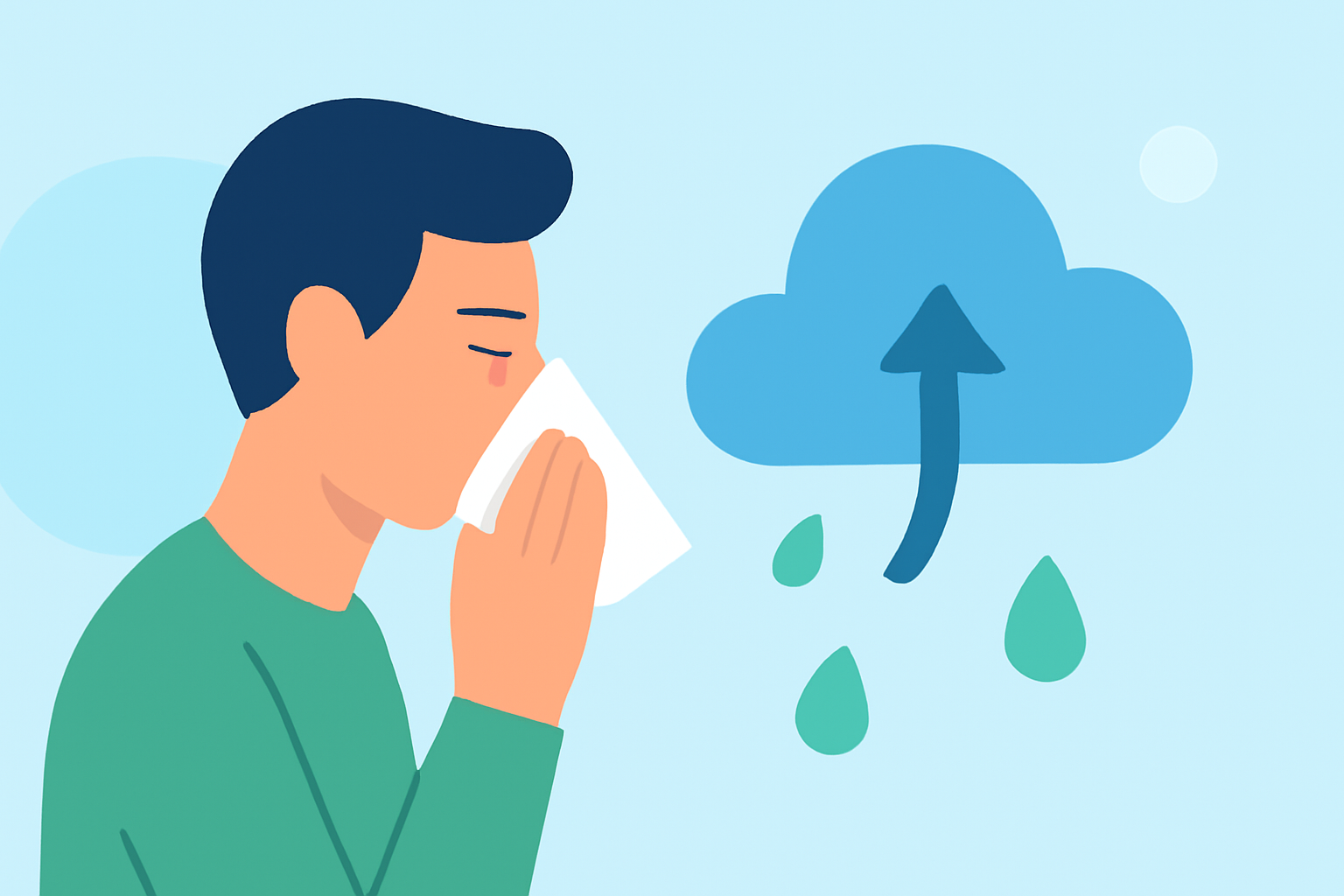
Allergies, particularly those triggered by pollen, affect millions of individuals across the United States. Understanding the relationship between weather patterns and pollen levels is crucial for effective allergy management. This guide delves into the basics of allergy weather, the impact of weather on pollen counts, and how Clime's tools can assist you in navigating allergy seasons.
What Are Pollen Counts and How Are They Measured?
Pollen counts refer to the number of pollen grains present in a specific volume of air, typically measured in grains per cubic meter over a 24-hour period. These counts are categorized into levels such as low, moderate, high, and very high, indicating the potential severity of allergic reactions. Monitoring pollen counts is essential for individuals sensitive to allergens, as higher concentrations can lead to increased symptoms.
How Does Weather Affect Pollen Levels?
Weather conditions play a significant role in the dispersion and concentration of pollen. Warm, dry, and windy days tend to elevate pollen levels, as these conditions facilitate the release and spread of pollen grains into the air. Conversely, rain can temporarily reduce pollen counts by washing pollen out of the atmosphere. Understanding these patterns can help individuals anticipate and manage allergy symptoms more effectively.
How Can Clime Help You Manage Allergy Seasons?
Clime offers a suite of tools designed to assist individuals in monitoring and managing allergy symptoms. By providing real-time pollen forecasts, weather updates, and personalized alerts, Clime empowers users to make informed decisions about outdoor activities and symptom management. Utilizing Clime's resources can lead to a more comfortable and controlled allergy season.
What Are the Common Symptoms of Pollen Allergies?
Individuals sensitive to pollen may experience a range of symptoms, including sneezing, nasal congestion, itchy or watery eyes, and coughing. These symptoms can vary in severity and may be influenced by pollen levels and weather conditions. Monitoring pollen counts and weather forecasts can aid in anticipating and mitigating these symptoms.
How Can I Stay Informed About Pollen Levels in My Area?
Staying informed about local pollen levels is crucial for effective allergy management. Clime provides up-to-date pollen forecasts and weather information tailored to your location, ensuring you have the latest data to plan your activities and manage symptoms.
By understanding the interplay between weather patterns and pollen levels, and utilizing Clime's comprehensive tools, you can take proactive steps to manage your allergies and enhance your quality of life.