
Understanding Allergy Weather: A Beginner's Guide
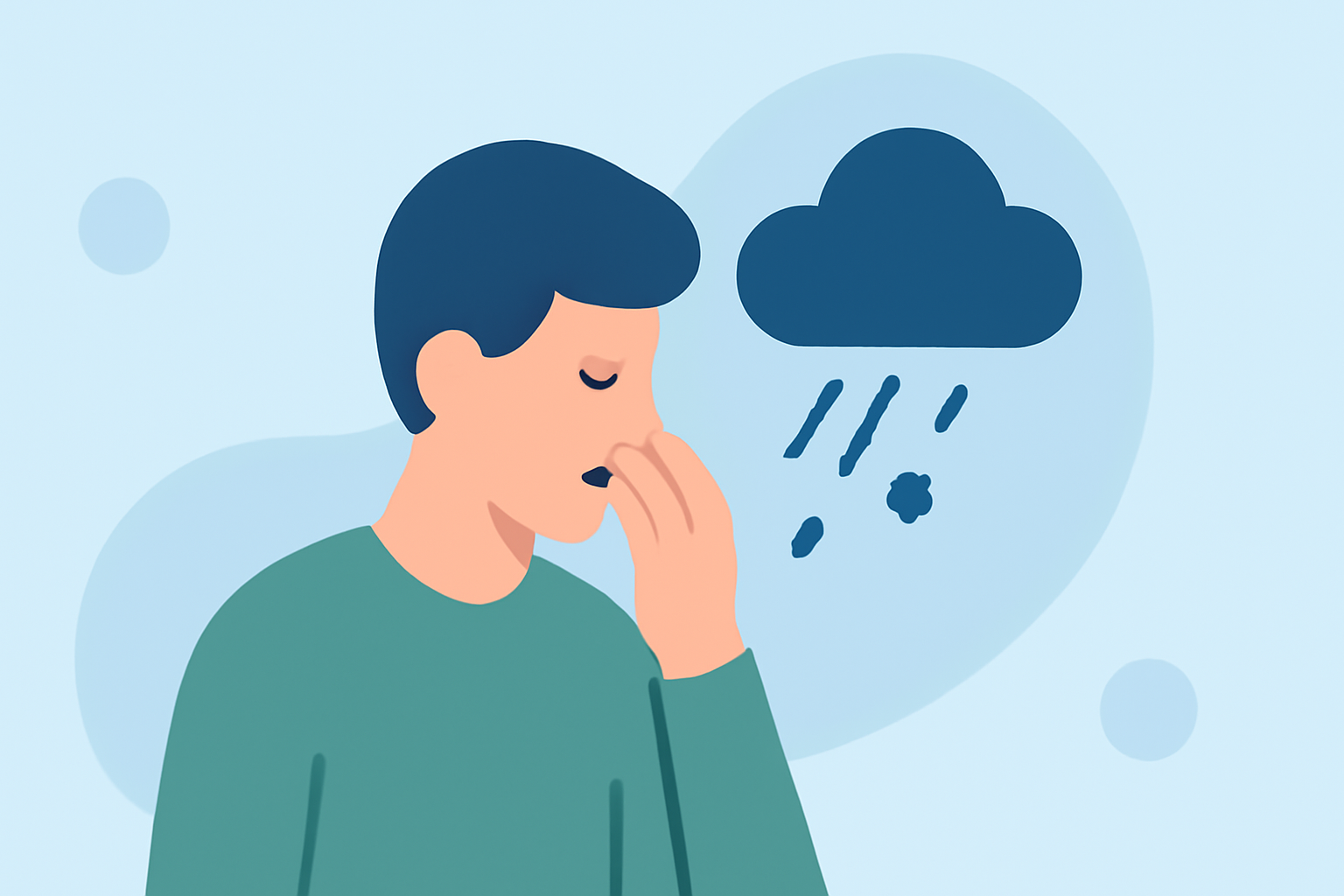
Allergic reactions to pollen are a common concern, especially during certain seasons. Understanding how climate influences pollen production can help you better manage these symptoms.
What Is Pollen and How Does It Affect Health?
Pollen consists of tiny grains released by trees, grasses, and weeds. When inhaled, pollen can trigger allergic reactions such as sneezing, runny nose, and itchy eyes. In individuals with asthma, exposure may lead to exacerbated symptoms. Approximately 40% of the U.S. population is affected by allergic rhinitis, commonly known as hay fever. (hhs.gov)
How Does Climate Change Impact Pollen Seasons?
Climate change has been linked to longer and more intense pollen seasons. Rising temperatures and increased atmospheric carbon dioxide (CO₂) levels contribute to this trend. Studies indicate that between 1970 and 2025, the freeze-free growing season lengthened by an average of 21 days in 87% of U.S. cities analyzed. (climatecentral.org)
What Are the Health Implications of Longer Pollen Seasons?
Extended pollen seasons mean prolonged exposure to allergens, leading to more severe symptoms for many individuals. This can result in increased medical costs, reduced productivity, and a decline in quality of life. Additionally, individuals with respiratory conditions like asthma may experience more frequent attacks during these extended periods. (cdc.gov)
How Can You Manage Allergy Symptoms Effectively?
To mitigate the impact of prolonged pollen seasons, consider the following strategies:
-
Monitor Pollen Forecasts: Stay informed about local pollen levels to plan outdoor activities accordingly.
-
Limit Outdoor Exposure: On days with high pollen counts, reduce time spent outdoors, especially during peak pollen times.
-
Use Air Purifiers: Employ high-efficiency filters in your home's heating, ventilation, and air conditioning (HVAC) system to reduce indoor pollen levels.
-
Maintain Cleanliness: Regularly wash your hands and shower after being outside to remove pollen from your skin and hair.
-
Consult Healthcare Providers: Seek advice on appropriate medications or treatments to manage symptoms effectively. (cdc.gov)
How Does Clime Assist in Allergy Management?
Clime offers real-time pollen forecasts, enabling users to plan outdoor activities and manage exposure effectively. By providing accurate and timely information, Clime empowers individuals to make informed decisions, reducing the impact of pollen on daily life.
What Are the Future Projections for Pollen Seasons?
If current climate trends continue, pollen seasons are expected to become longer and more intense. This underscores the importance of proactive management strategies and staying informed about environmental changes. (climatecentral.org)
By understanding the relationship between climate change and pollen seasons, and by utilizing tools like Clime, individuals can better navigate allergy challenges and maintain a higher quality of life.
Highlights:
- Pittsburgh's allergy season is getting longer, Published on Monday, March 16